For a Houston-based family office, a Downtown Miami residence calls for more than an arrival itinerary. A disciplined operating plan should connect seasonal maintenance, delegated storm decisions, building-specific due diligence, and confidential mail handling.
For a Houston-based family office, a Downtown Miami residence is a household with its own operating responsibilities-not simply an address awaiting the next arrival. The objective is discreet continuity: a home prepared for occupancy, supervised while vacant, and supported by clear decision-making when weather interrupts travel.
The essential distinction is between public preparedness guidance and private operating controls. Hurricane dates, emergency supplies, and flood-insurance exclusions provide the factual foundation. Inspection intervals, spending authority, access registers, and mail procedures should be tailored to the family, then reconciled with the building's rules and the residence's insurance terms.
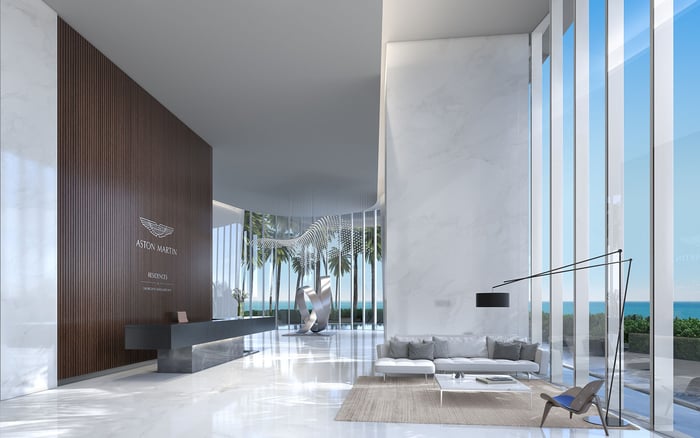
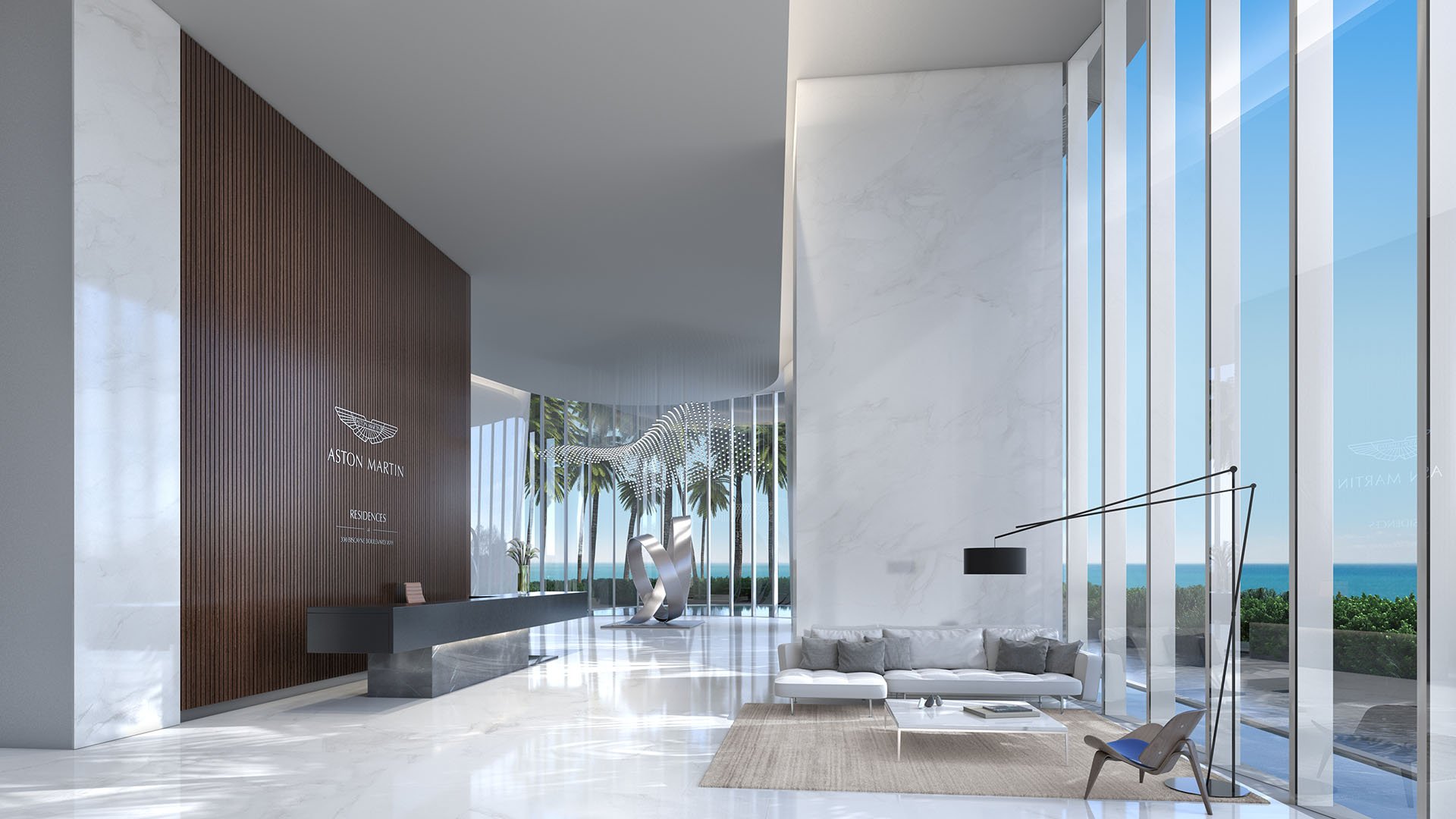
For buyers considering Aston Martin Residences Downtown Miami, that distinction belongs in acquisition planning. A residential identity does not establish who may enter an absent owner's home, authorize work, or restore access after a storm. Those answers require property-specific confirmation.
Hurricane season runs June 1 through November 30. Preparation should be complete before the season begins, with additional actions as a storm approaches. A family returning to Houston before summer should therefore close the residence with hurricane readiness addressed, rather than defer it to a later visit.
A proposed maintenance calendar can follow four practical milestones: before arrival, before departure, before June, and after a significant weather event. Between those milestones, agree on an inspection cadence with the property manager, service providers, and insurer. No universal monthly inspection requirement is established here; frequency should reflect the home and its obligations.
Before arrival, ask the designated representative to verify agreed service settings, inspect for visible leaks, review outstanding work, and confirm that access authorizations remain current. Before departure, document the residence's condition, remove perishables, review terrace contents, and confirm the next inspection and mail arrangements. These are recommended household controls, not municipal mandates.
At Casa Bella by B&B Italia Downtown Miami, as with any residence under consideration, the buyer's questions should cover service access, contractor approvals, and boundaries of responsibility. The same discipline applies when comparing Downtown Miami with nearby Brickell: verify the individual property rather than treating the neighborhood as an operating specification.
A storm plan should establish who decides, who acts, and who steps in if the primary representative is unavailable. For a family office coordinating from Houston, appoint a primary local representative and a backup, with contact details accessible to the household and relevant building personnel.
Define the actions each person may authorize. Routine preparation, urgent protective work, and discretionary repairs need not follow the same approval process. Establish spending limits privately, with counsel and insurance advisers where appropriate; no universal dollar threshold should be assumed. Specify how approvals, invoices, photographs, and exceptions will be recorded.
Align action triggers with official alerts and building instructions. Exposed outdoor furniture, materials, and similar loose objects should be secured during a severe-weather advisory affecting Miami-Dade County. An already authorized protective action should not depend on the owner's ability to answer a call.
Window and door guidance includes county-approved shutters or 5/8-inch plywood; tape is not an effective substitute. For a condominium, confirm the approved protection method and who may perform the work. A generic household instruction does not establish permission to alter a building's exterior.
For a buyer evaluating One Thousand Museum Downtown Miami, the operating discussion should be as specific as the residence selection. Request written clarification of emergency access, elevator procedures, garage restrictions, vendor admission, and any backup-power arrangements relevant to the household. These are diligence questions, not assertions about the property's capabilities.
Separate owner duties from association duties. Ask who handles exterior protection, common-area recovery, and communications, then have the insurance adviser review how the household's coverage fits with the association's arrangements. A family-office authorization cannot override building restrictions or emergency safety instructions.
Maintain a controlled access register identifying approved people, their permissions, and the process for withdrawing access. Keep keys, credentials, and contractor appointments accountable as staffing changes. The aim is continuity without unrestricted entry.
Properties near coastal areas, the Miami River, and canals are particularly prone to flooding. Special Flood Hazard Area information can support an address-specific assessment. Downtown Miami is not, by itself, a flood-risk classification, and a Houston-to-Miami move is not evidence that one residence is safer than the other.
Standard homeowners insurance does not cover flood damage; separate flood insurance is needed for that coverage. Ask the insurance adviser to review the proposed residence and explain applicable coverage, exclusions, and responsibilities. Do not infer protection from a high floor, a building name, or an association policy.
When evaluating Waldorf Astoria Residences Downtown Miami, keep this review separate from lifestyle considerations. The relevant questions concern the address, policy language, and documented building arrangements-not assumptions attached to branding.
Decide which address should receive financial, legal, insurance, and routine household correspondence during each occupancy period. One proposed family-office control is to designate an accountable recipient for sensitive mail and confirm address changes directly with the relevant sender.
Premium Forwarding Service Residential packages most mail locally and sends it weekly by Priority Mail to a temporary address. It carries a one-time enrollment fee and a weekly shipment fee. Weekly consolidation is not an immediate-delivery solution for time-sensitive documents.
Under applicable forwarding rules, Priority Mail Express, Priority Mail, and First-Class Mail are forwarded at no charge for one year. That arrangement is distinct from the paid premium service. Confirm the appropriate option, dates, and mail-class treatment before departure; do not assume every item follows the same rules.
Maintain an emergency kit, a household communication plan, evacuation-route awareness, and emergency-alert enrollment. Water supplies should include at least one gallon per person per day for three to seven days. Photograph the interior and exterior before a storm to create documentation an insurer may request.
Afterward, arrange an inspection when safe and permitted, including checks for gas leaks where applicable. Keep personnel away from dangerous conditions. Use 311 for shelter and evacuation-route information, 1-800-468-8243 for dangerous electrical conditions such as downed power lines, and 911 for life-threatening emergencies.
The final handover should record the residence's condition, unresolved work, access status, and readiness for occupancy. A documented reopening decision is more useful than a general assurance that everything looks fine.
For a considered approach to selecting a Miami residence and framing ownership priorities, explore MILLION.
If branded residences are on your mind — as a home or as an allocation — we would be glad to share what we are seeing, privately.
Begin a quiet conversationHurricane season runs June 1 through November 30. Complete preparation before the season begins, then take additional protective steps as a storm approaches.
There is no universal monthly inspection requirement established here. Set a property-specific cadence with the manager, service providers, and insurer.
A proposed family-office approach is to appoint a primary local representative and a backup. Document permitted actions, private spending limits, and approval procedures.
No operating plan should assume that private authorization overrides building restrictions. Confirm emergency access and contractor permissions with building management.
Request written clarification of any backup-power arrangements relevant to the household, along with elevator and access procedures. Do not assume capabilities from a building's branding.
Standard homeowners insurance does not cover flood damage; separate flood insurance is needed. Have an insurance adviser review the residence and applicable responsibility boundaries.
Plan for at least one gallon per person per day for three to seven days. Include water within a broader emergency kit and household communication plan.
It packages most mail locally and sends it weekly by Priority Mail to a temporary address. A one-time enrollment fee and a weekly shipment fee apply.
No. Under applicable forwarding rules, Priority Mail Express, Priority Mail, and First-Class Mail are forwarded at no charge for one year, distinct from the paid premium service.
Arrange an inspection when safe and permitted, including checks for gas leaks where applicable. Document unresolved work, access status, and readiness for occupancy before reopening the residence.