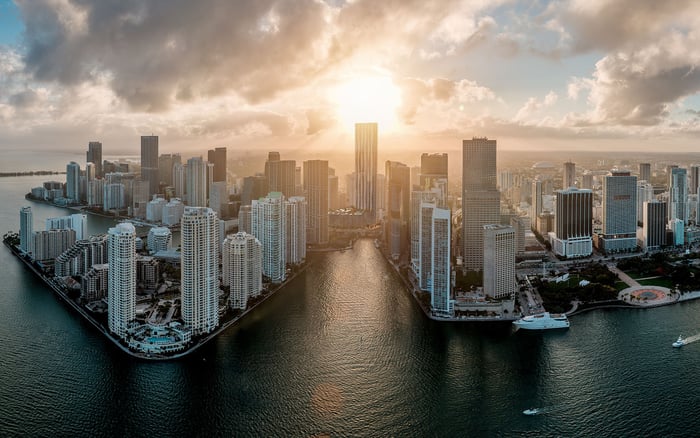
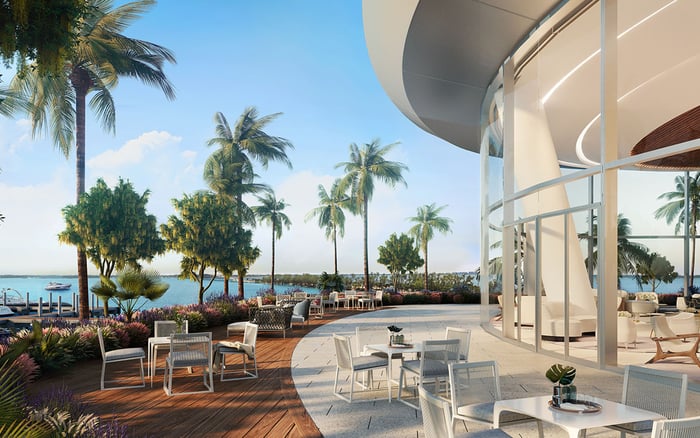
A discreet buyer-focused comparison of 888 Brickell by Dolce & Gabbana and The Lincoln Coconut Grove, centered on use rights, waterfront expectations, dockmaster questions, and insurance review rather than surface-level luxury cues.
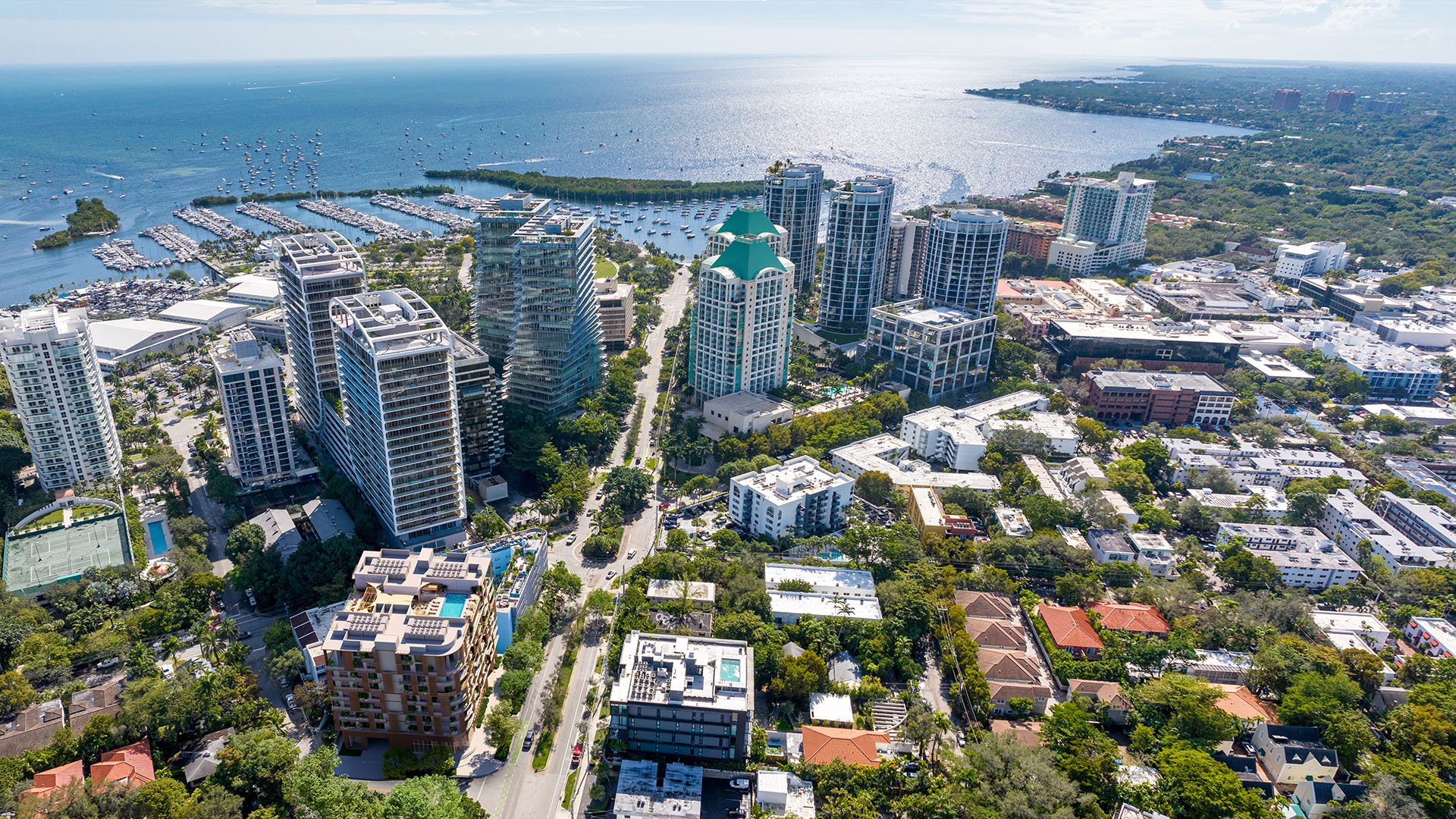
The comparison between 888 Brickell by Dolce & Gabbana and The Lincoln Coconut Grove is not simply a matter of taste. It is a question of how a buyer intends to live, what rights are actually conveyed, which services are formalized, and how clearly the ownership structure addresses risk.
At the ultra-premium level, architecture and branding create the first impression. Lasting value, however, often sits in the documents. For 888 Brickell by Dolce & Gabbana, the buyer is considering a Brickell address associated with vertical city living, design identity, and a more metropolitan daily rhythm. For The Lincoln Coconut Grove, the buyer is evaluating a Coconut Grove proposition where neighborhood texture, proximity to the water, and residential calm can carry equal weight.
The practical buyer does not ask which name sounds more compelling. The better question is: which ownership framework is more legible for the way the buyer expects to use the residence?
In South Florida, water-view appeal can blur the distinction between scenery and entitlement. A residence may feel connected to the water without conveying specific rights to use waterfront facilities, docks, slips, launches, or managed marine services. This distinction matters especially when a buyer is comparing a branded urban tower with a Grove-oriented residential setting.
The first diligence point is terminology. Marketing language can describe a lifestyle; governing documents define rights. Buyers should ask whether any waterfront access is private, shared, licensed, revocable, deeded, assigned, or subject to separate agreements. If the word waterfront is part of the emotional draw, the legal meaning should be understood before contract confidence sets in.
For a Brickell buyer, waterfront value may be evaluated through skyline orientation, bay proximity, and the convenience of a financial district lifestyle. For a Coconut Grove buyer, the conversation may become more granular: how close the residence is to marine activity, what services are available nearby, and whether any water-related privileges are actually part of ownership.
This is where the comparison becomes less about glamour and more about control.
Dockmaster service is a phrase that deserves careful unpacking. A buyer should not treat it as a general amenity label. The material questions are operational: who employs or contracts the dockmaster, what duties are included, whether service is daily or limited, how reservations are managed, and whether any use is restricted by vessel size, timing, insurance, guest access, or association approval.
If a dockmaster relationship exists within or near a residential environment, buyers should ask whether it is part of the association budget, a separate club-style cost, a third-party service, or an optional arrangement. The answers can affect both convenience and expense. They can also shape resale expectations, because future buyers will ask the same questions with equal intensity.
For 888 Brickell by Dolce & Gabbana, the central service question may be broader: how does the building define hospitality, privacy, guest flow, and urban arrival? For The Lincoln Coconut Grove, the buyer may place more emphasis on how neighborhood access, low-key movement, and potential marine-adjacent routines are organized. Neither framework is inherently superior. They are different ownership cultures.
In South Florida, insurance clarity has become part of the luxury conversation. Sophisticated buyers no longer treat it as an administrative item handled at the end of the process. They want to understand association coverage, individual owner responsibility, wind considerations, flood-zone implications, deductibles, reserves, exclusions, and how claims history may affect future costs.
The relevant comparison is not whether one project feels more polished. It is whether the buyer can read the risk architecture with confidence. New-construction buyers, in particular, should examine how insurance responsibilities are divided between the association and the unit owner, how common elements are defined, and what additional policies may be needed for interiors, improvements, contents, liability, and temporary displacement.
For a residence in Brickell, the review may focus on high-rise systems, common-area exposure, vertical infrastructure, and the clarity of association-level coverage. For a residence in Coconut Grove, a buyer may also think about tree canopy, neighborhood drainage, marine proximity, and the specific boundaries between association assets and private obligations. Again, the issue is not fear. It is visibility.
Clear insurance language is not a secondary detail. It is a form of luxury because it reduces uncertainty.
The lifestyle distinction remains meaningful. Brickell is polished, vertical, efficient, and internationally legible. It suits buyers who want immediate urban energy, dining density, business access, and the sensation of living within Miami’s most recognizable financial district. 888 Brickell by Dolce & Gabbana belongs in that mental category: a residence considered through the lens of branded design, arrival sequence, service expectation, and city presence.
Coconut Grove is different in mood. It tends to reward buyers who value shade, privacy, neighborhood continuity, parks, marinas, and a more residential relationship with the bay. The Lincoln Coconut Grove enters the conversation for buyers who are not simply purchasing square footage, but a pattern of days. Morning walks, quieter evenings, and a softer edge to Miami life may matter as much as finishes.
This is why the right comparison is not brand versus boutique, or skyline versus greenery. The question is whether the buyer’s daily life depends more on urban immediacy or neighborhood atmosphere.
A buyer who spends most weekdays between meetings, restaurants, private elevators, and airport timing may find the Brickell proposition more intuitive. A buyer who imagines weekends shaped by the Grove’s pace, bay proximity, and lower-key rituals may read The Lincoln Coconut Grove differently.
Before a buyer weighs price, premium, or perceived scarcity, the document package should answer several practical questions. What exactly is included in ownership? Which amenities are guaranteed, and which are subject to change? Are any waterfront or marina-related privileges tied to third parties? How are guests handled? What are the rules for leasing, pets, renovations, deliveries, staff, and service providers?
The association budget also deserves a close read. A beautiful amenity can become a point of friction if its operating cost, staffing model, or maintenance responsibility is vague. Similarly, a boat-slip conversation should never be reduced to availability alone. Assignment, transferability, waiting lists, vessel restrictions, insurance requirements, and separate fees can all matter.
Resale should be considered through the same lens. Future buyers will not only respond to the name on the building or the feel of the neighborhood. They will ask whether rights are clean, services are dependable, and insurance responsibilities are understandable. The properties that age well in the luxury market are often those that make ownership feel controlled.
The strongest buyer approach is to separate emotion into three columns: experience, entitlement, and exposure. Experience covers design, service, neighborhood, view, privacy, arrival, and daily pleasure. Entitlement covers the legal rights attached to the residence, especially around waterfront use, amenities, and common elements. Exposure covers insurance, assessments, operating costs, and future uncertainty.
888 Brickell by Dolce & Gabbana may speak first through design and metropolitan identity. The Lincoln Coconut Grove may speak first through neighborhood and lifestyle texture. The buyer’s task is to test both through the same disciplined framework.
If the primary motivation is branded urban living with a strong Brickell identity, the due diligence should confirm that the operational structure supports the level of service implied by the purchase. If the primary motivation is Grove living with water-oriented expectations, the diligence should confirm exactly what is owned, what is accessible, and what is merely nearby.
Luxury buyers do not need more adjectives. They need clarity. Waterfront rights, dockmaster service, and insurance structure are not small print. They are part of the asset.
Is 888 Brickell by Dolce & Gabbana a better fit for urban buyers? It may suit buyers prioritizing Brickell energy, branded design, and city convenience, subject to full review of the ownership documents.
Is The Lincoln Coconut Grove more lifestyle-driven? It may appeal to buyers who value Coconut Grove atmosphere, neighborhood rhythm, and proximity to bay-oriented living.
Are water views the same as waterfront rights? No. A view is visual enjoyment, while rights must be defined in governing documents or binding agreements.
What should I ask about dockmaster service? Ask who provides it, what duties are included, when service is available, and whether extra fees or restrictions apply.
Why is insurance clarity so important in South Florida? Insurance affects carrying cost, financing comfort, risk allocation, and long-term ownership confidence.
Should buyers review association documents before closing? Yes. The documents define use rights, rules, budgets, insurance responsibilities, and owner obligations.
Can waterfront access be separate from condo ownership? It can be. Access may be licensed, assigned, shared, optional, or governed by a separate arrangement.
Does branding replace legal diligence? No. Brand identity may shape experience, but legal documents determine ownership rights and responsibilities.
Which is more important: amenities or operating clarity? Both matter, but operating clarity often determines whether amenities remain valuable over time.
How should a buyer compare these two projects? Compare lifestyle first, then verify entitlements, service structure, insurance obligations, and total carrying cost.
For a discreet conversation and a curated building-by-building shortlist, connect with MILLION.
If branded residences are on your mind — as a home or as an allocation — we would be glad to share what we are seeing, privately.
Begin a quiet conversation