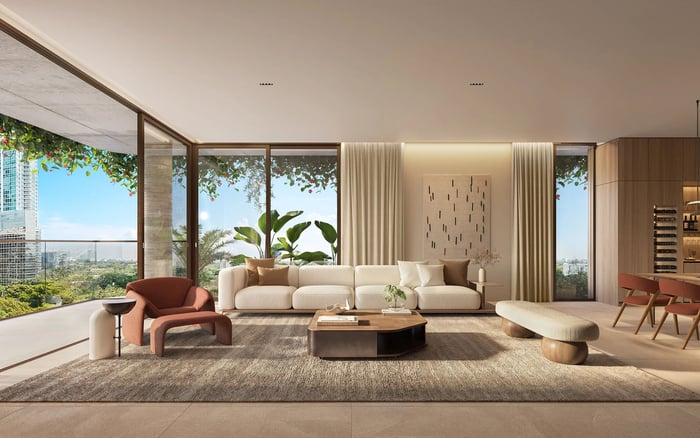
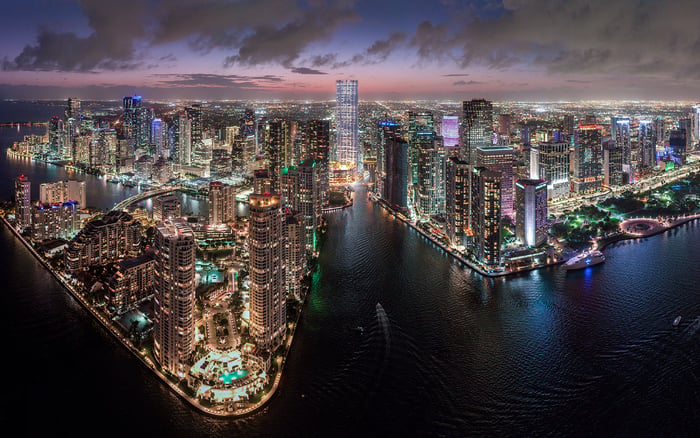
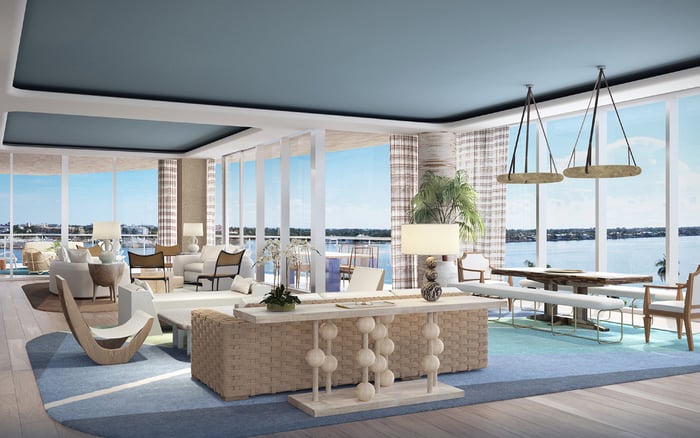
A buyer-focused analysis of 888 Brickell by Dolce & Gabbana, examining how lock-and-leave convenience, fashion-house branding, and cash certainty may shape negotiation leverage in Miami’s urban luxury-condo market.
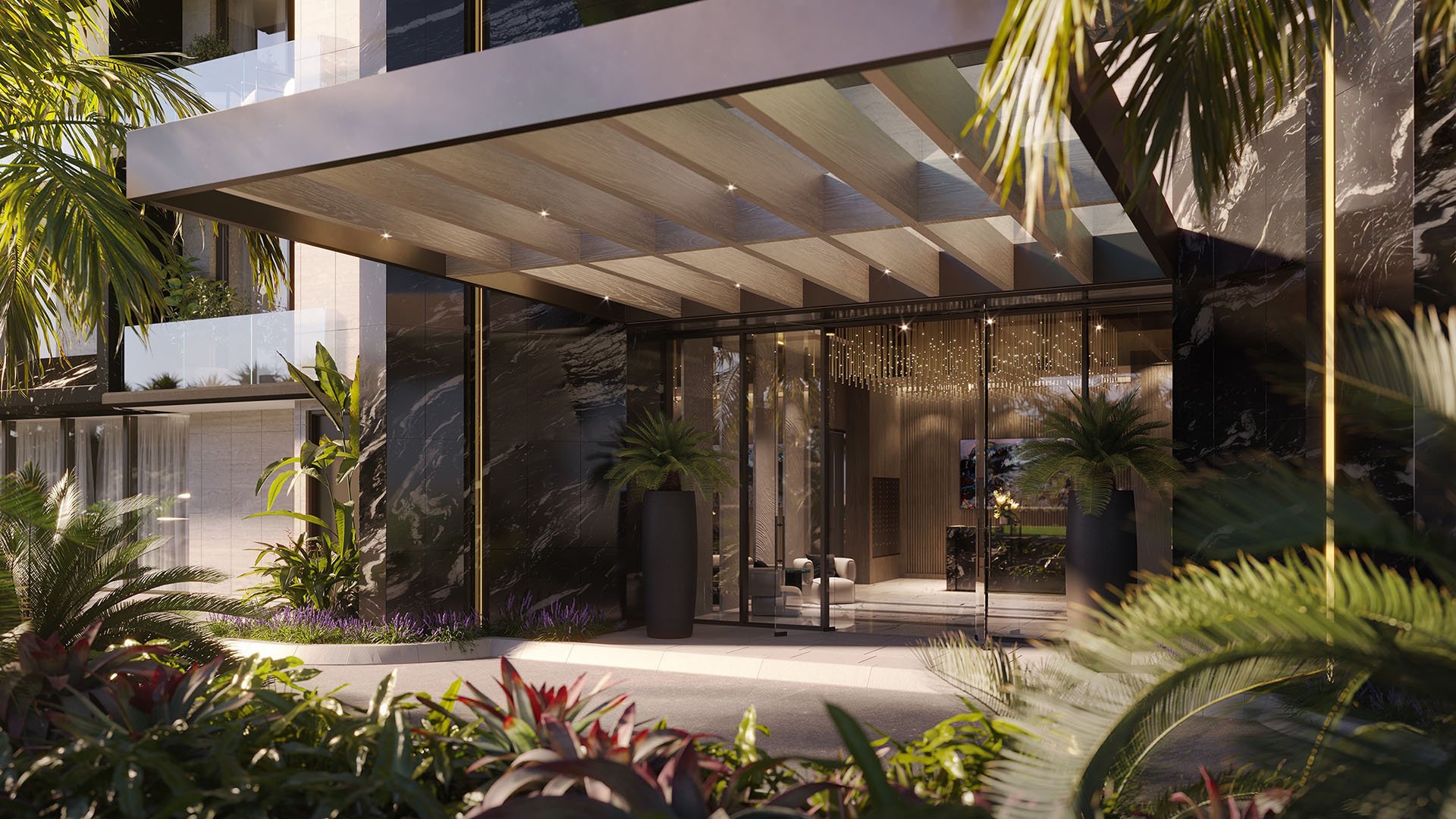
888 Brickell by Dolce & Gabbana enters the Miami conversation as more than another luxury condominium. It is a branded-residence proposition in which fashion-house identity is part of the value architecture. For a buyer, that distinction matters. The purchase is not only about location, finishes, or skyline views. It is about whether the Dolce & Gabbana name translates into a daily ownership experience that feels materially easier, more distinctive, and more durable in a resale conversation.
That is why the lock-and-leave question sits at the center of any serious evaluation. In Brickell, a buyer may not be seeking the resort cadence of a beach or island address. The appeal is urban access, financial-district proximity, restaurants, services, and the ability to arrive in Miami without the operational drag of a traditional residence. For international, finance, and executive buyers, intermittent use can be a feature rather than a compromise.
The negotiation question follows naturally. If the developer has brand-driven pricing power, can a qualified cash buyer convert certainty of closing into leverage? The answer is rarely simple. In a high-end presale or developer-controlled environment, cash may not automatically produce a lower price. It may, however, sharpen the conversation around timing, terms, deposits, upgrades, parking, storage, closing costs, or other points of structure.
Brickell is not trying to be Miami Beach. Its value proposition is more vertical, more financial, and more metropolitan. The address-level identity of 888 Brickell places the project inside Miami’s central luxury-condo market, where convenience and access often matter as much as resort romance. That context is important because it changes how an affluent buyer should underwrite the purchase.
In a waterfront resort building, the emotional anchor may be sand, horizon, and leisure. In Brickell, the anchor is command of the city. A buyer may want a polished residence for business travel, a Miami base for seasonal stays, or a discreet pied-à-terre that does not require household staff. The more intermittent the use pattern, the more important managed services, security, and low-friction arrival become.
This is where 888 Brickell by Dolce & Gabbana must be judged carefully. The brand can set expectations, but ownership quality is proven in execution. Does the building make arrival, departure, privacy, maintenance, and service coordination feel effortless? Does it reduce the mental load of owning in Miami, or does it simply place a branded wrapper around a conventional luxury condominium?
For a buyer weighing Investment, Second-home, Pre-construction, and New-construction priorities, those questions are not cosmetic. They go directly to utility, liquidity, and the premium a buyer is willing to defend.
Cash is powerful because it removes uncertainty. A seller or developer does not need to evaluate financing risk, appraisal complications, or delayed loan conditions in the same way. In theory, that certainty can become a bargaining chip. In practice, branded projects with strong demand may prefer to preserve headline pricing, especially when the brand itself is central to the project’s market position.
That does not mean a cash buyer has no leverage. It means the leverage may appear in more discreet forms. A sophisticated buyer should think in terms of total economics rather than simply asking for a discount. If price flexibility is limited, the conversation may shift to contract terms, payment schedule, included finishes, amenity-related costs, or other negotiated details that improve the net position without visibly repricing the residence.
The most effective cash-buyer posture is calm, credible, and specific. The buyer should be prepared to close, but also prepared to walk. The strength is not in demanding a concession. It is in offering something valuable: speed, certainty, and reduced friction in exchange for a transaction that better fits the buyer’s risk and ownership profile.
In Brickell, that posture can matter because the buyer pool is sophisticated. Many prospects understand global branded real estate, compare Miami against other financial and lifestyle cities, and view liquidity as part of lifestyle strategy. A cash buyer who understands both the brand premium and the underlying market can negotiate with more precision.
The Dolce & Gabbana identity gives 888 Brickell a clear narrative. Fashion-house branding can signal design scarcity, cultural recognition, and a lifestyle language that differentiates the building from a conventional tower. For certain buyers, that is meaningful. It creates a sense of authorship, especially in a market where luxury inventory can sometimes feel visually interchangeable.
But the buyer should ask what, exactly, the premium is buying. Is it a design environment that feels genuinely rare? Is it a service identity that will remain legible after closing? Is it a resale differentiator that future buyers will understand immediately? Or is it primarily a badge that looks compelling in marketing but still must compete on the fundamentals of location, plan, quality, and building management?
The best answer may combine all of the above, but only if the branded promise is operational as well as aesthetic. For a lock-and-leave buyer, beauty alone is not enough. The residence must function as an easy Miami base. The brand may open the door emotionally; the ownership experience must keep it open rationally.
This is particularly important in South Florida’s broader branded-residence boom. Fashion and hospitality names can justify premium pricing when they create a differentiated experience. They become more vulnerable when buyers perceive the brand as decoration rather than substance.
Before a cash buyer tests leverage, the buyer should define the ownership use case. Will the residence be occupied monthly, seasonally, or only around business and cultural trips? Will family members use it independently? Does the buyer expect staff to coordinate visits, or should the building absorb much of that responsibility? These practical questions reveal whether the project fits the buyer’s life.
Next, the buyer should separate building prestige from building convenience. A striking lobby, recognized brand, and central address can create first-impression value. Lock-and-leave quality is quieter. It lives in security protocols, package handling, arrival experience, housekeeping coordination, maintenance responsiveness, and the confidence that the residence will feel ready when the owner arrives.
The cash-buyer negotiation should then be framed around fit. If the buyer sees 888 Brickell as a long-term Miami base, the emphasis may be on securing the right residence and preserving future desirability. If the buyer sees it as a flexible pied-à-terre, the negotiation may focus more on carrying simplicity, service reliability, and total acquisition economics.
In either case, the buyer should avoid treating cash as a magic word. The more persuasive approach is to present certainty as part of a complete offer: clean diligence, clear timing, low execution risk, and reasonable requests that respect the developer’s desire to protect brand and pricing integrity.
888 Brickell by Dolce & Gabbana is best understood as a test of Miami’s next branded-residence chapter. It sits in Brickell, not on a beach, and its value story is tied to urban luxury, fashion-house identity, and a lower-friction ownership promise for buyers who may not live in Miami full time.
For cash buyers, the opportunity is not necessarily to force a dramatic discount. It is to negotiate intelligently within the tension between brand-driven pricing power and liquidity-driven certainty. The strongest buyers will look past the label without dismissing it. They will ask whether the building can make Miami ownership feel effortless, whether the Dolce & Gabbana identity is likely to remain meaningful, and whether the final terms reflect the value of a clean, certain closing.
That is the real leverage. Not cash alone, but cash paired with discipline.
What is the main buyer question at 888 Brickell by Dolce & Gabbana? The central question is whether the project functions as a true lock-and-leave Miami residence or primarily as a branded luxury condo.
Why does the Brickell location matter? Brickell positions the project in Miami’s urban luxury core, appealing to buyers who value business access, city amenities, and convenience.
Does Dolce & Gabbana branding automatically justify a premium? Not automatically. The premium is strongest when the brand supports design scarcity, service identity, and long-term differentiation.
Can a cash buyer negotiate a lower price? Cash may create leverage, but a lower price is not guaranteed. The strongest negotiation may involve terms rather than headline discounting.
What concessions might matter besides price? Buyers may consider timing, contract structure, included features, carrying-cost considerations, or other total-economic details.
Is 888 Brickell better suited to full-time or part-time owners? The Brickell setting and branded urban concept may be especially relevant to part-time owners seeking a polished Miami base.
What should buyers verify before committing? Buyers should examine service expectations, maintenance support, privacy, arrival experience, and how easily the residence can be used intermittently.
How should investors think about the brand? Investors should view the brand as one part of the thesis, alongside location, execution, buyer demand, and future resale clarity.
Why is lock-and-leave ownership so important for affluent buyers? It reduces the burden of managing a second residence and helps make short, frequent, or seasonal stays feel seamless.
What is the smartest negotiation posture for a cash buyer? The smartest posture is credible and disciplined: offer certainty of closing while asking for terms that improve total value.
For a tailored shortlist and next-step guidance, connect with MILLION.
If branded residences are on your mind — as a home or as an allocation — we would be glad to share what we are seeing, privately.
Begin a quiet conversation