A buyer-oriented comparison framework for evaluating 619 Residences by Foster + Partners + Nobu Hospitality against The Residences at Mandarin Oriental, Miami when the true priority is marina usability, vessel draft, and guest-vessel access.
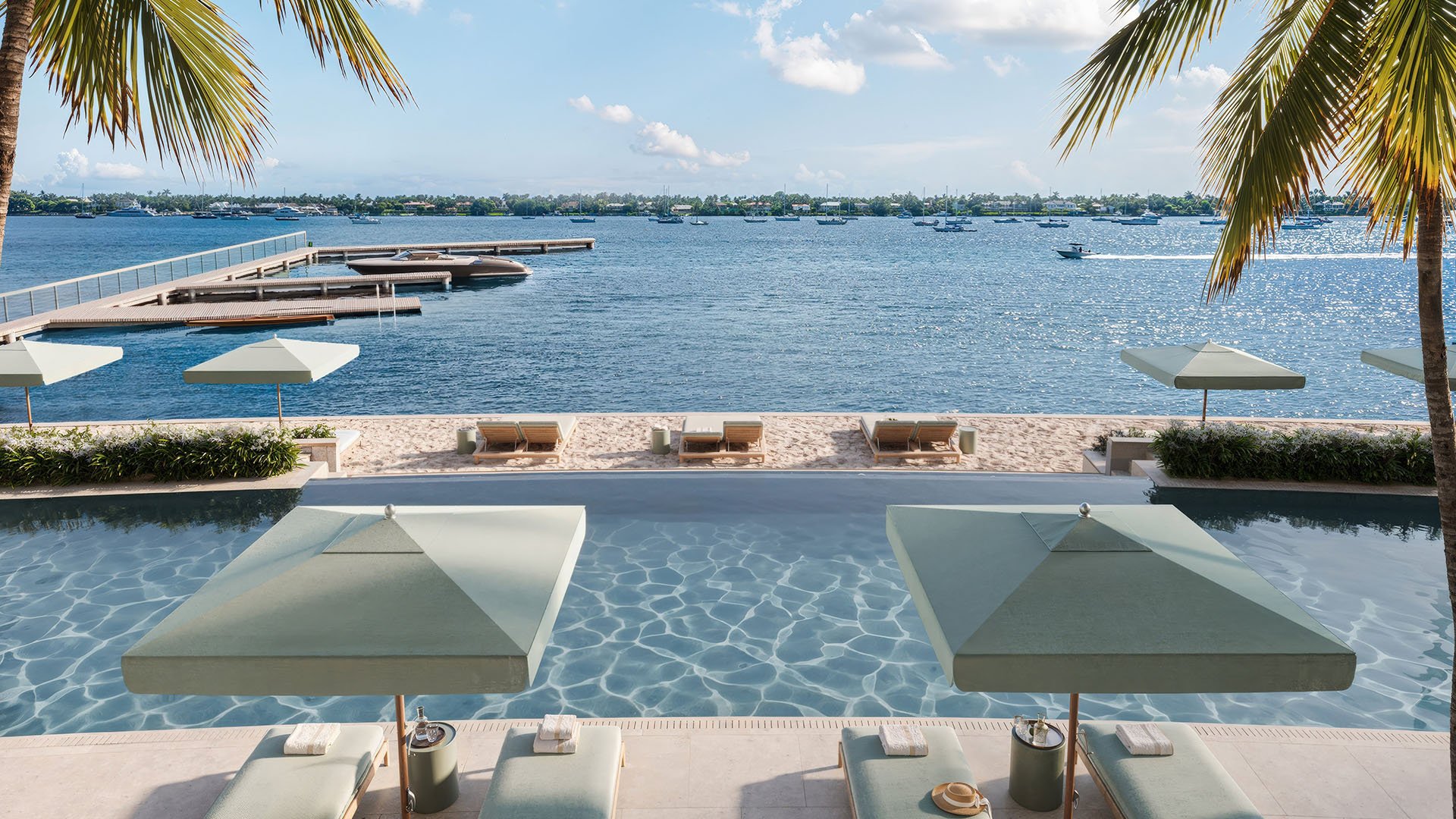
For a waterfront buyer comparing 619 Residences by Foster + Partners + Nobu Hospitality with The Residences at Mandarin Oriental, Miami, the decisive question may not be architecture, service culture, or restaurant cachet. It is whether the residence supports the way the buyer actually uses the water.
That requires shifting the lens from brochure language to enforceable access. Marina rules, vessel draft, beam restrictions, insurance standards, guest-vessel permissions, boarding procedures, tender policies, and after-hours operations can matter more than a dramatic arrival sequence. In Miami’s ultra-prime market, a Waterview residence may photograph beautifully, but the real test is whether the waterfront operates with the precision an owner expects.
The short answer is this: the better choice is the project whose legal documents, marina operating rules, and physical marine conditions align most closely with the buyer’s vessel and guest-use pattern. Without that documentation, neither name should be treated as the automatic winner.
A marina-adjacent residence can create a powerful impression, but access to the water is not always the same as a deeded, transferable, or priority right to use a slip. Buyers should distinguish among ownership, license, lease, priority reservation, concierge-arranged access, and nearby third-party marina relationships.
For a serious boater, a Boat-slip is not simply an amenity checkbox. It is a practical asset shaped by length, beam, draft, shore power, pump-out access, fueling logistics, fendering, wake exposure, security protocol, crew access, and the right to assign or transfer use upon resale. If a residence cannot provide clarity on those points, its waterfront value may be more atmospheric than operational.
This is especially important for New-construction residences, where the final marina operating regime may be shaped by association documents, governmental approvals, insurance requirements, and management decisions. A buyer should review the governing materials before treating marine access as part of the purchase rationale.
Draft is one of the least glamorous and most decisive variables in waterfront due diligence. A vessel that cannot safely access the slip at typical tides, or that faces operational limits under certain conditions, turns a prestigious waterfront address into a compromised boating solution.
Buyers should verify the maximum permitted and practical draft, not just the advertised slip length. They should also ask how depth is measured, whether silting is monitored, who is responsible for maintenance, whether dredging is permitted or planned, and whether approach channels create additional constraints. A deep-water promise is only useful if it applies to the full route from open water to berth.
For larger yachts, the conversation should also include beam, air draft, bridge clearance, turning basin, current, wake, maneuvering room, and captain comfort. These issues are not lifestyle trivia. They determine whether the property supports spontaneous use, evening arrivals, and stress-free departures with family or guests aboard.
Many buyers assume that if an owner can access a marina, invited guests can do the same. That assumption deserves careful review. Guest-vessel access may be limited by security rules, advance notice requirements, temporary docking time, liability insurance, crew identification, commercial-use restrictions, or event policies.
This matters for buyers who entertain by water. A residence may work beautifully for an owner’s own vessel yet prove restrictive for visiting friends, chartered tenders, chase boats, or yacht-to-residence transfers. In the highest tier of Miami living, the ability to receive guests discreetly and predictably can be part of the property’s social architecture.
The key is to separate owner privileges from visitor privileges. Ask whether guests can dock temporarily, whether overnight guest vessels are allowed, whether fees apply, whether guest access can be denied during peak periods, and whether the rules change for catered events, holidays, or high-security periods.
619 Residences by Foster + Partners + Nobu Hospitality will naturally appeal to buyers drawn to a design-led and hospitality-inflected concept. The Foster + Partners association suggests an architectural conversation, while Nobu Hospitality evokes service, culinary culture, and a globally recognizable lifestyle identity. For a buyer whose boat is secondary to ambiance, that may carry meaningful weight.
The Residences at Mandarin Oriental, Miami carries a different kind of resonance, especially for buyers who associate the brand with disciplined service and a resort-residential cadence. For a waterfront owner, that service expectation should extend into arrivals, captains, guest screening, and marina coordination.
But for a Marina-focused buyer, the comparison should ultimately become documentary. Which project can confirm the rights in writing? Which can match the buyer’s vessel profile? Which can explain guest-vessel access without ambiguity? Which can show how marine operations will be governed over time? The winner is the residence that answers those questions with specificity.
Before choosing between these addresses, a buyer should prepare a vessel profile that includes length overall, beam, draft, height, shore-power needs, registration, insurance, crew requirements, and expected usage. That profile should be tested against the marina rules rather than discussed abstractly.
The review should include recorded documents, association rules, marina agreements, operating policies, insurance obligations, security protocols, transferability language, guest-vessel procedures, maintenance responsibilities, and any limits on commercial activity or charter-related use. If the buyer expects visiting vessels, that should be documented as a separate approval pathway.
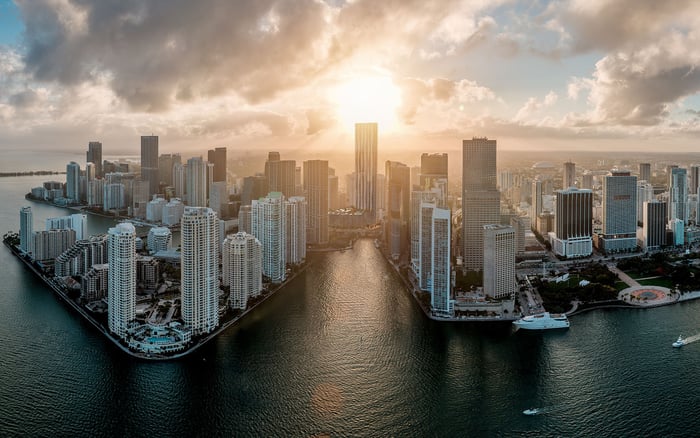
For Brickell and surrounding waterfront neighborhoods, convenience can be seductive. Yet proximity to dining, offices, and cultural life should not obscure the marine fundamentals. A short drive to the financial district is valuable; a vessel that can be boarded and used without friction may be more valuable still.
If the buyer’s primary concern is marina rules, draft, and guest-vessel access, the better project is not automatically the more famous hospitality name. It is the one that offers the clearest, most durable, and most practical marine rights for the buyer’s specific vessel and lifestyle.
A buyer with a modest vessel and occasional use may prioritize service, architecture, privacy, and arrival experience. A buyer with a larger yacht, professional captain, frequent visiting guests, or a preference for waterborne entertaining should treat marina documentation as a core purchase condition. In that scenario, uncertainty is a cost.
The most refined waterfront purchase is therefore not simply about owning near the water. It is about knowing exactly how the water can be used, by whom, under what rules, and with what level of discretion.
Which project is better for a serious boater? The better project is the one that confirms marina rights, vessel limits, and operating rules in writing for the buyer’s specific boat.
Is a Waterview residence the same as a boating residence? No. Waterview value is visual, while boating value depends on access rights, depth, slip rules, and day-to-day operations.
What does draft mean in this context? Draft is the depth of water a vessel needs to float safely, and it can determine whether marina access is practical.
Should guest-vessel access be reviewed separately? Yes. Owner docking rights do not always mean visiting vessels can dock, stay overnight, or arrive without prior approval.
Why does Boat-slip transferability matter? Transferability can affect resale value because the next buyer may want the same marine access attached to the residence.
Can hospitality branding guarantee better marina service? No. Branding may shape service expectations, but marina use depends on enforceable rules and operating procedures.
What should a captain review before purchase? A captain should review draft, beam, approach, turning room, shore power, security rules, and guest arrival procedures.
Does Brickell change the marina conversation? Brickell adds urban convenience, but buyers still need to verify vessel access, guest policies, and operational clarity.
Are New-construction waterfront projects riskier for boaters? They require careful review because final rules, association procedures, and operating practices may evolve before completion.
What is the best way to shortlist comparable options for touring? Start with location fit, delivery status, and daily lifestyle priorities, then compare stacks and elevations to validate views and privacy.
For a tailored shortlist and next-step guidance, connect with MILLION.
If branded residences are on your mind — as a home or as an allocation — we would be glad to share what we are seeing, privately.
Begin a quiet conversation