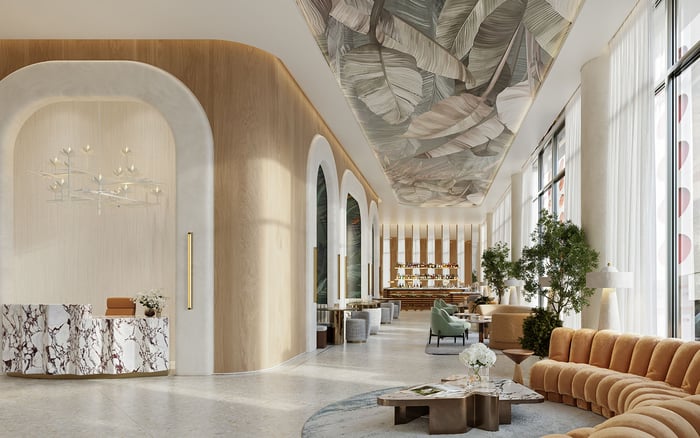
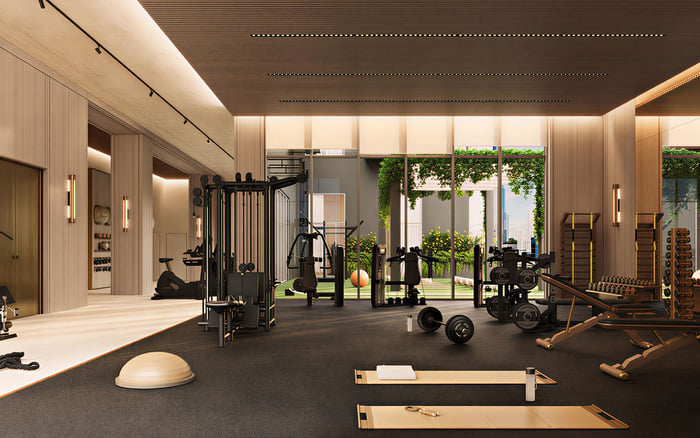
A buyer-focused comparison of daily ownership at 2200 Brickell, Cipriani Residences Brickell, and Kempinski Residences Miami Design District, centered on rhythm, privacy, service style, and neighborhood fit.
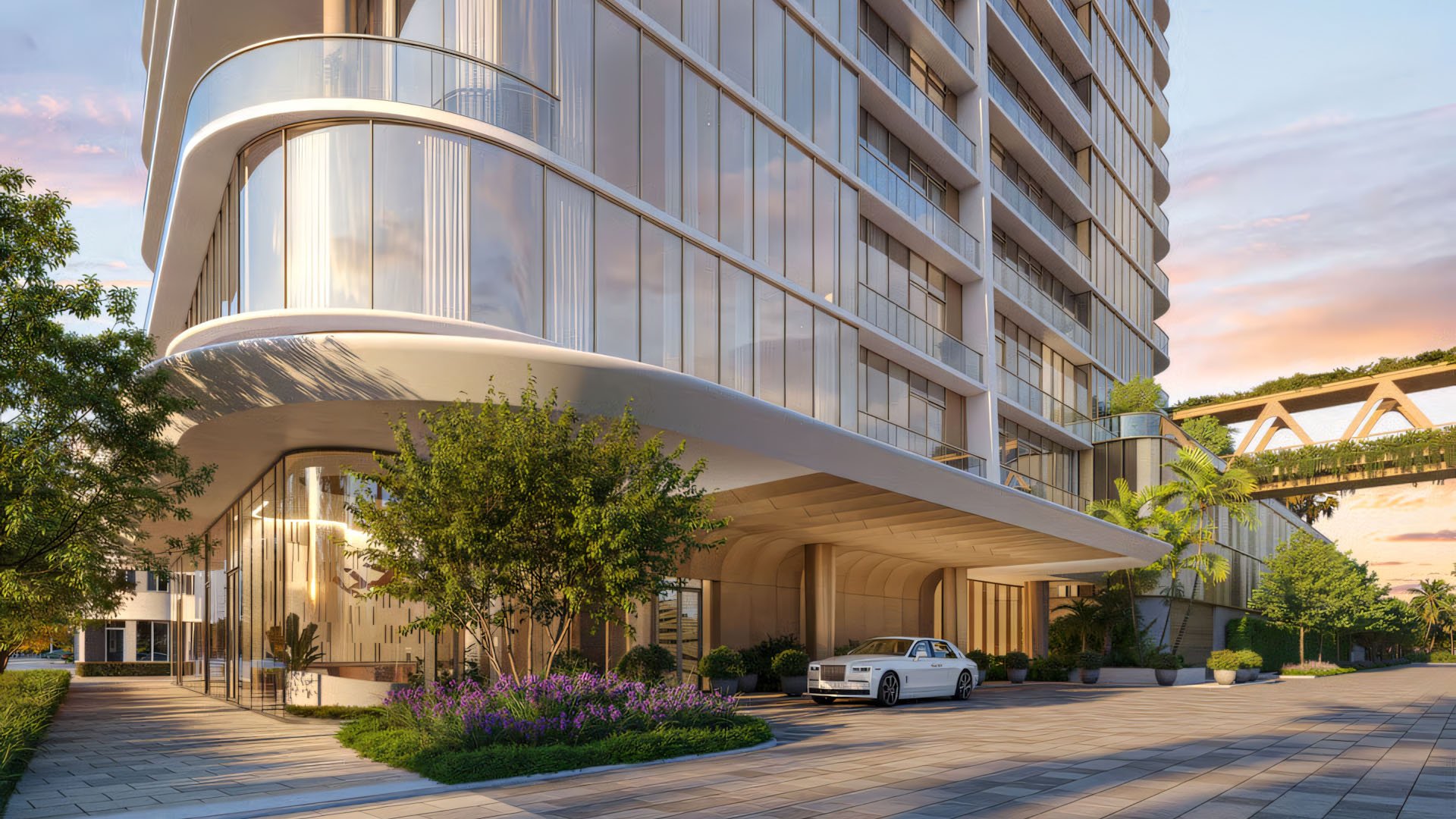
For buyers comparing 2200 Brickell, Cipriani Residences Brickell, and Kempinski Residences Miami Design District, the decision is less about choosing one definition of luxury than selecting a daily operating system. Each name carries a distinct promise. One points to a composed Brickell residential routine. One leans into a hospitality-inflected Brickell lifestyle. One places the owner in the orbit of the Miami Design District, where design, fashion, dining, and cultural energy shape the everyday backdrop.
That distinction matters because luxury ownership in Miami is no longer judged only by finishes, views, or a recognizable address. The more sophisticated question is how the building feels on an ordinary Tuesday morning, how the lobby manages guests, how easily the owner moves from private life to social life, and whether the residence supports a primary-home cadence, a pied-à-terre pattern, or a more flexible investment posture.
2200 Brickell is likely to resonate with buyers who want Brickell without making every day feel theatrically urban. The name itself is direct, address-forward, and residential in tone. That can be a meaningful signal for owners who value discretion over performance, especially in a market where many new towers compete through brand volume and amenity spectacle.
The daily ownership experience here is best understood through the lens of control. A buyer considering 2200 Brickell may be seeking a refined base that keeps them close to Brickell’s financial, dining, and social infrastructure while preserving a more personal rhythm at home. The question is not whether the building can impress guests. It is whether it can disappear gracefully into the owner’s routine.
For a new-construction buyer, that kind of restraint can be powerful. The most successful residences are not always the loudest. They are the ones that make morning departures, evening returns, deliveries, visitors, parking, pets, and quiet hours feel considered. In that sense, 2200 Brickell enters the conversation as the option for buyers who want Brickell access with a more residential emotional register.
Cipriani Residences Brickell enters the comparison differently. The Cipriani name gives the project an immediate lifestyle frame, and for many buyers, that is precisely the point. The expected ownership experience is not just a private residence in Brickell, but a branded environment where service, social polish, and an international hospitality sensibility become part of the daily language.
This can be especially compelling for owners who divide time between cities and want the building to feel intuitive from the moment they arrive. The attraction is not only convenience. It is continuity. A doorman who understands arrival patterns, a lobby that feels socially composed, and shared spaces that encourage a more cultivated rhythm can matter as much as the residence itself.
Cipriani Residences Brickell also speaks to the buyer who wants Brickell to feel cosmopolitan rather than purely corporate. The neighborhood’s density, restaurants, waterfront proximity, and energy can be assets when the building provides a calm counterpoint. In a branded residence, the separation between home and hospitality becomes intentionally blurred. Some owners love that. Others prefer a more independent residential identity. That preference is central to the comparison.
Kempinski Residences Miami Design District belongs to a different mental map. Rather than beginning with Brickell’s business and high-rise intensity, it begins with the Miami Design District and its emphasis on aesthetic culture. The daily routine may feel less about tower-to-office efficiency and more about living near galleries, luxury retail, restaurants, showrooms, and a design-driven streetscape.
For the right buyer, that can be deeply attractive. The Design District has a different pace from Brickell. It is more curated than hectic, more editorial than financial, and more connected to Miami’s creative economy. Kempinski Residences Miami Design District may therefore appeal to owners who want their residence to function as both home and cultural base.
The Kempinski name adds another layer: a hospitality-branded identity that may appeal to globally mobile owners. The essential buyer question is whether that brand language supports the way they actually live. Some owners want the predictability and polish associated with a hospitality name. Others want the neighborhood itself to be the main amenity. In this case, the strongest fit is likely the buyer who wants both a design-forward district and a branded residential setting.
The sharpest difference among the three properties is not necessarily the size of an amenity deck or the visual drama of a lobby. It is the level of social energy an owner wants to encounter each day. A building can be technically private yet socially active. Another can feel discreet even in a dense neighborhood. Another can make its brand experience visible from the first step inside.
2200 Brickell suggests an ownership profile that prioritizes residential ease and directness. Cipriani Residences Brickell suggests a more service-forward, hospitality-shaped experience. Kempinski Residences Miami Design District suggests a brand-conscious lifestyle connected to a neighborhood where design is not ornamental, but central to the daily identity.
Pre-construction conversations should therefore focus on questions that affect daily life, not just presentation. How will arrivals feel at peak hours? How formal is the service culture? How does the building separate residents, guests, vendors, and staff? What kind of owner community is being cultivated? These questions reveal more than a rendering ever can.
The 2200 Brickell buyer is likely drawn to balance. They want the benefits of Brickell without requiring a fully branded lifestyle to define the home. They may value simplicity, privacy, and an address that feels practical for long-term use.
The Cipriani Residences Brickell buyer is more likely to value recognition, hospitality, and a polished social environment. They may entertain often, travel frequently, or prefer a residence where service culture is central rather than incidental.
The Kempinski Residences Miami Design District buyer is likely motivated by aesthetic context and neighborhood identity. They may see home as part of a wider cultural pattern, where dining, design, fashion, and art are woven into the ownership experience.
None of these profiles is superior. The more relevant question is fit. A buyer who wants quiet ownership may not want the same daily experience as a buyer who wants brand-led service. A buyer who loves Brickell’s vertical momentum may not respond to the Design District’s curated street-level rhythm. Luxury becomes more satisfying when the building’s personality matches the owner’s habits.
Which residence feels most residential in tone? 2200 Brickell reads as the most address-forward and residentially composed of the three.
Which option is most associated with hospitality-style living? Cipriani Residences Brickell and Kempinski Residences Miami Design District both carry hospitality-branded identities, though in different neighborhood contexts.
Is Brickell better for a primary residence? Brickell can work well for primary owners who want urban access, dining, and daily convenience close to home.
Is the Miami Design District more lifestyle-driven? Yes, it generally appeals to buyers who want design, dining, retail, and cultural energy to shape the daily experience.
Should investors compare these properties differently than end users? Yes. Investment buyers should weigh brand recognition, neighborhood trajectory, service expectations, and long-term usability.
Does a branded residence always mean a better ownership experience? Not always. A brand can add service consistency and identity, but only if it matches the owner’s preferred lifestyle.
What should buyers ask before reserving a residence? Ask about service protocols, arrival experience, privacy, guest flow, building culture, and how amenities will operate day to day.
Which property suits a frequent traveler? A hospitality-branded residence may appeal to frequent travelers who value predictable service and an easy lock-and-leave routine.
Which choice is best for privacy? Privacy depends on building operations, entry sequence, amenity design, and resident density, not the name alone.
How should a buyer make the final decision? Walk through a normal week in your life and choose the residence whose service style, neighborhood, and mood best support it.
For a tailored shortlist and next-step guidance, connect with MILLION.
If branded residences are on your mind — as a home or as an allocation — we would be glad to share what we are seeing, privately.
Begin a quiet conversation