A buyer-oriented guide to evaluating dockmaster service, marina security, and guest vessel policies before purchasing a South Florida waterfront residence.

For South Florida buyers, the conversation around waterfront living often begins with the view. The more sophisticated conversation begins at the dock. A residence may offer exceptional architecture, a generous terrace, and a perfect line of sight across the water, yet the long-term ownership experience can hinge on quieter operational details: who receives the vessel, who watches the marina after dark, how guests arrive by boat, and what happens when the basin is full.
That is why marina diligence deserves the same attention as floor plans, reserves, valet operations, and private elevator access. In the ultra-premium market, the difference between a pleasing waterfront address and a truly seamless boating residence is often found in the rules, staffing model, and security culture behind the scenes.
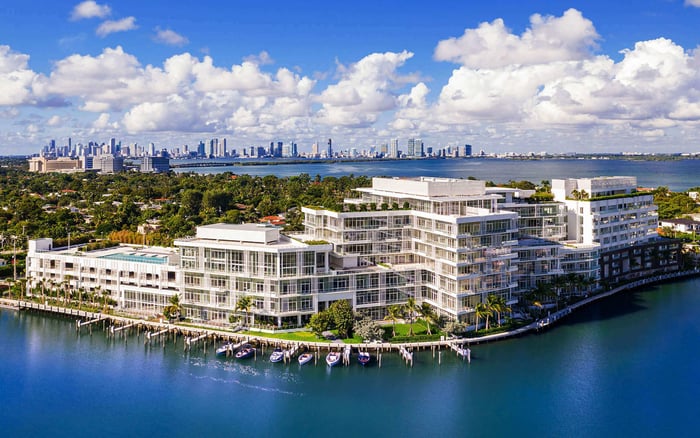
Buyers considering coastal residences from Fort Lauderdale to Bay Harbor Islands and Miami Beach should treat the marina program as part of the asset. The terms Marina and Boat-slip may sound straightforward, but in practice they can describe very different rights, responsibilities, and levels of service.
A dockmaster can be a defining luxury amenity, but the title alone is not enough. The essential question is scope. Does the dockmaster simply monitor dockage, or does the role include arrivals, departures, line handling, vendor coordination, incident response, storm preparation, and communication with residents?
The best comparison begins with a written description of duties. Ask whether service is available daily, seasonally, or by appointment. Clarify after-hours coverage and the process for urgent requests. A polished front desk cannot substitute for trained waterfront personnel when the residence is built around boating.
Also ask who the dockmaster reports to. In some buildings, marina operations sit under property management. In others, they may be tied to an association, a marina operator, or a separate vendor. That distinction matters because it can affect response times, accountability, and how quickly policies adapt to resident needs.
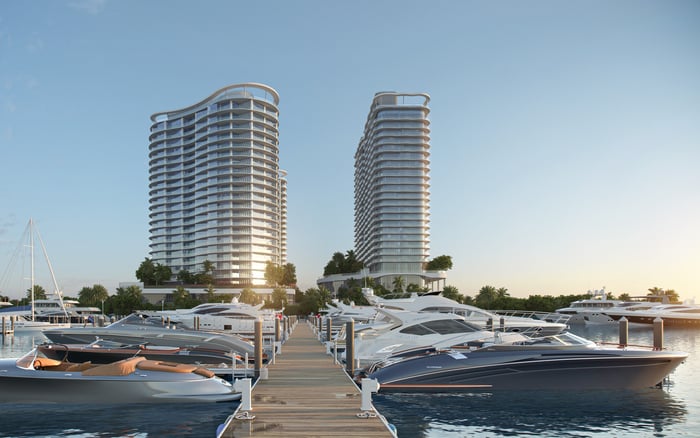
For buyers evaluating yachting-oriented locations such as St. Regis® Residences Bahia Mar Fort Lauderdale, the dockmaster question should be framed as part of daily livability, not as a decorative amenity line.
Luxury buyers are accustomed to reviewing lobby access, private elevator controls, valet procedures, and package protocols. Marina security deserves the same scrutiny. Water access creates a second front door, and in a true waterfront residence, that threshold should be managed with discipline.
Begin with access control. Ask how residents, crew, vendors, and guests enter the marina area. Determine whether gates, key fobs, staff checkpoints, or digital credentials are used. Then review visibility. Camera placement, lighting, and sightlines matter, especially at finger piers, fuel-adjacent areas, transient dockage points, and pedestrian approaches from the street or promenade.
The most important question is not whether the marina is secure in theory. It is who is watching, when they are watching, and what happens when something is unusual. A strong security plan includes escalation procedures, visitor logs, contractor controls, and coordination between marina personnel and the residential security team.
In Fort Lauderdale, where waterfront living is deeply tied to the boating calendar, buyers comparing residences such as Riva Residenze Fort Lauderdale should look beyond the romance of the water and focus on how the waterside perimeter is actually operated.
Guest vessel policies are among the most overlooked parts of marina diligence. They can shape family weekends, dinner arrivals, holiday gatherings, and the ease with which friends can meet by water. They can also determine whether a residence feels gracious or restrictive.
Ask whether guest vessels are allowed, and if so, how they are scheduled. Is advance notice required? Are there length, beam, draft, insurance, or time limits? Can a guest vessel remain overnight? Are holiday weekends treated differently? Who approves arrivals, and what happens if multiple residents request the same window?
The answers are not inherently good or bad. A strict guest policy may preserve privacy, reduce congestion, and protect residents from commercial-style traffic. A more flexible policy may better suit owners who entertain by water. The point is alignment. The rules should match the way the owner intends to live.
For Bay Harbor buyers looking at boutique waterfront settings, communities such as Onda Bay Harbor and La Baia North Bay Harbor Islands belong in a broader conversation about how privacy, access, and waterborne hospitality are balanced.
A slip can be assigned, licensed, deeded, leased, or governed by a separate agreement. Those distinctions can carry major consequences. A buyer should understand whether the vessel space transfers with the residence, requires separate approval, carries independent fees, or can be modified by association rules.
Do not rely on casual language. Ask for the documents that define the right. Review size restrictions, insurance obligations, maintenance responsibilities, and any limits on leasing or lending the slip. If the buyer plans to change vessels, accommodate a tender, add equipment, or host visiting captains, those intentions should be tested against the rules before closing.
It is also important to understand allocation. If slips are limited, how are they assigned? If there is a waiting list, who controls it? If a residence is sold, does the next owner inherit the same priority? These questions matter most in buildings where waterfront demand exceeds available dockage.
South Florida ownership is often seasonal. Many luxury buyers travel frequently, maintain multiple residences, or rely on captains and household managers. The marina should be evaluated for how it performs when the owner is not present.
Ask how notices are delivered, how storm preparation is coordinated, and whether management maintains current contact information for owners, captains, and approved vendors. Clarify whether staff can accept instructions from crew, and whether written authorization is required. During maintenance periods, determine whether marine contractors may access the property, where they park, and who supervises them.
A refined building anticipates absence. It does not depend on improvisation. The same standard that applies to private residence management should apply at the waterline.
Documents matter, but culture matters too. A well-run marina feels calm. Staff members know who belongs there. Vendors move with purpose. Rules are clear without being theatrical. Residents do not need to negotiate basic access each time they arrive.
During a property tour, observe the marina rather than simply admiring it. Look at cleanliness, line management, signage, lighting, staff presence, and how guests are greeted. Ask how conflicts are handled when a resident, captain, or visitor challenges a rule. A luxury environment is not one without rules. It is one where the rules are applied consistently and discreetly.
In Miami Beach, buyers comparing waterfront living near properties such as The Perigon Miami Beach should consider whether the surrounding lifestyle depends on beach, bay, boating, or all three. The more central boating is to the purchase, the more weight marina governance should carry.
Before final negotiations, request the marina rules, slip agreement, fee schedule, insurance requirements, guest vessel policy, vendor access protocol, and any available dockmaster service description. Confirm whether policies are current and whether amendments are pending.
Then translate the documents into real life. Where does the captain arrive? How does a guest tie up for dinner? What happens during a long weekend? Can the owner’s preferred contractor access the dock? Is there a clear contact when something goes wrong after hours? These practical questions reveal more than amenity language ever will.
For the right buyer, a well-managed marina adds privacy, pleasure, and confidence. For the wrong match, even a beautiful slip can become a friction point. The goal is not simply to buy on the water. It is to buy into a waterfront operating system that matches the owner’s standards.
What is the first marina document a buyer should request? Start with the marina rules and any slip agreement. These documents usually clarify rights, restrictions, fees, and approval procedures.
Is a dockmaster the same as a concierge? Not necessarily. A dockmaster’s role may be operational, marine-focused, or limited, so the scope should be confirmed in writing.
Why do guest vessel rules matter? They affect how friends, family, captains, and visiting boats can use the property. Restrictions may influence entertaining and holiday use.
Should marina security be reviewed separately from building security? Yes. A marina can function as a second access point, so its controls, staffing, lighting, and surveillance deserve independent review.
Can a boat slip automatically transfer with a residence? It depends on the governing documents. Some arrangements transfer with the residence, while others require separate approval or agreement.
What should seasonal owners ask about marina operations? They should ask how notices, storm preparation, vendor access, and captain authorizations are handled when the owner is away.
Are stricter marina rules always a disadvantage? No. Strict rules can protect privacy, reduce congestion, and support a quieter residential environment when applied consistently.
What vessel details should be checked before purchase? Buyers should confirm length, beam, draft, insurance requirements, power needs, and any limits on tenders or equipment.
How can a buyer assess marina culture during a tour? Observe cleanliness, staff presence, access points, signage, lighting, and how visitors or vendors are managed at the dock.
When should legal counsel review slip rights? Counsel should review them before contingencies expire or before final contract commitments. The legal structure can affect long-term use.
For a tailored shortlist and next-step guidance, connect with MILLION.
If branded residences are on your mind — as a home or as an allocation — we would be glad to share what we are seeing, privately.
Begin a quiet conversation