A family-first comparison of two West Palm Beach residential options, centered on adaptable routines, privacy, ownership patterns, and a home-led rather than holiday-led atmosphere.
For families considering West Palm Beach, luxury is increasingly measured by how naturally a residence supports real life. The central questions are practical: Can children, parents, guests, and household staff move through the home without friction? Can the property feel polished without turning every arrival into a hotel experience? Does it preserve privacy on an ordinary Tuesday, not just impress during a holiday weekend?
That lens makes Shorecrest Flagler Drive West Palm Beach and Banyan Tree Residences West Palm Beach a useful pairing. Rather than judging either by amenity volume or branding alone, buyers can assess how each proposition aligns with family structure, daily rhythm, and the desired boundary between service and home.
This is fundamentally a lifestyle decision. A buyer seeking family flexibility without a resort feel is not rejecting service or design. The goal is a more discreet balance: assistance when useful, privacy when preferred, and spaces that remain comfortable through school weeks, extended visits, remote work, and seasonal occupancy.
Flexibility begins inside the residence. Buyers should study bedroom separation, acoustic privacy, storage, kitchen functionality, service circulation, and the relationship between formal entertaining areas and casual family rooms. A beautiful plan may still prove inconvenient if guests must cross private zones, children lack a separate place to gather, or work calls compete with the main living space.
The same scrutiny applies beyond the front door. Elevator patterns, arrival sequences, parking access, package handling, pet routines, and guest registration all shape daily life. Families who divide their time between homes should also ask how the residence functions when partially occupied and whether management protocols feel supportive rather than intrusive.
For a second-home buyer, adaptability may mean accommodating adult children for several weeks. For a full-time household, it may mean allowing breakfast, school departures, deliveries, and evening entertaining to unfold without overlap. The right choice handles both scenarios with the least choreography.
Shorecrest should be evaluated as a potential fit for buyers who want their purchase to read first as a private residence. That does not depend on having fewer services. It depends on whether the shared spaces, staffing, and resident policies reinforce calm ownership rather than a constant hospitality atmosphere.
During a presentation, trace a complete family day through the plan. Follow the route from parking to kitchen, from a guest bedroom to the common areas, and from a home office to the primary suite. Consider where luggage, sports equipment, strollers, groceries, and household supplies would go. These details often reveal more about long-term suitability than a dramatic rendering.
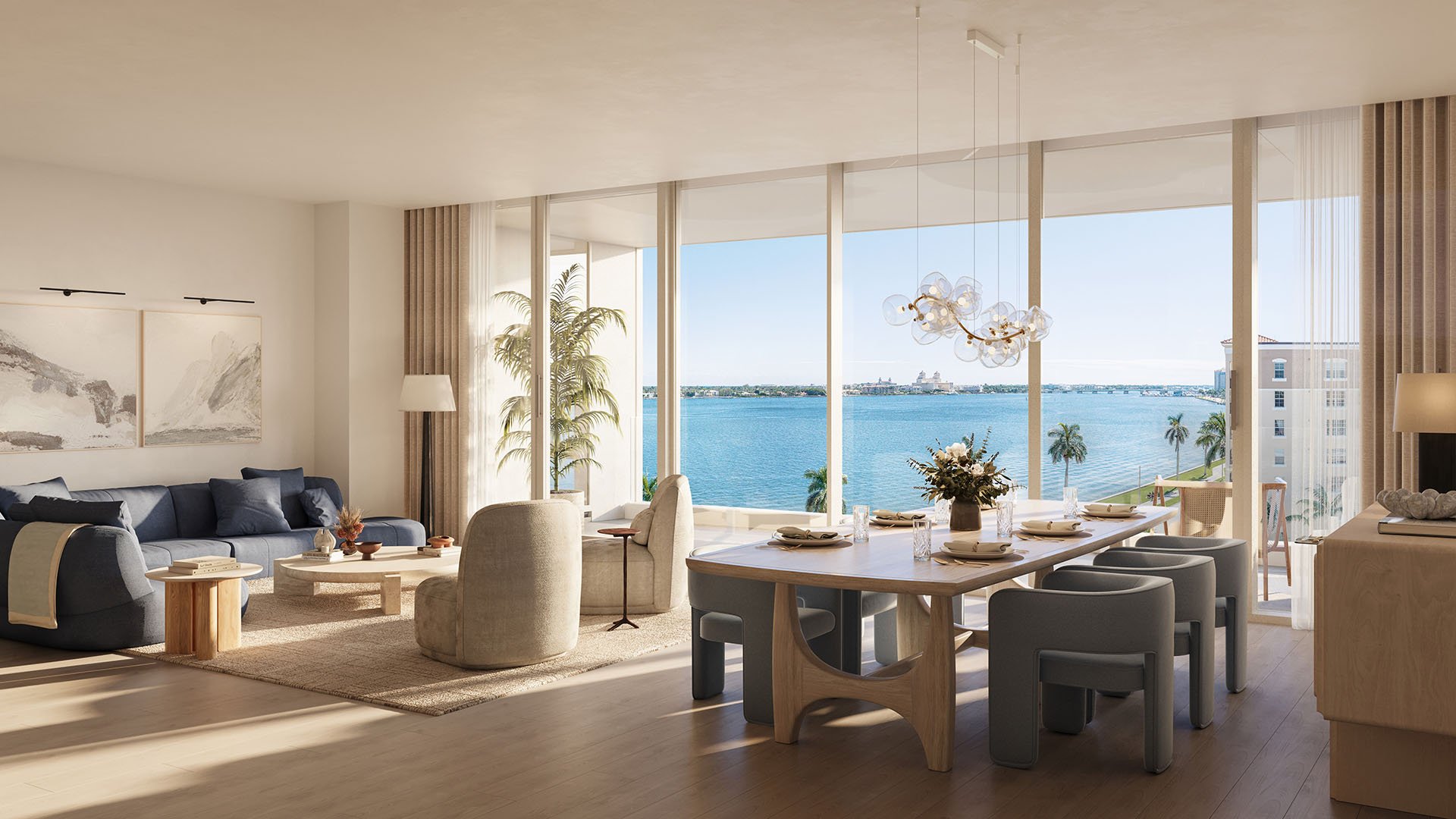
The Flagler Drive context also invites a waterfront mindset, but views should not eclipse function. Exposure, outdoor usability, window treatments, privacy, and room orientation all warrant careful review before selecting a particular residence.
Banyan Tree Residences naturally raises questions about how brand identity translates into private ownership. Families considering the project should distinguish between services that simplify life and programming that could make home feel more public than desired. The relevant measure is control: when residents can opt in, how guests are received, and which spaces support quiet routines.
Buyers should request precise explanations of operating standards, residential rules, staffing, reservations, and any distinctions among owners, visitors, and other users. The objective is not to avoid hospitality, but to determine whether it remains in the background until invited.
A family should also test whether the residence can evolve. A nursery may become a study, a guest suite may need to accommodate an older parent, and a media room may later serve teenagers or remote work. Flexibility is strongest when a plan can change purpose without extensive construction.
A disciplined comparison puts the same questions to both projects. Which arrival feels more private? Which plan better separates generations? Where can children relax without overtaking formal rooms? How are guests, caregivers, pets, deliveries, and household staff accommodated? Which services are included, optional, reservable, or subject to separate charges?
Buyers should also compare the broader new-construction field without losing sight of their original brief. South Flagler House West Palm Beach can serve as another reference point for evaluating residential character, while Mr. C Residences West Palm Beach offers another project through which to test personal reactions to a named residential concept. The exercise is not to accumulate options, but to clarify the distinction between a home that feels serviced and one that feels programmed.
The most durable principle is simple: compare documents and operating realities with the same attention given to architecture. Review ownership costs, reserve expectations, leasing provisions, pet rules, guest access, construction timelines, and the treatment of shared areas. Legal and financial advisers should examine the governing materials before any commitment.
Shorecrest may enter the conversation for a household prioritizing a residence-led identity, discreet common spaces, and a straightforward daily rhythm. Banyan Tree Residences may appeal to a buyer comfortable exploring a brand-associated proposition, provided its service model preserves the desired level of autonomy and quiet.
Neither profile should substitute for plan-specific and document-specific review. The best fit may vary by residence, family composition, intended occupancy, and tolerance for shared programming. A couple hosting adult children has different circulation needs from a household with young children, live-in support, or frequent multigenerational visits.
The final decision should feel convincing without relying on spectacle. If the residence works during school mornings, private dinners, long guest stays, and periods away, it is more likely to remain relevant as family life changes.
Which project is better for a family seeking a non-resort atmosphere? The answer depends on each project's operating model, shared-space culture, and the specific residence selected. Buyers should test both against their actual weekly routine.
What should families prioritize in a floor plan? Focus on bedroom separation, storage, acoustic privacy, flexible rooms, and circulation that keeps private and social zones distinct.
Does a branded residence automatically feel like a hotel? No. The experience depends on access rules, service delivery, programming, staffing, and how much choice residents retain.
Why does the arrival sequence matter? Arrival affects privacy, convenience, guest reception, deliveries, and the emotional transition from the city into the home.
What should multigenerational buyers examine? Consider suite privacy, accessible circulation, proximity between bedrooms, kitchen access, and spaces where generations can gather or separate.
How should buyers evaluate amenities? Judge amenities by their likely frequency of use, ease of access, privacy, reservation requirements, and contribution to ongoing costs.
Are guest policies important for seasonal owners? Yes. Guest registration, access permissions, length-of-stay rules, and owner-presence requirements can materially affect family use.
What documents deserve close review? Examine purchase documents, governing rules, budgets, fee schedules, leasing provisions, pet policies, and disclosed completion obligations with advisers.
Should buyers compare specific residences within each project? Yes. Orientation, layout, privacy, outdoor space, and proximity to common areas can create markedly different experiences within one building.
What is the best final test before choosing? Imagine an ordinary week rather than a presentation day. The stronger fit will support family routines with less compromise and less management.
When you're ready to tour or underwrite the options, connect with MILLION.
If branded residences are on your mind — as a home or as an allocation — we would be glad to share what we are seeing, privately.
Begin a quiet conversation