A buyer-focused guide to evaluating water intrusion history in Hillsboro Beach luxury real estate, from seller disclosures and inspection scope to association records, remediation standards, insurance questions, and closing protections.
In Hillsboro Beach, the most coveted homes are often those closest to the elements. Ocean views, broad terraces, private pools, and glass-forward architecture create the atmosphere buyers want, but they also make water history a critical part of the acquisition conversation. The right question is not simply whether a property has ever leaked. The sharper question is what happened, why it happened, how it was corrected, and whether the correction has held over time.
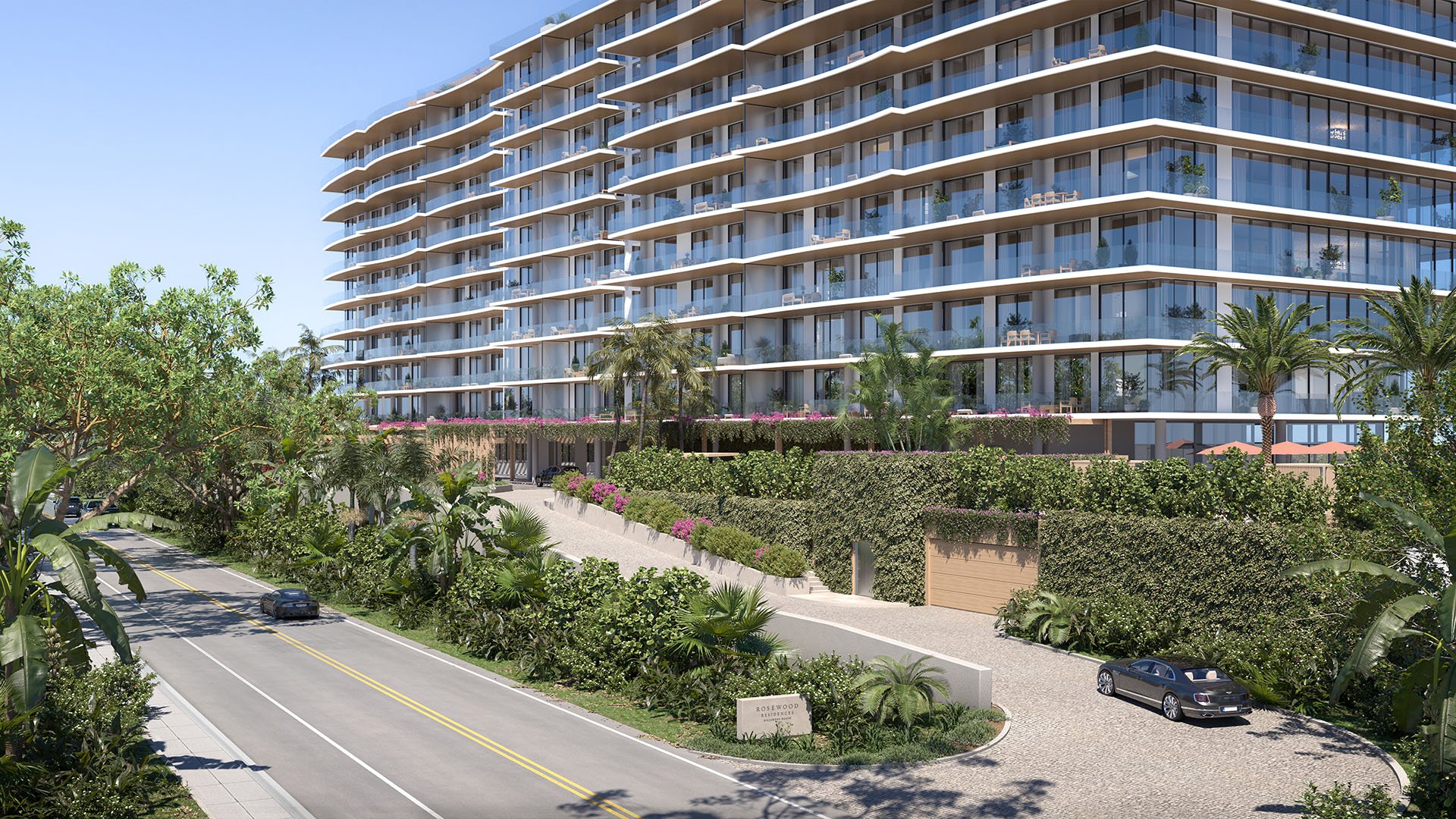
For high-value buyers, water intrusion due diligence should begin before the inspection period becomes compressed. It belongs alongside title review, insurance review, association document review, and architectural evaluation. At addresses such as Rosewood Residences Hillsboro Beach, where the coastal setting is central to the appeal, a disciplined review of envelope performance, terrace drainage, window systems, and maintenance protocols can be as important as floor plan or finish selection.
Ask the seller to describe any known water intrusion, moisture staining, plumbing leaks, roof issues, window or door leaks, terrace drainage concerns, mold remediation, or insurance claims. Then ask for the supporting record. A polished verbal explanation has value, but luxury buyers should seek invoices, contractor proposals, permits if applicable, warranties, inspection notes, photographs, and any follow-up reports confirming that the issue was resolved.
The most revealing question is whether the same area has required attention more than once. A single, well-documented repair may be manageable. A recurring pattern near the same opening, wall line, ceiling plane, balcony door, shower assembly, or mechanical chase deserves closer analysis. Ask whether repairs addressed the source or merely the visible finish damage. Repainting a ceiling is not the same as correcting the path of water.
For resale purchases, request prior seller disclosures if available, association correspondence, and records of repairs made during the current ownership. For new-construction purchases, ask about warranty coverage, punch-list history, water testing protocols, and the process for reporting post-closing issues.
In a condominium, water history is rarely confined to the interior of one residence. Ask the association or management team whether the building has experienced water intrusion affecting common elements, exterior walls, roofing, terraces, garages, mechanical rooms, or amenity areas. Review meeting minutes, maintenance logs, reserve discussions, engineering correspondence, and pending or completed repair projects.
A luxury buyer should understand the boundaries of responsibility. If water enters through a window system, roof, balcony, exterior wall, or plumbing stack, who investigates it, who repairs it, who pays, and how quickly does the association respond? The answer may depend on governing documents, maintenance protocols, and the exact source of the water. Before making assumptions, have counsel and the inspection team review the documents together.
This same discipline applies across the broader coastal market. Buyers comparing Hillsboro Beach with nearby properties such as Armani Casa Residences Pompano Beach or The Ritz-Carlton Residences® Pompano Beach should ask building-specific questions rather than relying on brand, age, or exterior appearance as a proxy for performance.
A standard visual inspection may not be sufficient for a significant oceanfront or waterview acquisition. Discuss the scope before hiring the inspector. Ask whether moisture meters, thermal imaging, roof evaluation, window and door review, plumbing review, HVAC condensate review, attic or crawlspace access where applicable, and terrace or balcony drainage observations are appropriate for the property type.
For single-family estates, the review may include roof penetrations, exterior cladding, grading, pool equipment areas, irrigation overspray, seawall-adjacent hardscape, impact openings, and interior areas below terraces or balconies. For condominiums, it may focus on exterior openings, sliding doors, ceiling lines below units above, mechanical closets, laundry areas, bathroom walls, kitchen plumbing, and balcony thresholds.
Ask the inspector to distinguish active moisture, past staining, cosmetic repair, and conditions that require invasive testing. In a luxury transaction, ambiguity can be expensive. If the inspector sees a suspicious patch, bubbling baseboard, cupped flooring, soft drywall, or unexplained odor, ask what specialist should evaluate it before the inspection period expires.
Water intrusion history can affect more than repair costs. It can influence insurability, coverage terms, deductibles, exclusions, and lender comfort. Ask whether any insurance claim was filed for water damage, whether the claim was paid or denied, and whether the damaged area was remediated by licensed professionals. Request documentation showing drying, removal, reconstruction, and clearance where applicable.
If remediation occurred, ask what materials were removed and replaced. Were cabinets detached? Was drywall cut back? Were floors lifted? Were baseboards replaced? Was the source corrected before finishes were restored? For luxury residences with stone, custom millwork, designer wallcoverings, integrated lighting, or imported flooring, the cost of making a space whole can exceed the cost of stopping the water.
Buyers looking from Fort Lauderdale north through Hillsboro Beach may encounter very different building types, from boutique oceanfront properties to branded residences. The underwriting question remains consistent: what is the property’s water story, and can it be documented cleanly?
If the seller cannot provide a complete history, the buyer’s contract strategy becomes more important. Consider inspection contingencies that allow specialist review, document requests delivered early, association questionnaires, insurance review periods, and clear remedies if undisclosed water conditions appear. The goal is not to turn every stain into a deal-breaker. The goal is to price risk intelligently before closing.
Ask your advisor to create a written water-intrusion checklist for the property. Include seller questions, association questions, inspector questions, insurance questions, and follow-up deadlines. Within a buyer file, labels such as Hillsboro Beach, oceanfront, waterview, new construction, and resale can help organize comparable concerns across properties without losing the nuance of each asset.
The finest coastal homes are not perfect because they have never required maintenance. They are exceptional because their history is transparent, their systems are understood, and their ownership structure supports prompt, competent care.
What is the first water intrusion question to ask a seller? Ask whether the property has ever had water intrusion, moisture damage, mold remediation, plumbing leaks, roof leaks, window leaks, or insurance claims.
Should I ask for repair invoices? Yes. Invoices, photographs, warranties, and contractor scopes help show whether the source was corrected or only the visible damage was repaired.
Is one past leak always a serious problem? Not necessarily. A single documented event that was properly repaired is different from repeated moisture in the same area.
What should condo buyers ask the association? Ask about exterior leaks, roof or terrace issues, common-element repairs, maintenance logs, meeting minutes, and responsibility for future repairs.
Do luxury finishes make water issues more important? Yes. Custom millwork, stone, flooring, lighting, and wallcoverings can make restoration more complex and costly.
Should I rely on a standard inspection only? Not always. Larger coastal purchases may justify moisture testing, thermal imaging, roof review, or specialist evaluation.
What does recurring staining suggest? It may suggest the original source was not fully corrected, especially if the mark appears in the same ceiling, wall, or threshold area.
Can water history affect insurance? It can. Buyers should ask about past claims and have insurance reviewed before contingency deadlines expire.
What if the seller has no records? Treat missing records as a reason for deeper inspection, clearer contract protections, and more careful pricing of risk.
Is water due diligence only for older properties? No. New and resale properties both deserve review, although the questions may differ around warranties, maintenance, and prior repairs.
To compare the best-fit options with clarity, connect with MILLION.
If branded residences are on your mind — as a home or as an allocation — we would be glad to share what we are seeing, privately.
Begin a quiet conversation