A buyer-focused guide to evaluating yacht-ready waterfront living in North Bay Village, with due diligence questions on dock access, building rules, service logistics, views, privacy, and long-term ownership fit.
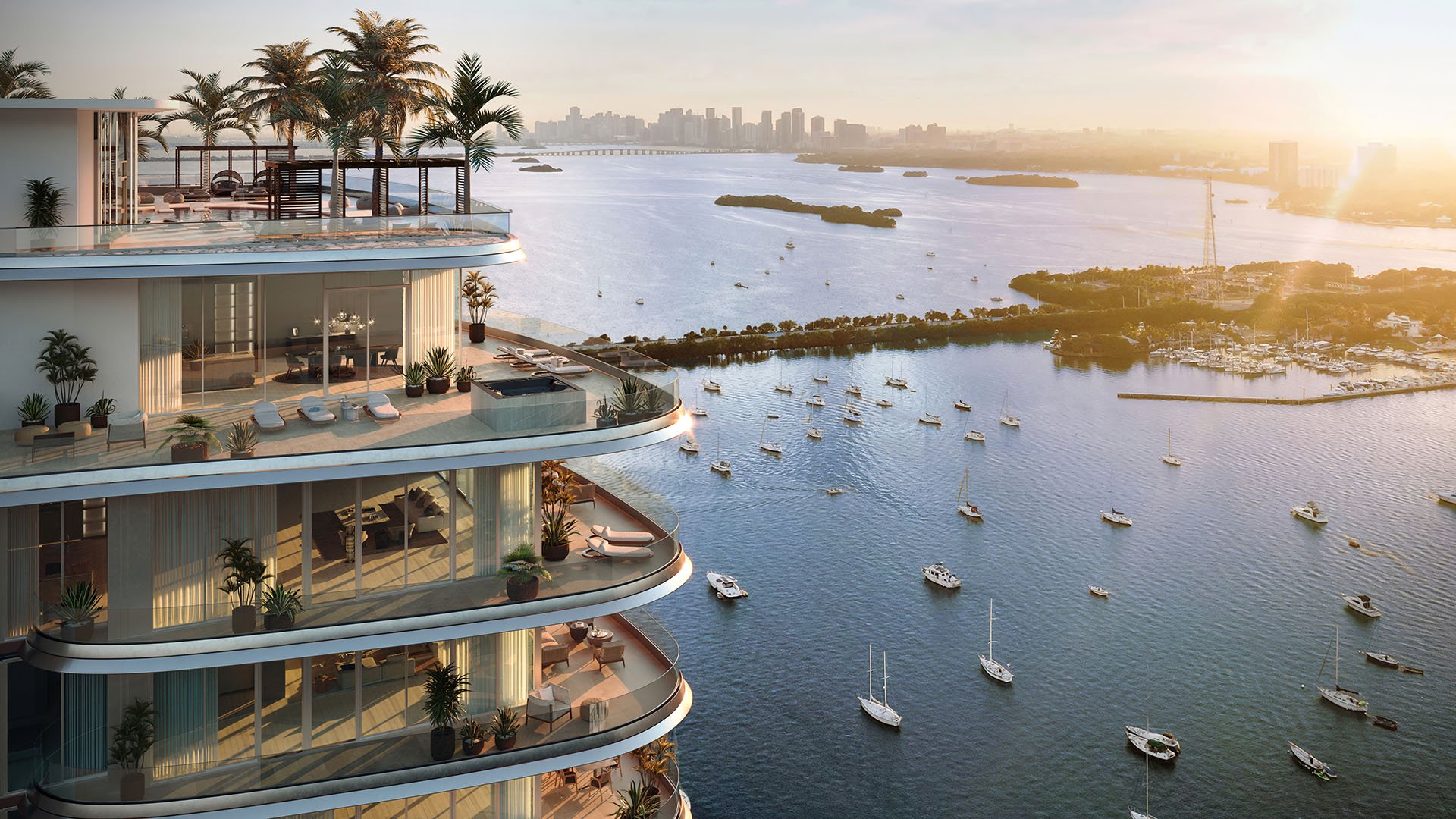
For many luxury waterfront buyers, the first pull is visual: a wide water panorama, a sunrise terrace, the shimmer of evening lights across the bay. In North Bay Village, that instinct is natural. Yet for an owner with a yacht, tender, center console, or simply a frequent rhythm of days on the water, the more important question is practical: how effortless will boating feel after closing?
Yachting convenience is not a single amenity. It is a sequence of permissions, physical conditions, service habits, and building protocols that either support the owner’s lifestyle or quietly compromise it. The most beautiful residence can become frustrating if guest pickup is awkward, dock access is limited, loading is poorly planned, or the building’s rules do not align with how the owner actually uses the water.
That is why discerning buyers should evaluate waterfront real estate as both residence and operating base. A home may offer compelling water-view appeal, but a true yachting address must answer sharper questions about access, privacy, management, and time.
Before comparing finishes, amenity decks, or penthouse terraces, ask what boating access actually means. Is there a dedicated slip, a shared dock, nearby marina access, or no direct boating arrangement at all? If a slip is involved, what vessel size, beam, draft, and height considerations apply? If access is shared, how is priority handled, and who manages usage?
A boat slip can mean very different things across properties. It may be deeded, licensed, assigned, rentable, limited by association approval, or available through a separate arrangement. Each structure affects control, cost, transferability, and resale positioning. A buyer should review the governing documents, not just the sales language, before assuming the boating component will travel seamlessly with ownership.
Also ask whether the dock experience matches the way the household boats. A day cruiser owner has different needs than a yacht owner with crew, a family that hosts weekend guests, or an owner who expects frequent tender transfers. The more specific the routine, the more exacting the diligence should be.
The word marina can imply ease, but buyers should define that ease in operational terms. How close is the berth to the residence? What is the path from lobby to water? Can provisions, luggage, water toys, and personal gear be moved discreetly and efficiently? Is there a sensible place for rideshare pickup, valet coordination, or guest arrival before boarding?
Security matters as well. Waterfront access should feel polished, not exposed. Ask who controls dock entry, whether cameras cover the relevant areas, how after-hours access is handled, and how the building separates resident privacy from boating activity. The ideal arrangement lets owners enjoy the water without turning the residential experience into a public passageway.
Service planning is equally important. Cleaning, fueling coordination, detailing, repairs, and captain access all require rules. An owner may not need every service on site, but the building should have a coherent philosophy for outside vendors, delivery windows, and staff movement. If the property is quiet and residential in character, those protocols are especially important to preserving the tone of daily life.
Luxury buyers often focus on what a building offers. Yacht-minded buyers must also understand what it restricts. Association rules may address dock hours, guests, pets on docks, storage, fishing equipment, noise, commercial use, charters, vendor access, and insurance requirements. None of these details should be left for later.
Ask whether the building permits captains or crew to access common areas without the owner present. Ask how temporary dockage is handled when friends arrive by boat. Ask whether owners can load coolers, paddleboards, dive gear, or provisions through a service corridor rather than the main lobby. A refined building can still accommodate active waterfront living, but the policies must be clear.
For buyers comparing North Bay Village options, the goal is not necessarily the most permissive building. It is the building whose rules match the owner’s intended lifestyle. A highly private residence may appeal precisely because it is controlled. A more boating-forward property may suit an owner who expects frequent movement. The right choice depends on the household’s pattern.
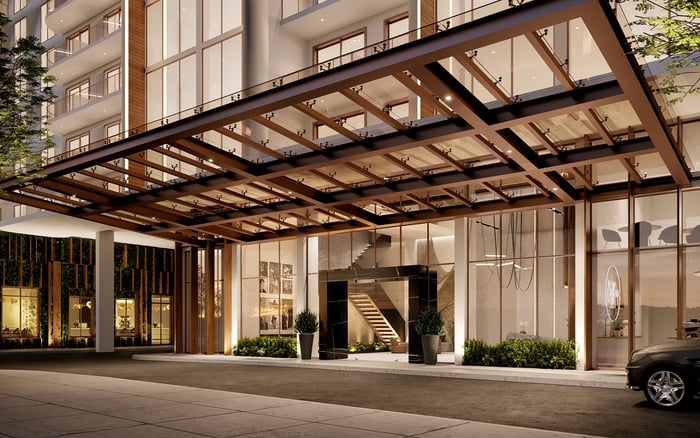
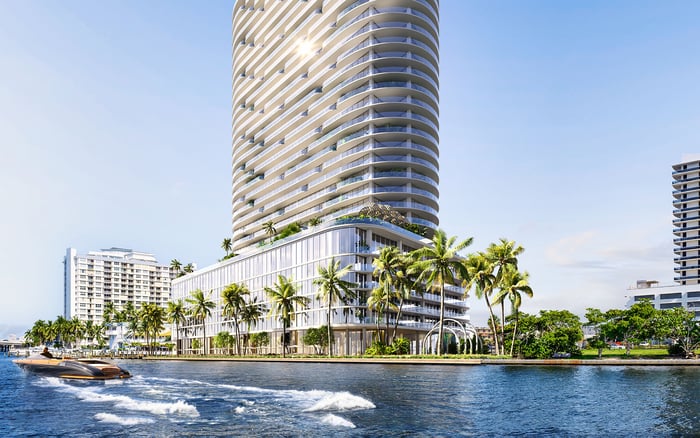
North Bay Village has drawn attention from buyers seeking a waterfront condominium lifestyle with a more intimate, bay-oriented sensibility. When reviewing opportunities such as Continuum Club & Residences North Bay Village, the conversation should move beyond the renderings and into the daily choreography: arrival, parking, elevator access, guest flow, staff coordination, and the transition from residence to water.
A design-led buyer may also consider Pagani North Bay Village, where the evaluation should remain practical. Brand, architecture, and materials create atmosphere, but yacht ownership is lived through details. Where do owners store gear? How does a captain communicate with the residence? Can a family return from the water without disrupting the building’s sense of occasion?
Other buyers may compare the broader neighborhood offering through properties such as Shoma Bay North Bay Village and Tula Residences North Bay Village. In every case, the same discipline applies: do not assume waterfront means yacht-ready. Ask for documents, diagrams, rules, and walk-throughs that show how the property functions when the boat day is real.
Yachting convenience begins before the vessel leaves the dock. It includes the garage, valet, lobby, elevator, service entrance, package handling, cold storage possibilities, and the privacy of moving from residence to water. A buyer should walk the route with intention. Imagine arriving with guests, children, bags, food, towels, and a captain waiting. Does the building still feel gracious?
Then reverse the scene. After a day on the water, will wet gear, sandy shoes, or tired guests create friction with the property’s formal spaces? Is there an intuitive way to return to the residence without compromising the lobby experience? Luxury is not merely what looks refined in a brochure. It is what continues to feel refined when life becomes active.
Parking and loading also matter. If the owner keeps boating equipment, fishing tackle, paddleboards, or seasonal items nearby, storage policies should be reviewed carefully. If the household entertains frequently, guest parking and access control become part of the boating experience. Convenience is cumulative.
Waterfront ownership is emotional, but resale is analytical. Buyers should consider how the yachting component will be understood by the next sophisticated purchaser. Is access obvious and documented? Are costs transparent? Are restrictions reasonable? Does the residence appeal to both boaters and non-boaters, or is its value too dependent on a narrow use case?
Views deserve the same scrutiny. A dramatic water view can anchor value, but the quality of the view should be assessed at different times of day and from the rooms where the owner will actually live. Terrace depth, railing height, neighboring structures, night lighting, and sightlines from primary suites all shape the experience.
Privacy is another form of value. A residence may be close to the water yet feel exposed to dock activity. Conversely, a higher residence may trade immediate dock proximity for a calmer, more private perspective. The right balance depends on whether the buyer wants to feel connected to the boating environment every hour or prefers separation until it is time to depart.
A strong waterfront tour should feel like a working session, not a presentation. Ask to see the actual path from parking to residence, from residence to dock, and from dock back to service areas. Ask who manages dock operations and how disputes or scheduling issues are resolved. Ask whether the building has experience with owners who maintain vessels, use captains, or entertain by water.
Request the relevant association documents early. Review insurance obligations, maintenance responsibilities, fees, guest rules, and any limits on vessel use. If a slip or docking arrangement is central to the purchase, make it central to the contract review as well.
Finally, ask yourself whether the property reduces friction. The best yachting residence does not simply place you near the water. It makes the water feel like a natural extension of home.
What should a yacht owner ask first when buying in North Bay Village? Start by asking what boating access is actually included, how it is documented, and what rules govern daily use.
Is a waterfront view the same as boating convenience? No. A residence can have an excellent view while offering limited or inconvenient access to the water.
Why is dock documentation so important? Documentation clarifies whether access is owned, assigned, licensed, rented, restricted, or subject to association approval.
Should buyers review association rules before making an offer? Yes. Rules may affect guests, vendors, crew access, storage, loading, dock hours, and vessel-related services.
What makes a building feel yacht-friendly? Clear access, discreet service routes, thoughtful security, practical loading areas, and responsive management all matter.
How should buyers evaluate a marina nearby or on site? Consider distance, access control, service coordination, guest flow, privacy, and whether it matches your boating routine.
Can a boat slip affect resale value? It can, especially when the rights, limits, costs, and transferability are clear to a future buyer.
Why should buyers walk the route from residence to water? The walk reveals whether daily boating will feel elegant and simple or inconvenient once real gear and guests are involved.
Are higher residences better for yacht owners? Not always. Higher floors may offer privacy and views, while lower floors may provide faster access to the water.
What is the final test of a yachting residence? The home should make leaving for the water and returning from it feel natural, private, and quietly efficient.
For a discreet conversation and a curated building-by-building shortlist, connect with MILLION.
If branded residences are on your mind — as a home or as an allocation — we would be glad to share what we are seeing, privately.
Begin a quiet conversation