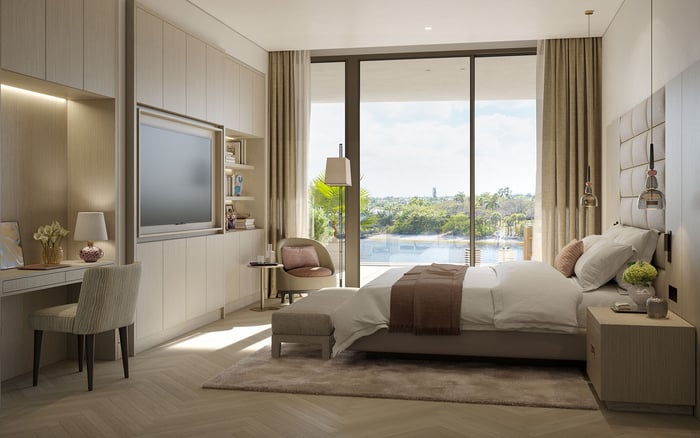
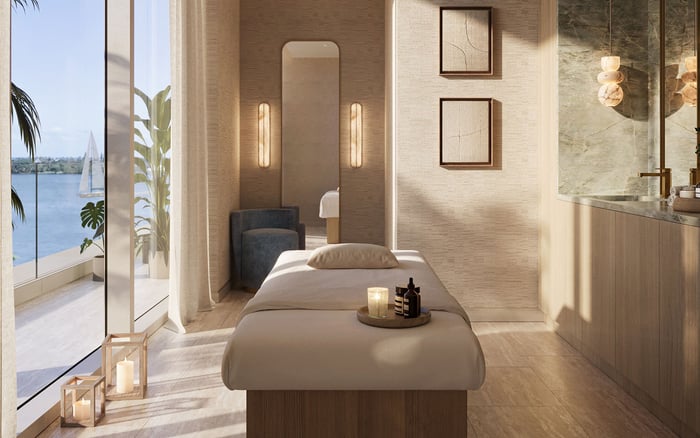
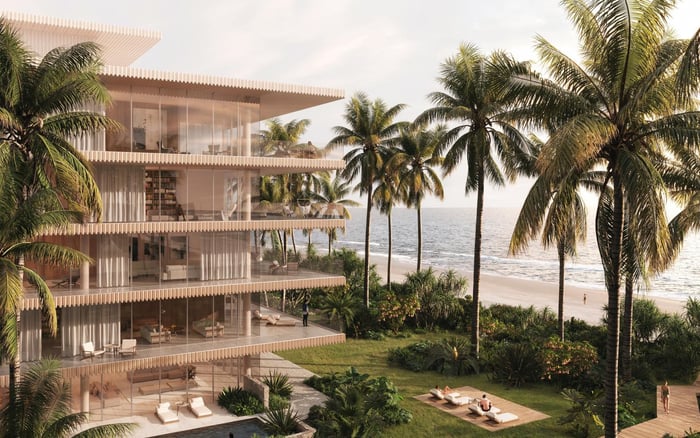
A buyer-focused look at how winter demand shapes service consistency, dining access, guest management, and waterfront lifestyle value at The Ritz-Carlton Residences® Palm Beach Gardens.
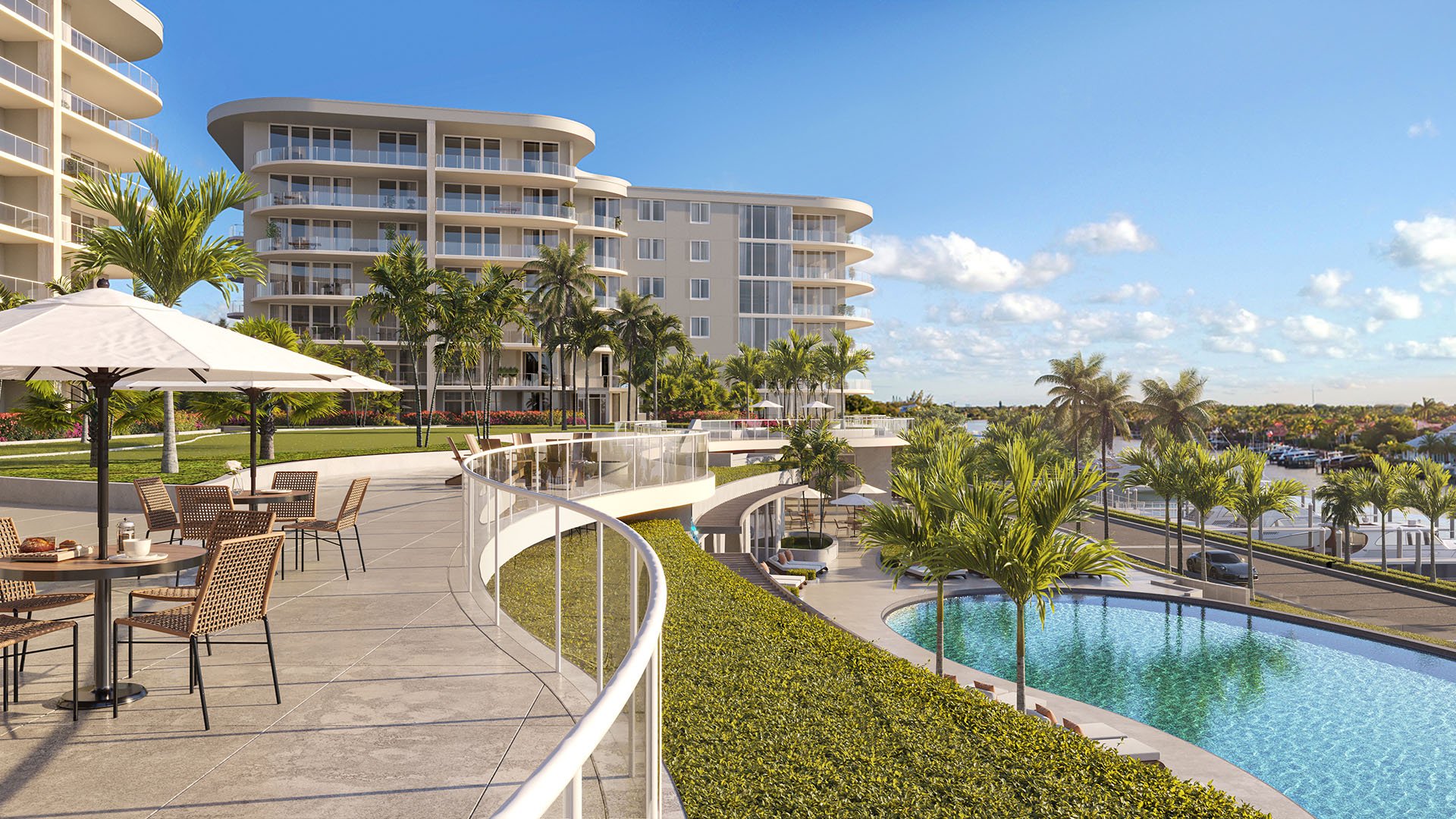
Winter is when South Florida’s luxury residences reveal their operating character. At The Ritz-Carlton Residences® Palm Beach Gardens, the appeal is direct: a branded residential address in Palm Beach Gardens, shaped by waterfront ownership and the expectations associated with The Ritz-Carlton Residences® West Palm Beach name. The more discerning question is not simply what the property offers, but how those offerings perform when demand is at its highest.
That distinction matters. A non-hotel branded residence is not purchased as a transient hospitality experience. Ownership and private residential use sit at the center of the proposition. Yet the brand expectation remains elevated: recognition, discretion, reliable service delivery, and the confidence that the residence is prepared for seasonal intensity before it arrives.
For winter owners, peak demand is both a value driver and an operational test. The atmosphere can be more animated, the social calendar more active, and the broader Palm Beach market more compelling. At the same time, shared facilities, dining access, waterfront services, and guest protocols must absorb a concentrated period of use without eroding privacy.
The property’s waterfront positioning is a defining ownership lens. In Palm Beach Gardens, winter living is often organized around time outside, boating, regional dining, golf, and access to the broader Palm Beach luxury market. Waterfront is not merely a view category; it influences how owners arrive, host, plan weekends, and evaluate daily convenience during the most desirable months of the year.
That is why winter-season due diligence should go beyond amenity descriptions. A buyer should understand how waterfront routines are managed when more owners are in residence. Marina-related needs, boating coordination, guest arrivals, service timing, and shared outdoor areas can become more consequential in January than they appear in a quiet summer walkthrough.
This is also where The Ritz-Carlton Residences® Palm Beach Gardens fits into the broader northern Palm Beach County conversation. Buyers comparing the area with The Ritz-Carlton Residences® West Palm Beach or Palm Beach Residences are often weighing not only location, but the rhythm of ownership: waterfront ease, town access, service culture, and the degree of seasonal privacy each setting can preserve.
Among Branded Residences, service consistency is not decorative. It is central to the purchase rationale. Owners expect hospitality discipline to translate into residential calm, particularly during winter, when more residents, family members, and guests may be using the property at once.
The distinction between luxury and ultra-luxury often appears in the small moments: how quickly requests are understood, how gracefully preferences are remembered, and how well staff manage simultaneous demand without making owners feel the strain. In a branded residence, that expectation is heightened because the name carries an implied service vocabulary.
Still, prospective buyers should avoid assuming that brand alone answers every operational question. They should ask how service levels are protected during peak use, how staffing plans adapt to seasonal demand, and how owner communication works when multiple households are requesting similar support. The best ownership experience is usually the one where those systems feel invisible because they have been carefully established.
Dining access becomes one of the most practical winter ownership issues. Peak season can affect reservations, preferred time slots, guest accommodations, and service pacing. Even in residences where the central lifestyle extends to nearby dining rather than only on-property venues, the same principle applies: winter rewards owners who understand how access is prioritized and planned.
For buyers, the key question is less whether dining exists in the lifestyle orbit and more how it functions under pressure. Are owners given meaningful priority? How are visiting guests handled? What happens when several households want the same evening window? How much advance planning is realistic during holiday weeks or major social periods?
The Palm Beach area has a dining culture that becomes especially active in winter, and that activity supports the desirability of ownership. It also places a premium on concierge fluency and household planning. A residence that can help owners move between waterfront afternoons, dinner reservations, and guest hosting with minimal friction becomes more valuable in lived experience than in a brochure.
Winter ownership often means guests. Family arrives, friends extend weekends, and seasonal visitors become part of the household calendar. Guest access is therefore not secondary; it is one of the defining operational themes for any luxury waterfront residence during peak months.
The issue is balance. Owners want to host generously, but they also want the building to remain residential, discreet, and controlled. Clear guest policies help preserve that balance. They shape arrivals, amenity use, dining accommodations, parking coordination, service requests, and the overall sense of privacy among residents.
Prospective buyers should ask how guest access is managed before they need it. That includes understanding registration procedures, amenity privileges, dining protocol, and the difference between immediate family, houseguests, and larger social gatherings. The goal is not restriction for its own sake; it is the preservation of a residential environment where hosting feels effortless and other owners still feel protected.
Marina considerations become more visible in winter because waterfront living is used more actively. Even without relying on specific operational claims, buyers can reasonably treat boating and waterfront coordination as important questions at a property positioned around this lifestyle. How owners schedule services, coordinate arrivals, and plan high-demand days can shape the practical value of the address.
Daily flow matters as much as marquee amenities. A winter owner may care about morning fitness access, afternoon waterfront time, an evening reservation, and guest arrivals on the same day. If each step requires friction, the experience feels less refined. If the residence coordinates those moments with quiet competence, the brand promise becomes tangible.
This is why comparisons across South Florida’s waterfront and branded landscape can be instructive. A buyer looking from Palm Beach Gardens to Alba West Palm Beach, or south toward The Ritz-Carlton Residences® Pompano Beach, is often comparing operating temperament as much as architecture or location.
For a prospective owner, winter-season evaluation should focus on operations. The right questions are practical, specific, and centered on the months when the property will be most actively used.
Start with service. How are owner requests prioritized during peak occupancy? What systems exist for remembering preferences? How does communication occur when a request involves multiple departments or third parties?
Then consider dining. What should owners expect for reservations, guest accommodations, and peak-time planning? How early should special evenings be arranged? How does the residence help owners navigate regional dining when demand is high?
Guest access deserves equal attention. Understand policies before purchase, especially if the residence will function as a second home for a household that hosts often. Ask how privacy is preserved when guests arrive frequently, and how amenity use is balanced among residents.
Finally, evaluate the lifestyle itself. In Palm Beach Gardens, winter ownership is about more than retreat. It is a seasonal rhythm of waterfront living, social connection, golf, boating, dining, and access to Palm Beach. The most successful purchase is the one where that rhythm is supported by service systems strong enough to remain composed at full tempo.
Is The Ritz-Carlton Residences® Palm Beach Gardens a hotel? It is framed as a non-hotel branded residence, with private ownership and residential use at the center of the experience.
Why does winter demand matter for owners? Winter concentrates use of amenities, dining, guest access, and waterfront services, making operations more important.
Does the brand affect buyer expectations? Yes. The Ritz-Carlton Residences® name raises expectations for privacy, discretion, recognition, and reliable service delivery.
What should buyers ask about dining access? Buyers should ask how reservations, owner priority, guest accommodations, and peak-time service are handled.
Why is guest access a major ownership issue? Winter often brings family, friends, and seasonal visitors, so clear guest protocols help preserve privacy and ease.
How does the waterfront setting influence ownership? Waterfront living makes boating, outdoor use, arrival flow, and service coordination especially relevant during peak months.
Should buyers focus only on amenities? No. The more important question is how amenities are managed when many owners want to use them at the same time.
Is peak winter demand a positive or a concern? It can be both. Demand supports desirability and social energy, but it also tests access management and service consistency.
What makes Palm Beach Gardens attractive for winter ownership? The area supports a lifestyle tied to waterfront living, regional dining, golf, boating, and broader Palm Beach access.
What is the most important buyer takeaway? Understand the operating rules, service culture, and guest policies before relying on them during the busiest months.
For a confidential assessment and a building-by-building shortlist, connect with MILLION.
If branded residences are on your mind — as a home or as an allocation — we would be glad to share what we are seeing, privately.
Begin a quiet conversation