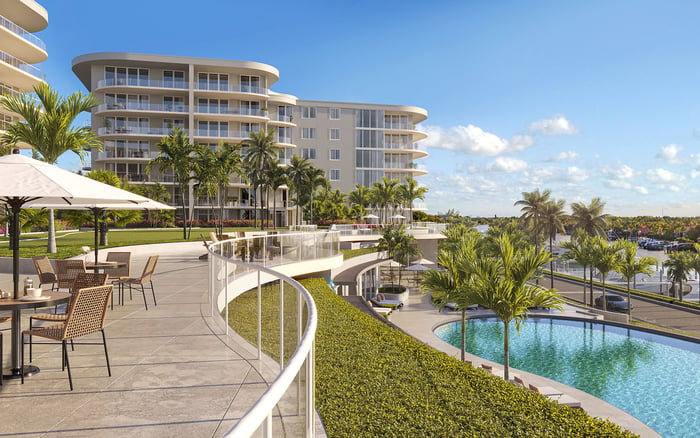
A discreet planning framework for Hillsboro Beach households hosting during Palm Beach winter season, covering temporary security credentials, building coordination, radio discipline, and guest privacy without confusing neighboring jurisdictions’ rules.

For a Hillsboro Beach household hosting during Palm Beach winter season, privacy is best treated as an operating plan, not an extra service ordered with the flowers. The objective is an arrival that feels effortless to guests and remains clear to those responsible for the residence, the building, and any temporary security team.
The essential distinction is between hospitality and authority. A host may invite guests, but that invitation should not be assumed to authorize changes to shared entrances, parking arrangements, elevator access, or staff responsibilities. Each requires a separate conversation. The recommendations below are planning practices, not a statement of Hillsboro Beach-specific staffing, radio, or building requirements.
Before engaging a temporary team, ask management to review the proposed event footprint: expected arrivals, vendor access, loading, shared spaces, and departures. Seek written confirmation of what is permitted and identify who can approve changes during the event.
For a buyer considering Rosewood Residences Hillsboro Beach, this is also a useful ownership question: how would management evaluate a resident’s request to bring outside security onto the property? This is a matter of due diligence, not an assertion about the development’s policies.
A practical coordination brief should distinguish the roles of the host’s representative, building management, and security supervisor. Designate one decision-maker for each, with a clear escalation path when an arrival, delivery, or access request falls outside the agreed plan. Temporary personnel should not improvise changes to building systems or resident circulation.
Before contracting, verify the credentials relevant to the proposed services and personnel. Ask the provider to identify its supervisor, explain the assignment, and describe how substitutions will be communicated. A license check and an operational briefing serve different purposes; neither replaces the other.
Define duties in writing: guest verification, vendor coordination, observation, and escalation, as appropriate. Discuss whether the assignment calls for armed personnel rather than treating that choice as a luxury default, and verify any additional credentials relevant to that role. The brief should specify who contacts emergency services and who coordinates with building management. Do not assume a universal staffing ratio or winter-season deployment requirement.
Ask the appropriate Hillsboro Beach contacts what assistance is available and which separate approvals the proposed gathering may require. Do not treat an inquiry about police coordination as confirmation of event approval, assigned staffing, parking permission, or building authorization.
For someone considering The Ritz-Carlton Residences® Palm Beach Gardens, the same distinction is useful: ask the relevant municipality about its own process rather than carrying assumptions from another South Florida address. This is a planning recommendation, not a statement of project policy.
An owner evaluating Alba West Palm Beach should likewise distinguish municipal obligations from building consent. Ask whether the proposed gathering’s effects on traffic, parking, fire safety, or sanitation require additional coordination. Neither a neighboring city’s procedures nor a building’s consent should be treated as establishing Hillsboro Beach requirements.
A radio plan should be simple enough for temporary personnel to follow without broadcasting a household’s private life. Use agreed role-based call signs, short plain-language messages, a designated supervisor, and a backup contact method. Avoid transmitting guest names, residence numbers, travel plans, or sensitive personal details when a less identifying message will suffice.
Ask the provider and management to arrange an authorized coverage test in the areas the team will actually use. Establish how a failed connection will be handled and who may change the communications plan. Have the provider confirm that equipment and channel use are appropriate and lawful; do not assume access to building or public-safety channels.
The working protocol should be an operational document agreed with the responsible professionals, not a purported local frequency mandate.
Collect only the guest information needed for the agreed access process. Restrict the working list to personnel with a defined task, control updates through one designated person, and avoid circulating complete lists through broad message groups. Build privacy into the workflow rather than relying solely on discretion.
Set photography expectations with vendors and guests before arrival. Clarify any proposed restrictions with management, especially where shared spaces or other residents are involved. These are recommended arrangements, not verified Hillsboro Beach photography rules.
Do not assume that private-event guest records have blanket confidentiality protection. Agree on retention and access with appropriate advisers, preserving material needed for incidents, insurance, or other obligations rather than promising automatic deletion.
The same due-diligence mindset can guide conversations about The Ritz-Carlton Residences® Pompano Beach: ask how outside personnel, guest verification, and vendor arrivals would be reviewed, without presuming a particular service or policy.
Before the event, conduct a final briefing on approved access, communications, and escalation. Afterward, reconcile temporary credentials, confirm equipment removal, document unresolved incidents, and review records with preservation needs in mind. The measure of a successful plan is not visible security, but clear responsibilities and fewer reasons for anyone to improvise.
For a considered approach to South Florida ownership and the practical details of private residential life, explore MILLION.
If branded residences are on your mind — as a home or as an allocation — we would be glad to share what we are seeing, privately.
Begin a quiet conversationAsk management to review arrivals, vendor access, loading, shared spaces, and departures. Seek written confirmation of permitted arrangements and who can approve changes.
Do not assume it does. Confirm parking permission, building consent, municipal approvals, and police coordination separately.
Verify the credentials relevant to the proposed services and personnel. Ask the provider to identify its supervisor and explain how substitutions will be communicated.
Treat that as an assignment-specific decision rather than a luxury default. Discuss the need with the provider and verify any additional credentials relevant to the role.
Do not assume neighboring procedures apply. Confirm the proposed arrangements with the appropriate Hillsboro Beach contacts and building management.
Designate decision-makers for the host, management, and security team before arrivals begin. Establish an escalation path for requests outside the agreed plan.
Avoid guest names, residence numbers, travel plans, and sensitive personal details when less identifying messages will suffice. Use agreed role-based call signs and short, plain-language messages.
Arrange an authorized coverage test in the areas the team will use. Establish a backup contact method and identify who may change the communications plan.
Set expectations with vendors and guests before arrival. Discuss proposed restrictions with management where shared spaces or other residents are involved.
Do not assume a universal deletion deadline. Agree on retention and access while preserving records needed for incidents, insurance, or other obligations.