A discreet hosting strategy starts with separating association permissions from municipal event rules. For Palm Beach Gardens buyers, private functions, vendor logistics, signage, and media access deserve written answers before invitations go out.
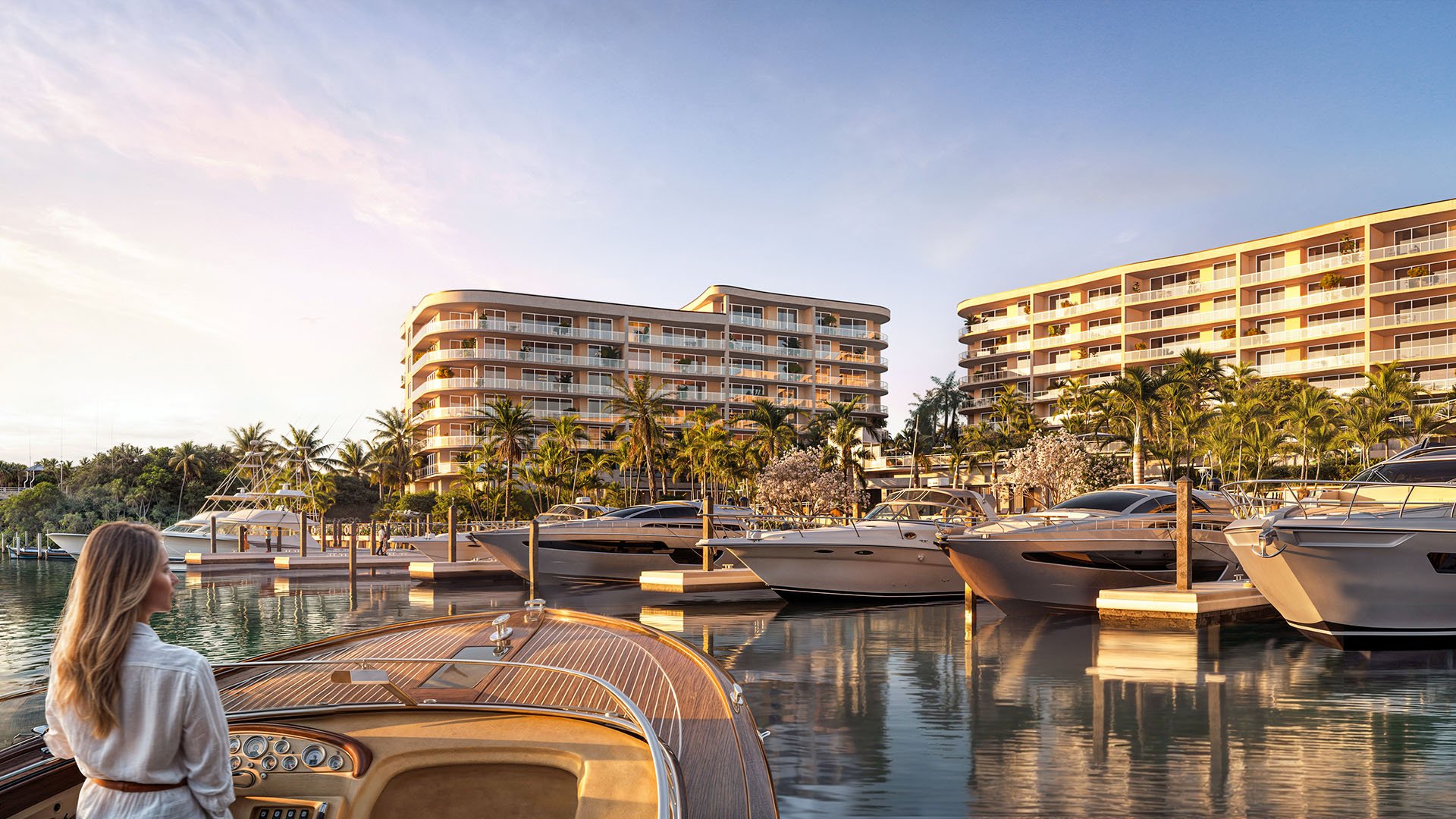
For an owner planning winter entertaining around yacht visits, the residence-management test begins before the guest list. Can the intended dinner, reception, or photographed gathering proceed within the property's rules without turning arrivals and setup into a negotiation?
In Palm Beach Gardens, that question has two distinct parts: what the association permits and which municipal requirements apply. Neither answer should be assumed from an invitation-only format, a private address, or a branded residence name.
Buyers considering The Ritz-Carlton Residences® Palm Beach Gardens should make operating permissions part of their due diligence rather than infer particular hosting privileges. Winter yacht migration is the planning context, not a separate regulatory category or evidence of seasonal exceptions.
Palm Beach Gardens requires a permit before organizing, promoting, managing, or soliciting participation in an activity that meets its special-event definition. The first step is classification-not simply determining whether guests received personal invitations. Classification questions can be directed to the Planner on Call at 561-799-4222.
The public-assembly framework is different: it addresses events on public property through the Recreation Department. Its Level 1 category includes limited-attendance events for invited participants that may involve outside vendors. That does not make every catered residential gathering a Level 1 event.
For applicable public-property events, applications should generally arrive at least 60 days before Level 1 events and 90 days before Level 2 or Level 3 events. Begin discussions early through [email protected]. These lead times should not be applied automatically to a private residence function.
Request the governing documents and current operating rules before treating a residence as an entertaining venue. Ask management who can approve the proposed use, what submission is required, and whether the answer differs between the residence itself and shared spaces.
A useful written brief should specify guest numbers, timing, catering, entertainment, deliveries, parking, and any intended common-area use. Ask about guest registration, service access, elevator reservations, loading, cleanup, and the approval route for exceptions. These are questions to resolve, not presumed restrictions.
For a buyer comparing Palm Beach Gardens with Alba West Palm Beach, use the same questionnaire at each property. Palm Beach Gardens municipal rules should not be treated as West Palm Beach requirements. Compare the clarity of each property's answers; do not assume a uniform hosting policy.
A beautifully conceived gathering can become cumbersome when equipment, catering staff, and guests arrive without a coordinated plan. Before making commitments, give management a proposed vendor schedule covering arrival windows, setup locations, equipment footprints, vehicle needs, and departure arrangements.
For applicable public-property event applications, vendor details include types, quantities, setup locations, and dimensions-even when individual vendors have not yet been selected. Vendors are subject to city approval and may need to provide insurance to the city. Those provisions do not establish identical requirements for every private home.
Special-event applications also require food-service details and applicable documentation, including Palm Beach County mobile occupational licenses and Florida health certificates. Unauthorized sales or catering are prohibited on city property under facility-use rules. For residential plans, ask separately what documentation the association requires. A caterer's availability is not approval to operate.
A welcome board, sponsor panel, or directional sign deserves review before fabrication. A sign requiring a permit cannot be posted, displayed, changed, or erected before that permit is obtained. Private ownership does not automatically settle the question: temporary signs on private rights-of-way may require discretionary city approval.
Illegal signs in city rights-of-way may be confiscated. Direct temporary-sign registration and placement questions to Development Compliance. Applicable special-event signs must relate to the event and must not obstruct visibility triangles.
Keep the different sign provisions distinct. One permits frontage-based on-site signage, capped at three signs in specified circumstances, with removal within two calendar days after the event. A separate provision generally limits event signs to four square feet and requires removal by the event's last day. Neither is a universal allowance for a residential reception.
For public-assembly events, a master signage plan should be approved 10 days before the event. Certain city-facility permit holders face a separate requirement to submit approved signage plans at least two weeks before use. Confirm the applicable framework rather than combining these deadlines.
Do not fold photography, filming, or a proposed drone flight into a generic vendor request. Describe the activity separately: crew size, equipment, intended locations, setup duration, and whether entrances, shared spaces, or other residences could appear in the frame.
Ask management what permissions apply to those locations and whether additional municipal or aviation review is needed. Do not assume a host's invitation settles filming permissions, privacy questions, drone approvals, or production-insurance requirements.
The objective is a written answer matched to the actual production, not a broad assurance that cameras are welcome. If the activity changes from discreet event photography to a larger production, reopen the approval discussion before expanding the scope.
For Palm Beach buyers, entertaining ambitions deserve the same attention as the floor plan. Ask whether the proposed operating pattern can be accommodated, then distinguish firm permissions from discretionary exceptions.
When considering Mr. C Residences West Palm Beach alongside a Palm Beach Gardens option, compare the clarity of the documentation rather than assuming equivalent permissions. A compelling address does not, by itself, answer questions about vendors, signage, or media access.
Before committing to an event, assemble one concise file: the activity description, written association response, applicable municipal determination, vendor plan, and any signage or media approvals. Identify who will handle changes and closeout. This is a planning recommendation, not a claim that every gathering requires every approval.
The strongest residence-management arrangement is not necessarily the most permissive. It is one in which an owner understands the boundaries, can plan within them, and knows who is authorized to approve an exception.
For winter hosting, settle those questions before invitations, production deposits, and signage orders create momentum. The result is a more composed experience for hosts, guests, staff, and neighbors.
Explore residences with your ownership and entertaining priorities in mind at MILLION.
If branded residences are on your mind — as a home or as an allocation — we would be glad to share what we are seeing, privately.
Begin a quiet conversationA permit is required when the activity meets the city's special-event definition. Ask the Planner on Call at 561-799-4222 to clarify classification before proceeding.
No. The public-assembly framework concerns public-property events and does not establish blanket deadlines for private residential gatherings.
Applications should generally be submitted at least 60 days before Level 1 events and 90 days before Level 2 or Level 3 events.
Request written guidance on the intended use, guest access, parking, vendor logistics, shared spaces, signage, and media activity. Ask who has authority to approve the plan or any exception.
It requests vendor types, quantities, setup locations, and setup dimensions even when vendors have not been selected. Vendors are subject to city approval and may need insurance for the city.
Applications require food-service details and applicable documentation, including Palm Beach County mobile occupational licenses and Florida health certificates.
Not automatically. Temporary signs on private rights-of-way may require discretionary city approval, and signs requiring permits cannot be displayed before approval.
The applicable category controls: one provision requires removal within two calendar days after the event, while a separate provision requires removal by the event's last day. Confirm which provision governs the site and activity.
For public-assembly events, a master signage plan should be approved 10 days before the event. Certain city-facility permit holders must submit approved signage plans at least two weeks before use; confirm which framework applies.
Do not assume it does. Describe the proposed media activity separately and confirm applicable property permissions and any additional review before proceeding.