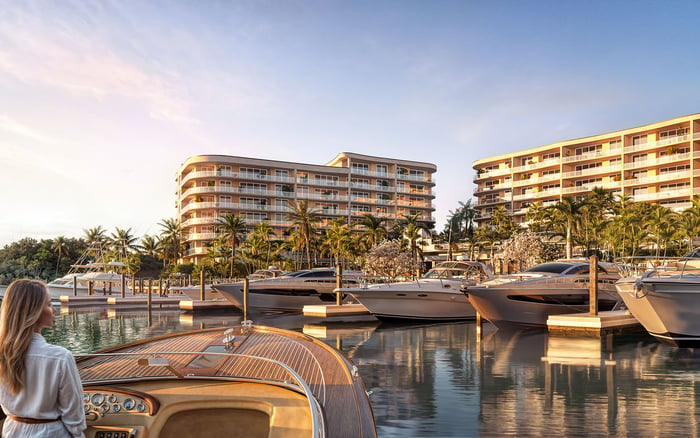
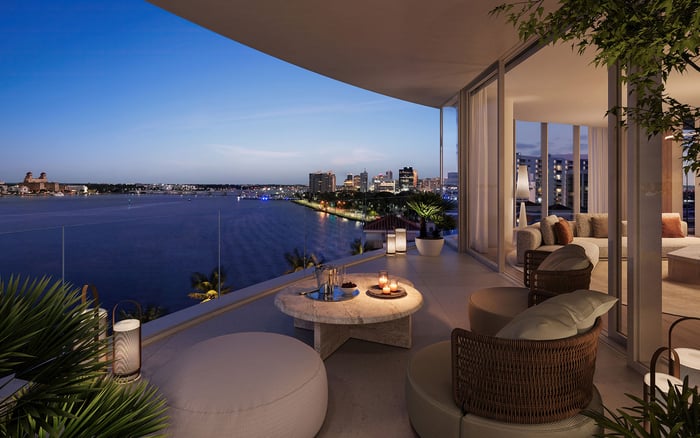
For Palm Beach buyers, hurricane preparedness is also a test of condominium governance. Sound restrictions, elevator procedures, catering cleanup, and resident communication deserve the same scrutiny as a residence’s finishes and views.
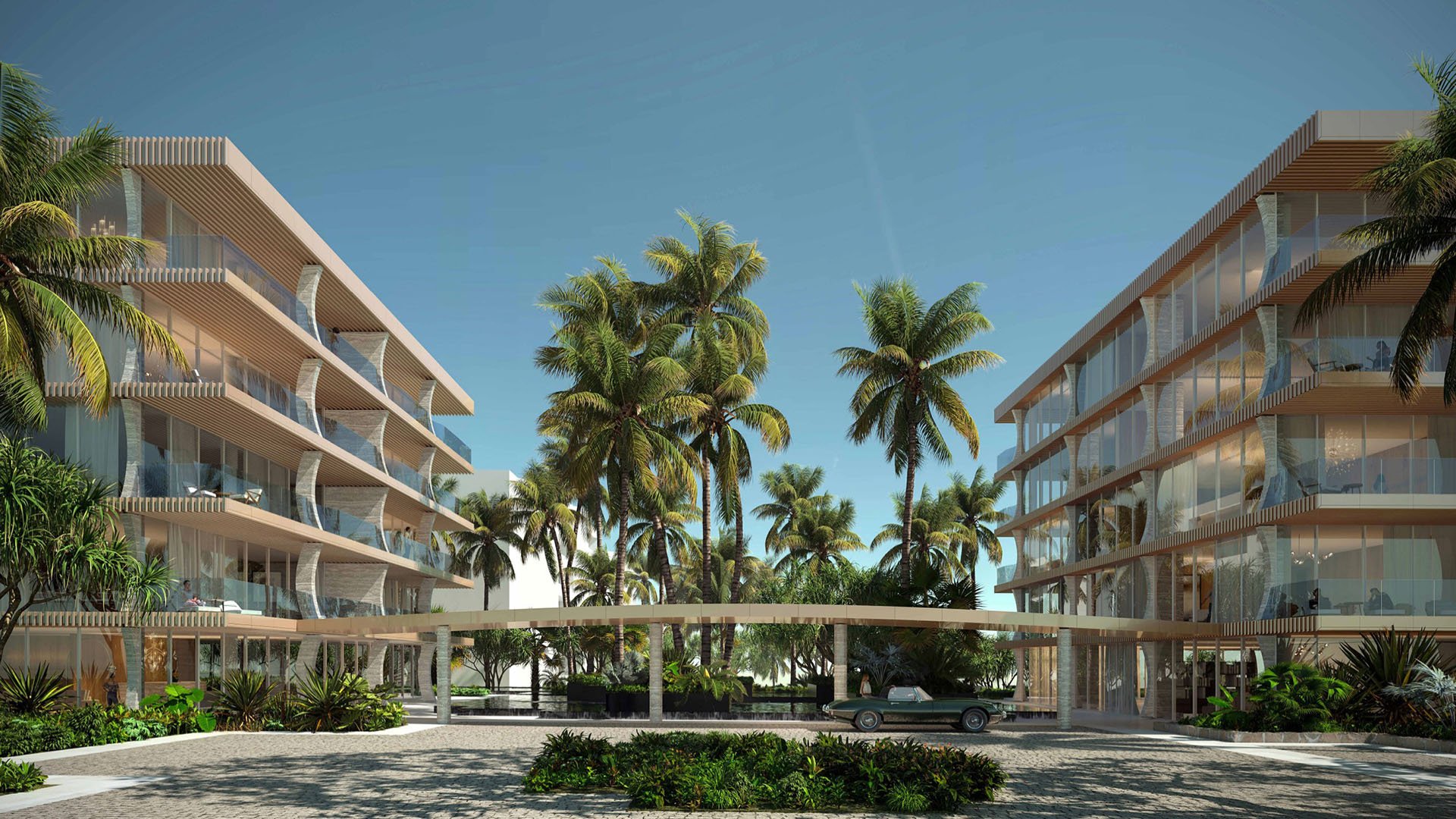
For a Palm Beach buyer, hurricane preparedness belongs alongside architecture, privacy, and service in the purchase conversation. A beautifully appointed residence can still leave practical questions unresolved: who controls elevator access, when entertaining must quiet down, and who takes responsibility after the caterers leave? The 2026 season offers a lens for examining those arrangements-not evidence that particular buildings have experienced storm-related disputes.
A seasonal outlook is not an assurance about an individual South Florida property. The practical conclusion for buyers is straightforward: assess the building’s operating rules independently of the forecast. Focus on the documents and decisions that would affect your household before, during, and after an interruption.
Palm Beach, South Palm Beach, and West Palm Beach should not be treated as a single regulatory or operational setting. Municipal emergency instructions and individual condominium restrictions have different scopes. One association’s rules do not establish the standard elsewhere, even when the residences serve a similar audience.
When considering Alba West Palm Beach, for example, request the applicable governing documents and emergency procedures rather than carrying over assumptions from another waterfront address. This is a diligence recommendation, not a statement about the project’s particular policies.
Request the association’s hurricane-protection specifications and approval procedures. Ask which requirements govern the residence, what authorizations are needed, and who handles preparations when the owner is away. Do not treat a design preference as evidence of written approval.
Elevator convenience has two distinct dimensions: ordinary access and emergency availability. Ask whether the building’s emergency plan calls for elevator shutdowns, what triggers that decision, and how residents are notified. Buyers should not assume normal service will continue simply because they intend to remain home.
Request an explanation of who is responsible for securing equipment and coordinating any required inspections. Treat these as questions for authorized management and qualified personnel, not as tasks for residents to undertake themselves.
Ask who authorizes shutdown and restart, how residents receive updates, and how mobility needs are addressed. Establish how applicable evacuation instructions affect the household’s plan; do not build that plan around assumed elevator availability.
For a buyer evaluating Forté on Flagler West Palm Beach, the question extends beyond elevators’ role in daily life. It is how the applicable procedures address interrupted access and communicate the conditions for restoring it.
For ordinary use, ask how catering deliveries, household moves, and other service trips are scheduled. Request any reservation procedures and ask how management handles competing requests. These are matters to verify, not claims about congestion at the projects discussed here.
Sound restrictions deserve attention before planning a dinner, not after a complaint. Request the current provisions covering music, amplified sound, guest conduct, and nuisance complaints. Ask whether different conditions apply inside a residence and in shared spaces.
The distinction matters for entertaining: music may end before the work does. A late dinner can still leave dishwashing, disposal use, equipment removal, and vendor departures to resolve. Ask whether appliance use or cleanup activity is subject to specific hours, rather than assuming that a quiet dining room means the evening’s obligations are complete.
Check the event and its cleanup timetable against the building’s current requirements. Obtain amendments as well as the original rules, and ask management to clarify ambiguous language before making arrangements. Do not treat another Palm Beach-area building’s schedule as permission for your own.
A polished arrival tells only part of the hosting story. Before purchasing, trace the proposed route for food deliveries, staff, equipment, and waste. Ask for written policies on freight-elevator reservations, service entrances, vendor insurance, guest limits, amplified music, deposits, and waste removal. None should be assumed to be a universal requirement or fee.
For buyers considering Mr. C Residences West Palm Beach, these questions belong alongside the residence itself in the evaluation. Request the applicable arrangements rather than inferring them from a property’s name or presentation.
Ask who is responsible for leaving common areas clean, who confirms that cleanup is complete, and where catering waste may be placed. If outdoor cooking is part of your routine, request the applicable restrictions rather than assuming it is permitted.
Confirm whether equipment collection and waste removal can occur within permitted hours. Consider how you would handle a delayed departure or an interrupted service route without relying on access that has not been approved.
Neighbor relations benefit from clarity about which matters belong with management and which require association action. Before buying, ask how a resident raises a sound concern, how event conditions are communicated, and who handles disagreements over shared-space use. Seek a defined process, not a promise that everyone is considerate.
When comparing Shorecrest Flagler Drive West Palm Beach with other residences, ask the same questions consistently. How are owners notified of access changes? Who communicates with vendors? What happens if an event cannot proceed as planned? The answers should come from the applicable documents and authorized management, not assumptions about neighboring properties.
Before committing, assemble the current rules, amendments, hurricane-protection specifications, emergency plan, and applicable entertaining policies. Reconcile those documents with your actual routine: extended absences, visiting family, mobility needs, evening dinners, and household deliveries.
The objective is not a building without restrictions. It is a residence whose restrictions are clear, workable, and compatible with the way you intend to live. Hurricane season sharpens that distinction: emergency access, ordinary courtesy, and shared responsibility all become part of the same ownership decision.
Explore Palm Beach-area residences with MILLION and make operational fit part of your next property conversation.
If branded residences are on your mind — as a home or as an allocation — we would be glad to share what we are seeing, privately.
Begin a quiet conversationNo. Review the property’s emergency plan and operating procedures independently of the seasonal outlook.
Request current governing rules, amendments, hurricane-protection specifications, emergency procedures, and applicable entertaining policies.
Ask what triggers a shutdown, who authorizes it, and how residents receive notice. Clarify how the plan addresses mobility needs.
Ask who authorizes restoration, what inspections are required, and how management communicates service updates.
Establish how applicable evacuation instructions affect your household’s plan. Do not rely on assumed elevator availability.
Do not assume uniform rules. Obtain the current restrictions for the specific association and confirm how they apply to your intended use.
Yes. Ask whether appliance use, equipment removal, and vendor departures are subject to sound restrictions or permitted hours.
Request written policies covering vendor access, elevator reservations, insurance, guest limits, music, waste removal, cleanup responsibility, and deposits.
Ask who must leave the space clean, who confirms completion, and where waste may be placed. Check whether collection fits permitted access hours.
Ask how concerns are submitted, who handles them, and when association action is required. Seek a defined process rather than informal assurances.