A discreet buyer’s guide to why South Florida yacht owners should evaluate wind mitigation credits, insurance language, and building resilience before committing to a waterfront home.
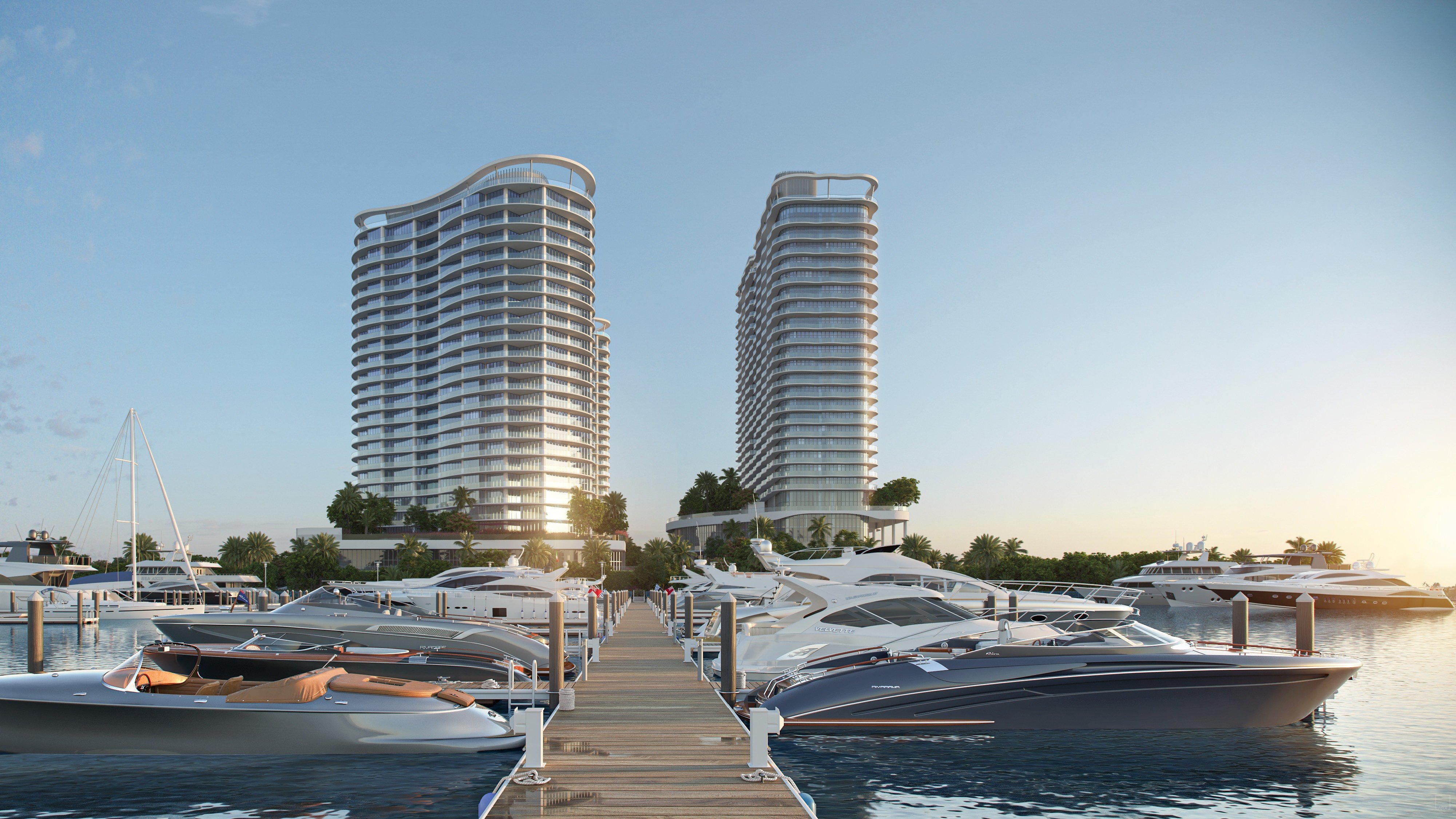
For South Florida yacht owners, the pull of a waterfront address is immediate: morning light over the basin, a tender waiting below, and a clean departure line for a weekend in the islands. Yet even the most polished purchase can lose its elegance when insurance assumptions are left until the final stretch. Wind mitigation credits belong at the center of that conversation because they can shape the cost, clarity, and comfort of ownership long after the closing dinner.
A yacht owner is rarely buying only a residence. The acquisition is often a lifestyle platform, combining private living, water access, service expectations, storm-season planning, and a balance sheet that must remain orderly. That is why the wind profile of the property deserves the same attention as dockage, water depth, parking, security, and view corridor. The question is not simply whether a home is beautiful. It is whether the home’s documented resilience supports the way the owner intends to live.
In a market where buyers compare very different waterfront experiences, the insurance conversation should travel with the search. A client may be weighing a Sunny Isles tower such as Bentley Residences Sunny Isles against a Fort Lauderdale residence such as St. Regis® Residences Bahia Mar Fort Lauderdale, or looking north toward The Ritz-Carlton Residences® Pompano Beach. The addresses may all feel coastal, but the underwriting questions can be highly specific.
Wind mitigation credits are generally tied to documented building features that may reduce wind-related risk. For a buyer, the practical issue is not the label itself. It is the evidence behind it: what has been inspected, what has been certified, what applies to the residence, and what an insurer will recognize.
In luxury real estate, small misunderstandings can become expensive because the numbers are larger and the assets are more complex. A waterfront condominium, a single-family estate, and a branded residence can each present a different document set. The roof, glazing, openings, structural system, shutters, doors, and building envelope may all become part of the review. In a condominium, the association’s master policy and the owner’s individual policy may interact, making the buyer’s diligence more nuanced.
Timing matters. A purchaser who waits until the final days before signing or closing may discover that a quote was based on assumptions rather than completed documentation. A more disciplined approach is to ask early what mitigation information exists, whether it is current, and whether the seller, developer, or association can provide the relevant records. A polished contract strategy gives the buyer room to confirm rather than hope.
Yacht owners think in systems. They understand that a vessel is not evaluated by appearance alone. Hull, engines, electronics, maintenance records, crew practices, berth conditions, and storm plans all shape value. A waterfront residence deserves the same level of review. The home is the center of the lifestyle, but the vessel, dock, marina relationship, access route, and service network are part of the owner’s real exposure.
That is where language can mislead. A search brief might use terms such as Miami Beach, Oceanfront, Marina, or Boat-slip, but those labels do not answer the insurance question. They describe desire. They do not prove mitigation, policy treatment, association responsibility, or future cost stability.
A residence near the water may feel secure because it is new, refined, and professionally managed. Still, the buyer should separate design prestige from insurability. The most relevant questions are practical: what has been documented, what is excluded, who maintains each protective feature, and how quickly any missing documentation can be obtained. When a yacht is involved, the buyer should also understand whether the home purchase and vessel arrangements create separate insurance conversations that need to be coordinated.
For example, a Bay Harbor Islands buyer considering La Maré Bay Harbor Islands may be focused on scale, privacy, and access. Those are valid priorities, but they should sit alongside a review of storm-related documentation. The same discipline applies in Fort Lauderdale, Pompano Beach, Sunny Isles, Miami Beach, and the islands. Waterfront appeal is not a substitute for a clean insurance file.
The first question is whether recent wind mitigation documentation is available for review. If the answer is vague, the buyer should slow down and request clarity. An elegant showing does not replace paperwork. A serious offer should anticipate that insurance review may require time, and that the buyer’s advisor may need to coordinate with an insurance professional before terms become final.
The second question is whether the credit, if available, applies to the specific purchase structure. A condominium buyer should not assume that a building-level feature automatically produces the same result on an individual policy. A single-family buyer should not assume that a prior owner’s information will satisfy a new insurer. In both cases, the credit is useful only if it is recognized in the buyer’s actual coverage scenario.
The third question concerns maintenance. Protective features are not static. Openings, shutters, glazing, roof conditions, and documentation can change over time. For a luxury buyer, the standard should be current and orderly, not merely plausible. If a residence has undergone renovation, the insurance file should be reviewed with special care so that improvements and obligations are understood.
The fourth question is about the offer itself. If insurance terms are material to the decision, the contract should give the buyer a sensible path to verify them. This is not about negotiating from fear. It is about preserving optionality. The most sophisticated buyers do not treat insurance as administrative residue. They treat it as part of asset management.
Many yacht owners prefer condominiums and branded residences because they simplify daily life. Security, service, valet, fitness, dining, and lock-and-leave convenience can be decisive. Yet condominium ownership also means that some elements of the building are outside the buyer’s direct control. That makes document review essential.
The buyer should understand what the association maintains, what the owner maintains, and what records are available. Master policy information, building maintenance history, reserve discussions, renovation rules, and protective systems may all inform the insurance conversation. None of this diminishes the appeal of a premier condominium. It simply brings the purchase into sharper focus.
Consider a buyer comparing a waterfront lifestyle in Fort Lauderdale with the urban water views of Aston Martin Residences Downtown Miami. The lifestyle differences are obvious. The insurance diligence may be less visible, but it is just as important. A buyer should not rely on brand identity, skyline presence, or hospitality-level service as a proxy for wind mitigation documentation.
This is especially important for owners who travel frequently. If the residence is a second home, the ability to make quick decisions during storm season may be limited. Clear documents, known responsibilities, and a capable management structure can make ownership feel quieter, even when the weather is not.
The best time to understand wind mitigation credits is before signing, not after commitment has narrowed the buyer’s choices. A measured approach does not slow the acquisition. It protects the quality of the decision. For yacht owners accustomed to surveys, sea trials, refits, and preventive maintenance, the discipline should feel familiar.
The buyer’s team should coordinate the real estate, insurance, legal, and property management conversations early enough that each can inform the other. If a credit is available, it may improve the ownership profile. If it is not available, the buyer may still proceed, but with open eyes and a clearer sense of carrying cost. Either outcome is better than uncertainty.
Luxury buyers often focus on scarcity: the right exposure, the right slip arrangement, the right building, the right privacy. Wind mitigation credits belong in the same category of precision. They are not glamorous, but they are part of the architecture of confidence. In South Florida, that confidence is a luxury in itself.
Why should yacht owners ask about wind mitigation before signing? Because insurance assumptions can affect the true cost of ownership. Early review helps avoid surprises after the buyer is already committed.
Are wind mitigation credits guaranteed for waterfront homes? No. Credits depend on the property, the documentation, and how an insurer evaluates the specific policy.
Does a newer building automatically qualify for credits? Not automatically. A buyer should confirm what documentation exists and whether it applies to the residence being purchased.
Is this only relevant for single-family waterfront estates? No. Condominium buyers should also understand building-level documents, association responsibilities, and individual policy needs.
Should wind mitigation be discussed before making an offer? Ideally, yes. The earlier the buyer understands the insurance profile, the better the offer can be structured.
Can a beautiful branded residence still require insurance diligence? Yes. Brand, design, and service do not replace documentation related to wind mitigation or coverage.
What should a buyer request from a seller or association? The buyer should request available wind mitigation records, insurance-related documents, and maintenance information relevant to protective features.
Does a boat slip change the insurance review? It can create additional questions. The residence, vessel, dockage, and marina arrangements may involve separate insurance considerations.
Should an insurance professional review the property before closing? Yes. A qualified insurance advisor can help translate documents into practical coverage and cost expectations.
What is the luxury buyer’s main takeaway? Treat wind mitigation as part of asset diligence, not a closing formality. A cleaner paper trail supports a calmer ownership experience.
For a discreet conversation and a curated building-by-building shortlist, connect with MILLION.
If branded residences are on your mind — as a home or as an allocation — we would be glad to share what we are seeing, privately.
Begin a quiet conversation