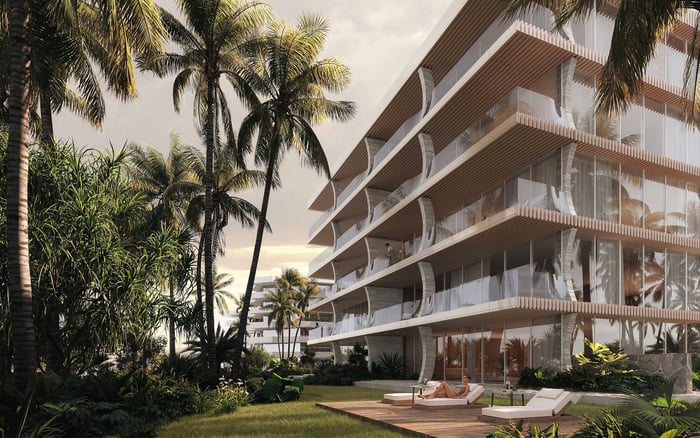
For San Francisco buyers considering Miami Beach, homestead exemption planning should be treated as part of the acquisition strategy, alongside title, timing, household use and long-term residency intent.

For San Francisco buyers looking toward Miami Beach, the conversation often begins with climate, ocean access, private schools, aviation convenience and the extraordinary depth of South Florida's luxury condominium market. Yet the most consequential planning is often less visible: how the buyer intends to use the residence, how title is held and whether the property may qualify as a Florida homestead.
Homestead exemption strategy should not wait until the furniture is installed. For high-net-worth households, it belongs at the same table as estate planning, trust structure, lending, insurance, asset protection and long-term tax posture. The objective is not simply to buy beautifully. It is to ensure the purchase, occupancy pattern and documentation support the life the buyer intends to build in Florida.
That distinction is especially important for West Coast clients. A buyer may know exactly which ocean view, floor height and service model they want, while still needing a clear sequence for residency planning. The right approach begins before contract execution, continues through closing and remains consistent in the first year of ownership.
The central question is deceptively simple: will this Miami Beach property be a true primary residence, or will it function as a second home within a broader portfolio? The answer shapes everything that follows. A residence intended for homestead treatment should be evaluated differently from a seasonal pied-a-terre, investment condominium or family vacation base.
Before signing, buyers should speak with their Florida counsel, tax advisor and estate planning team about title. Many affluent purchasers use trusts, family entities or layered ownership structures for privacy and succession reasons. Those structures may or may not align with the requirements and practical expectations around claiming homestead benefits. The acquisition vehicle should be reviewed before the deposit goes hard, not repaired later at greater complexity.
Timing also matters. Buyers relocating from San Francisco may be balancing a sale, business transition, school year, household staff, art shipment, club memberships and travel. Those lifestyle details are not merely logistical. They help form the pattern of where life is actually centered. If a buyer intends Miami Beach to become home, the calendar should support that intention.
A homestead strategy is not only a legal filing. It is also a lifestyle decision. A building that feels effortless for daily living may support a more convincing primary-residence posture than one chosen only for occasional resort use. Buyers should consider parking, privacy, pet policies, wellness facilities, staff access, walkability, storage, guest accommodations and the ease of receiving family for extended stays.
For some, the most natural fit is a beach-facing condominium with a quieter residential cadence, such as The Perigon Miami Beach. For others, the appeal is a culturally layered address with hospitality-level service and a strong sense of arrival, such as Shore Club Private Collections Miami Beach. The point is not that one building is inherently better for homestead planning. It is that the chosen residence should match the way the buyer will actually live.
A San Francisco household accustomed to neighborhood life may also value proximity to parks, restaurants, schools and the mainland. In that context, Five Park Miami Beach may enter the discussion for buyers who want the Miami Beach address while preserving access to a larger urban routine. Daily-life practicality is often underestimated in trophy acquisitions, yet it becomes central when the property is meant to be home.
Investment thinking does not disappear when a buyer seeks homestead treatment. It simply becomes more nuanced. A primary residence can still be a major capital asset, but the owner should distinguish between a property selected for personal use and one selected primarily for rental yield, short-term flexibility or portfolio optionality.
That distinction is especially important in South Florida, where condominium rules, rental policies and branded service models vary widely. A buyer focused on homestead planning should ask different questions than a pure investor. Is the building comfortable for year-round living? Does the association culture feel residential? Are amenities designed for daily use rather than occasional spectacle? Will the floor plan accommodate work, guests, staff or multigenerational visits without making the home feel temporary?
Some buyers ultimately decide that Miami Beach is the emotional residence while Brickell is the business base. Others prefer a mainland tower with direct access to finance, dining and private clubs. For those studying Brickell as a primary address, The Residences at 1428 Brickell illustrates how a vertical city lifestyle can appeal to relocating buyers who want skyline convenience rather than sand at the doorstep.
The important point is consistency. A buyer's stated intent, actual use, title structure and supporting records should align. If they do not, even a superb property can become an awkward fit for the strategy.
Luxury real estate is often purchased inside a family architecture. There may be multiple residences, adult children, domestic and international assets, charitable planning, operating businesses and privacy considerations. Homestead planning must be coordinated with that architecture rather than handled in isolation.
Buyers should discuss whether the applicant, spouse or family members have existing residency claims elsewhere, and whether any documents conflict with the Florida plan. Driver licensing, voter registration, mailing address, professional records, school enrollment, medical providers and club records can all become part of a broader residency picture. The objective is not theatrical paperwork. It is a coherent life pattern.
For married couples, blended families and trust-based ownership, legal advice is especially important. Florida homestead concepts can intersect with creditor protection, inheritance rights and restrictions on certain transfers. A structure that feels elegant for privacy may be inefficient for homestead purposes. Conversely, a structure that appears simple may not fit the family's estate plan.
A disciplined buyer should ask one question repeatedly: if reviewed later, would this purchase look like the center of our Florida life, or merely one beautiful address among many?
Before claiming homestead treatment, a relocating buyer should complete a private checklist with counsel and advisors. First, confirm that the intended ownership structure is compatible with the strategy. Second, make sure the move timeline, occupancy plan and documentation are consistent. Third, review whether any other property is being treated as the primary residence. Fourth, align insurance, banking, medical, schooling and personal records with the stated plan where appropriate.
Buyers should also keep a clean closing file. Deeds, settlement statements, trust documents, identification records and association materials should be organized. In the ultra-luxury market, where transactions can involve multiple advisors and entities, basic documentation discipline is a form of risk management.
Finally, avoid reducing homestead planning to a single form. The filing matters, but the underlying facts matter more. A buyer relocating from San Francisco to Miami Beach should be able to describe, with clarity and restraint, why this residence is home.
Should San Francisco buyers think about homestead before buying in Miami Beach? Yes. The strategy should be considered before contract signing because title, timing and intended use can all affect the plan.
Is a Miami Beach condo eligible for homestead treatment? A condominium may be considered if it is used and documented as a qualifying primary residence. Buyers should confirm details with Florida counsel.
Can I hold the property in a trust and still pursue homestead planning? Possibly, but the trust structure must be reviewed carefully. Privacy, estate planning and homestead objectives should be aligned before closing.
Does a second home qualify the same way as a primary residence? No. A second-home posture is different from a primary-residence posture and should be planned accordingly.
What documents should buyers organize? Buyers should keep closing records, ownership documents, identification materials and any records that support the intended Florida residency pattern.
Does building selection matter for homestead strategy? Indirectly, yes. A residence that genuinely supports daily life can make the overall residency plan more coherent.
Should rental flexibility be a concern? Yes. If the property is primarily chosen for rental optionality, that may conflict with a primary-residence narrative.
Can a buyer maintain ties to California? Many relocating buyers have ongoing business or family connections elsewhere. Advisors should help ensure those ties do not contradict the Florida plan.
Who should be involved in the planning? Florida real estate counsel, tax advisors and estate planning professionals should coordinate before the purchase structure is finalized.
What is the best way to shortlist comparable options for touring? Start with location fit, delivery status, and daily lifestyle priorities, then compare stacks and elevations to validate views and privacy.
For a tailored shortlist and next-step guidance, connect with MILLION.
If branded residences are on your mind — as a home or as an allocation — we would be glad to share what we are seeing, privately.
Begin a quiet conversation