For Surfside buyers, staffing structure and storm preparation deserve the same scrutiny as finishes and views. Budgets, emergency procedures, access rules, and seasonal labor plans can reveal how reliably a residence will support privacy, service, and second-home ownership.
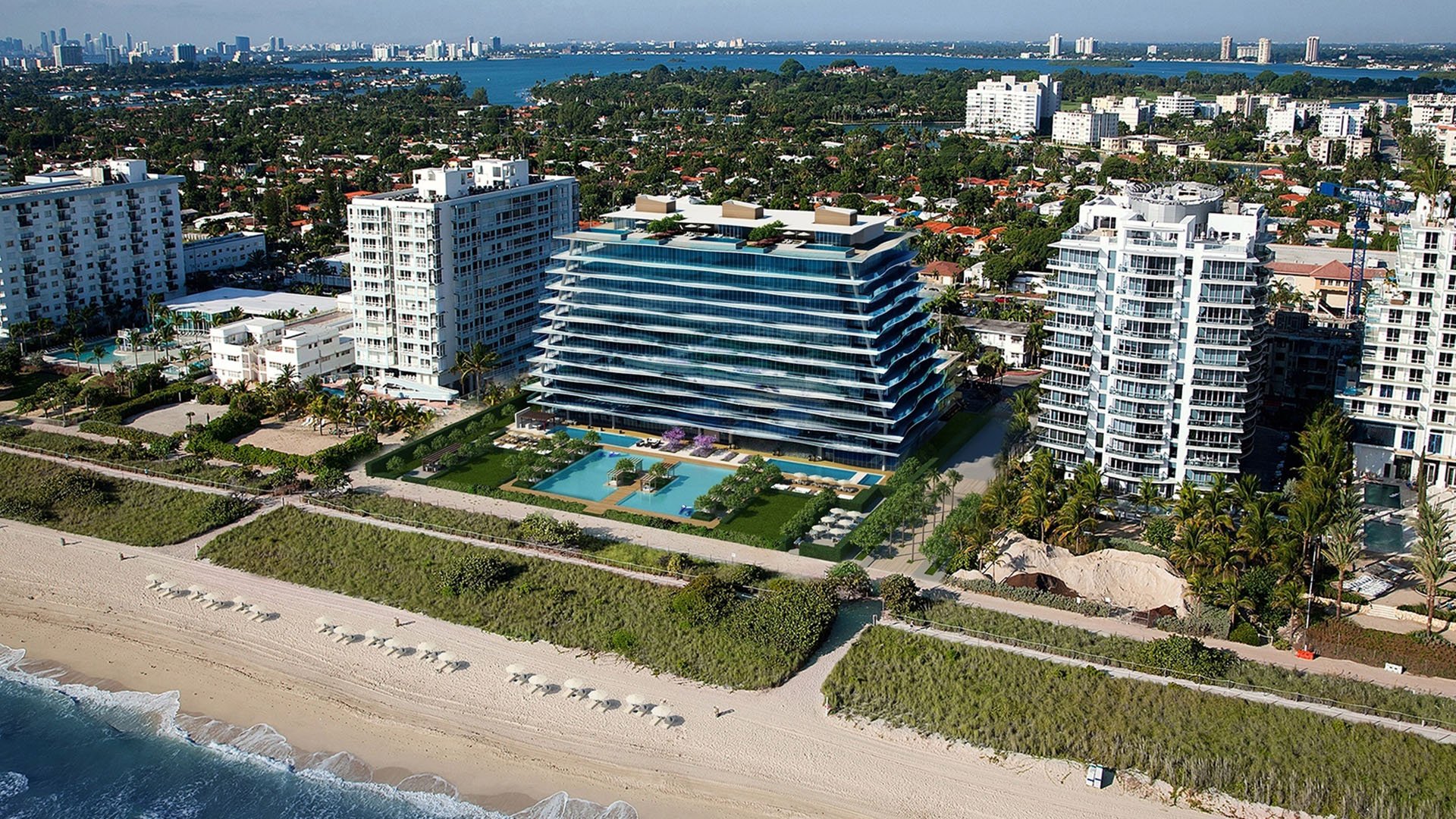
In Surfside, the most consequential luxury may be operational confidence. A residence can offer a compelling oceanfront setting, yet its true lifestyle fit becomes clear only when the owner leaves for several weeks, peak season fills the building, or severe weather demands coordinated preparation.
For buyers, seasonal staffing and storm lock-up planning belong alongside assessments, insurance, reserves, and routine maintenance in any carrying-cost analysis. Labor availability, the balance of permanent and temporary personnel, and the scope of management’s responsibilities can shape both annual expenses and the consistency of hospitality-style service.
This is particularly relevant to a second-home purchase. An owner who is frequently away may value dependable oversight more than an extensive amenity menu. A full-time resident may place greater emphasis on continuity across arrival, valet, concierge, housekeeping coordination, and other guest-facing touchpoints. The right answer is not necessarily the largest staff, but the operating model that best matches how the home will actually be used.
High housing costs across South Florida have made winter-season hiring more difficult for hospitality employers. Service-intensive Surfside properties may face similar regional pressure as demand rises. Persistent vacancies in guest-facing roles can make promised service less consistent, even when the intended standard remains high.
The experience of South Florida’s broader luxury-hospitality market offers useful context, though not Surfside-specific statistics. In Collier County, luxury properties experienced vacancy rates of 12% to 15% in critical guest-facing positions during peak season, while 68% had executive-chef vacancies lasting more than 90 days. The practical lesson is not to apply those percentages to a condominium, but to recognize that prestige does not eliminate labor constraints.
A sound staffing plan draws on historical operating data, market trends, and predictable seasonal cycles rather than expected occupancy alone. Cross-training can help established employees cover multiple functions when demand shifts or a position remains open. Temporary staffing can add flexibility while reducing the cost and risk of carrying a peak-season workforce through quieter months. It can also allow operations to scale without assuming every expense associated with permanent employment.
That flexibility comes with trade-offs. Buyers should ask how temporary personnel are screened, trained, supervised, and granted access. They should also determine whether seasonal payroll, overtime, agency fees, and retention initiatives are reflected in the current budget. For investment analysis, the question is not simply whether staffing costs are high or low. It is whether the assumptions are realistic and the service model is durable.
Privacy in a luxury condominium is partly architectural and partly procedural. When an owner is absent, management may need to coordinate approved vendors or respond to an emergency. Buyers should understand who can authorize entry, how notice is delivered, whether access is logged, and how keys or credentials are controlled.
These questions are especially important when considering boutique Surfside options such as Arte Surfside and Fendi Château Residences Surfside. Their inclusion in a comparison should prompt document-based diligence, not assumptions based on brand, scale, or presentation. Written policies should clearly define the boundaries among building personnel, outside vendors, residence managers, and the owner’s private staff.
Ask whether temporary workers may enter residential floors or units, what supervision applies, and how an owner can restrict standing permissions. A polished service culture should still provide a clear record of consent and accountability.
“Storm lock-up” can mean different things from one property to another. Buyers should not infer that management will prepare an individual residence merely because the building maintains common areas or has an emergency plan. Specific duties, vendor-access rules, in-unit responsibilities, privacy protocols, and potential charges must be verified through governing documents, budgets, management plans, and written emergency procedures.
A useful review separates common-property obligations from those of the owner. It should clarify what happens before a storm, who can enter an unoccupied residence, what authorization is required, and whether any in-unit service is included, optional, or separately billed. The plan should also explain how completion is documented and how owners receive updates.
When evaluating The Delmore Surfside, The Surf Club Four Seasons Surfside, or any other oceanfront residence, request the applicable written materials for that property. A name may suggest a certain service experience, but only current documents can define responsibilities and costs.
This buyer’s guide begins with the annual budget, but it should not end there. Review payroll categories, seasonal adjustments, outsourced labor, and contingency assumptions. Then compare those figures with actual service hours and the building’s explanation of how it handles vacancies.
Next, examine the human layer. Ask about cross-training, temporary staffing, turnover coverage, vendor screening, supervision, and access logs. A lower fixed payroll may reflect efficiency, or it may indicate greater reliance on outside personnel. A larger permanent team may improve continuity, but it can also increase year-round carrying costs. Neither structure is inherently superior.
Finally, test the plan against your calendar. If you arrive during the winter peak, will the service model be under its greatest pressure? If you leave during storm season, who is responsible for the residence, and under what written authority? If privacy is paramount, how many people could potentially access the unit, and what audit trail exists?
The best fit is a building whose budget, staffing structure, access controls, and emergency procedures align with the owner’s needs. In Surfside, operational clarity is not a secondary detail. It is part of the ownership experience.
Why does seasonal staffing matter to a Surfside buyer? Staffing structure can influence annual operating costs and the reliability of hospitality-style service during periods of high demand.
Does a larger permanent staff always deliver better value? No. It may support continuity, but it can also increase year-round payroll. The right model depends on service expectations and patterns of use.
Can temporary staffing reduce carrying costs? It can improve flexibility and limit the need to maintain peak-season headcount throughout quieter periods.
What is the principal privacy question with temporary workers? Buyers should verify screening, training, supervision, access permissions, and whether entry activity is logged.
What should a seasonal staffing forecast consider? Historical operating data, market trends, and predictable seasonal cycles are more useful than expected occupancy alone.
How can cross-training support service continuity? Cross-trained employees can cover multiple functions when demand shifts or a position remains vacant.
Is storm lock-up automatically included in condominium service? It should never be assumed. Confirm the scope, authorization process, responsibilities, and charges in current written documents.
Which storm documents should a buyer request? Review governing documents, the management plan, the budget, written emergency procedures, and applicable vendor-access policies.
How should a second-home owner assess lifestyle fit? Compare the owner’s travel calendar with peak staffing periods, storm responsibilities, access controls, and communication procedures.
What is the most useful final diligence question? Ask management to explain in writing who does what, who pays, who may enter, and how service completion is recorded.
For a discreet conversation and a curated building-by-building shortlist, connect with MILLION.
If branded residences are on your mind — as a home or as an allocation — we would be glad to share what we are seeing, privately.
Begin a quiet conversation