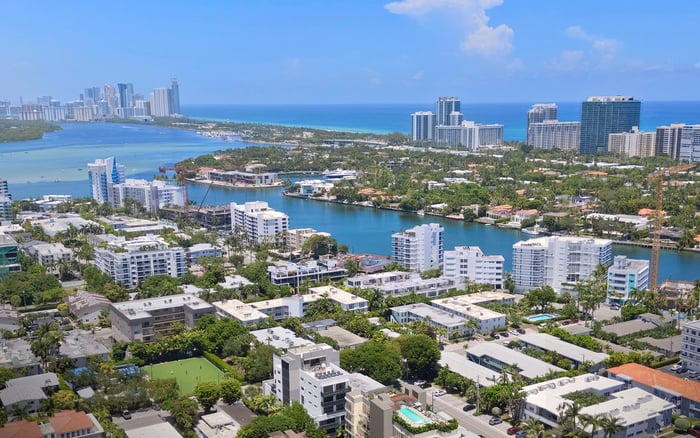
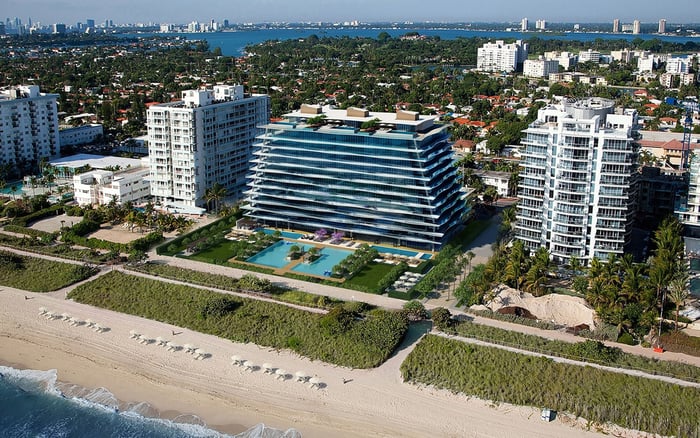
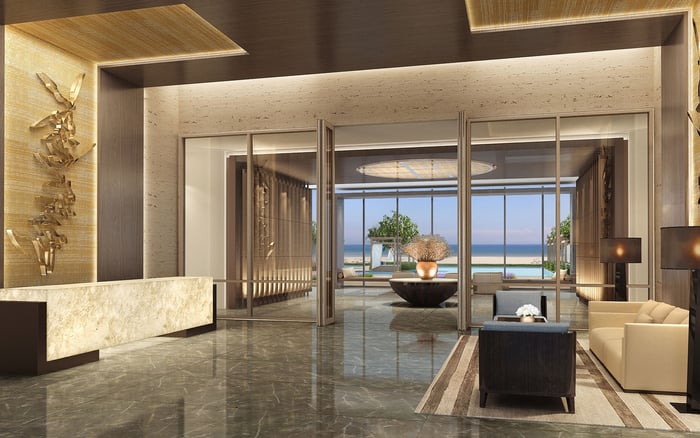
For Bay Harbor shoppers who still want an island address on Biscayne Bay, North Bay Village offers a closely aligned lifestyle premise with a different sense of optionality. This MILLION editorial examines why Tula Residences North Bay Village may appeal to buyers seeking more decision runway, more live inventory around them, and a nearby municipality that remains firmly within South Florida’s luxury waterfront orbit.
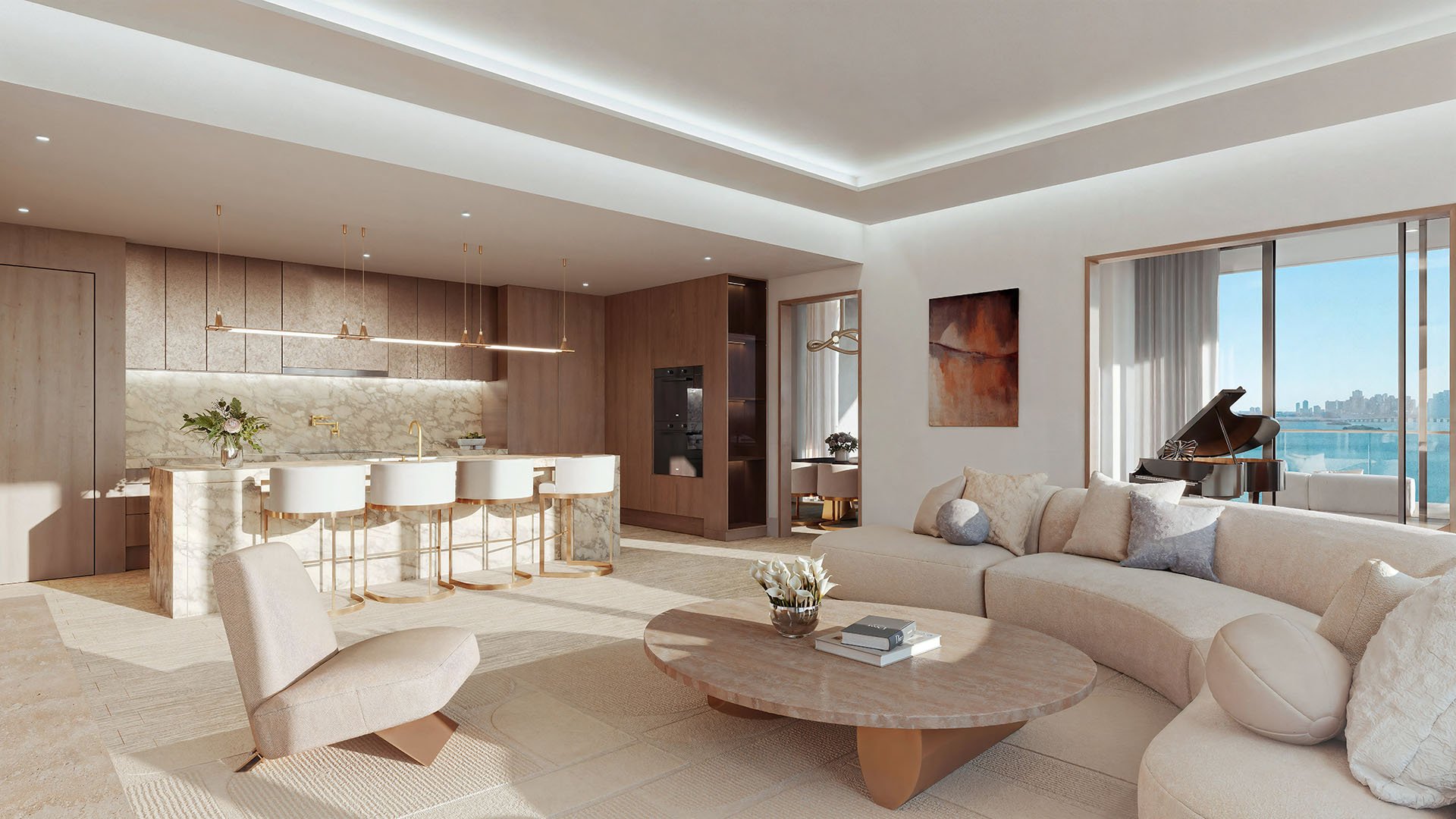
For a certain Bay Harbor buyer, the issue is not whether to leave the waterfront lifestyle. It is whether that lifestyle can be preserved while gaining more room to choose. That is where Tula Residences North Bay Village enters the conversation.
Bay Harbor Islands is a rarefied setting: a compact town of two islands in Biscayne Bay, closely tied to Bal Harbour and Surfside and prized for its polished, established feel. That same intimacy, however, naturally constrains supply. In a market defined by limited land and finite inventory, buyers often find themselves competing not just for the right residence, but for the right timing.
North Bay Village offers a different answer without changing the basic premise. It is also an incorporated island municipality in Biscayne Bay, positioned between Miami and Miami Beach. For buyers who want to remain on the bay, retain that island identity, and avoid moving westward or inland, the geography feels immediately legible. In that sense, Tula is not a radical departure from Bay Harbor thinking. It is an extension of it.
In luxury real estate, runway is often mistaken for price alone. More often, it means optionality.
It can mean having time to evaluate a micro-market with active deal flow rather than waiting for an exceptionally tight pocket to produce the right opening. It can mean enough visible market activity to compare resale opportunities, newer product, and neighborhood direction without abandoning the desire for a water-centric address. It can also mean purchasing in a municipality that still feels as though it has room to evolve, rather than one that has already reached its most compressed form.
That distinction matters. Bay Harbor remains deeply compelling, especially for buyers who want immediate proximity to its established luxury environment. Related projects such as Onda Bay Harbor and The Well Bay Harbor Islands reflect the area’s continued relevance. But for buyers who have looked there long enough to feel the limits of a tightly held island market, North Bay Village can register as a more expansive next move.
The strongest case for North Bay Village is not reinvention. It is continuity.
Both communities are small island environments in Biscayne Bay. Both preserve the psychological appeal many luxury buyers are actually purchasing: the sense of living on the water rather than merely near it. That distinction is subtle, but in South Florida it is decisive. The island condition changes how arrival feels, how views are framed, and how a residence is understood within the broader luxury landscape.
North Bay Village also benefits from an in-between location that many buyers increasingly value. Set between Miami and Miami Beach, it offers access to urban dining, design, and business districts on one side, with beach and resort culture on the other. For buyers who want seamless dual access rather than a single-node lifestyle, that positioning can feel especially well judged.
This is one reason the broader North Bay Village pipeline has drawn interest. Developments like Pagani North Bay Village and Continuum Club & Residences North Bay Village reinforce the idea that the municipality is not an afterthought. It is increasingly perceived as its own luxury waterfront conversation.
Without leaning on speculative details, the most grounded way to understand Tula is through place. The project’s appeal begins with the fact that it is in North Bay Village at all.
For Bay Harbor buyers, that matters more than any single amenity line item. A waterfront development in this setting offers a familiar living proposition: Biscayne Bay, island identity, and a nearby address that still reads as part of the same luxury coastal orbit. The move is not toward a secondary market in the conventional sense. It is toward another small, self-contained bay municipality with its own residential character.
That is why Tula may resonate so strongly with buyers who want more runway. It gives them permission to keep the qualities they value most while widening the frame of what is possible. They are not being forced into a compromise with mainland geography. They are simply considering a neighboring island market that may offer a more dynamic moment.
One of the most practical differences between Bay Harbor Islands and North Bay Village is market visibility. Bay Harbor’s scarcity is part of its allure, but scarcity can also limit the rhythm of opportunity. When inventory is naturally constrained by geography, buyers may spend long periods waiting for a specific fit.
North Bay Village, by contrast, presents as a live residential market with active for-sale inventory and a clearer mix of resale and newer development activity. That does not automatically make it better. It does make it more shoppable.
For sophisticated buyers, that distinction is meaningful. A market with more visible movement allows for sharper comparisons around positioning, timing, and product type. It can also make the search process feel less binary. Instead of deciding whether to seize a rare opening or leave the submarket entirely, buyers can stay within the bayfront thesis while considering a fuller field of options.
In this context, North Bay Village begins to look less like an alternative and more like a strategically adjacent market.
Luxury buyers rarely want to surrender a worldview. They want to refine it.
A Bay Harbor resident or shopper who values discretion, water views, boating adjacency, and the social shorthand of an island address is unlikely to be persuaded by a generic inland substitute. North Bay Village works because it keeps the central language intact. It is still Biscayne Bay. It is still a municipality with its own identity. It still offers a residential experience shaped by water, access, and separation.
That is the deeper logic behind Tula’s appeal. The project can speak to buyers who are not seeking reinvention, only a longer runway for decision-making and future positioning. In an established enclave like Bay Harbor Islands, expansion options are naturally limited. In North Bay Village, the sense of momentum can feel broader.
For buyers who see value not only in current lifestyle, but in the trajectory of a micro-market, that difference carries weight. The municipality’s ongoing visibility in the luxury conversation suggests a neighborhood still defining its next chapter. For some purchasers, that is exactly the opening they want.
Why would a Bay Harbor buyer look at Tula Residences North Bay Village? Because it offers another small-island Biscayne Bay setting without requiring a move inland or far from the coastal luxury corridor.
What does more runway mean in this context? It usually means more optionality: more active market choices, more time to compare, and a municipality with visible forward momentum.
Is North Bay Village a very different lifestyle from Bay Harbor Islands? Not fundamentally. Both are island communities in Biscayne Bay built around a water-oriented residential identity.
Does North Bay Village still feel connected to Miami Beach? Yes. Its position between Miami and Miami Beach is part of what makes it attractive to buyers who want access to both.
Why is Bay Harbor inventory often tight? Its geography is compact, with limited land supply across a small two-island town, which naturally restricts expansion.
Is Tula’s appeal mainly about amenities? The strongest case is geographic. Its resonance begins with being a waterfront project in North Bay Village, near the same bay-centric lifestyle Bay Harbor buyers already value.
Does North Bay Village have enough market activity to compare options? It can feel more shoppable because buyers may see a broader mix of resale and newer development activity within the municipality.
How does North Bay Village compare with an inland alternative? It preserves the island psychology and bayfront premise that many luxury buyers are reluctant to give up.
Could North Bay Village appeal to second-home buyers too? Yes. Buyers who want a concise island address with strong connectivity may find the setting compelling for part-time use.
Who is the most likely buyer for Tula? Someone who likes Bay Harbor’s sensibility but wants a nearby market with more flexibility, more choice, and a sense of evolving opportunity.
When you're ready to tour or underwrite the options, connect with MILLION.
If branded residences are on your mind — as a home or as an allocation — we would be glad to share what we are seeing, privately.
Begin a quiet conversation