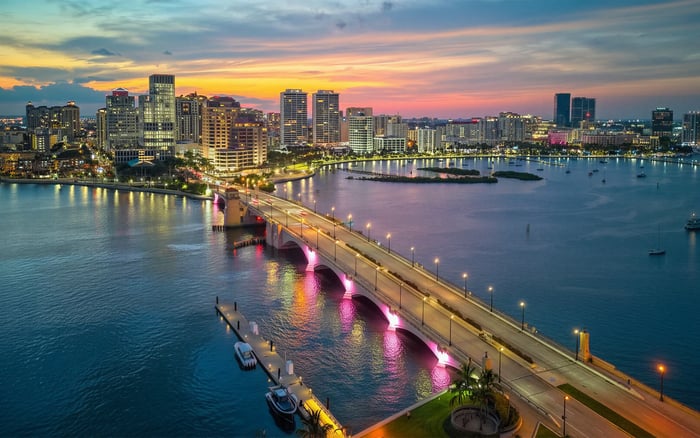
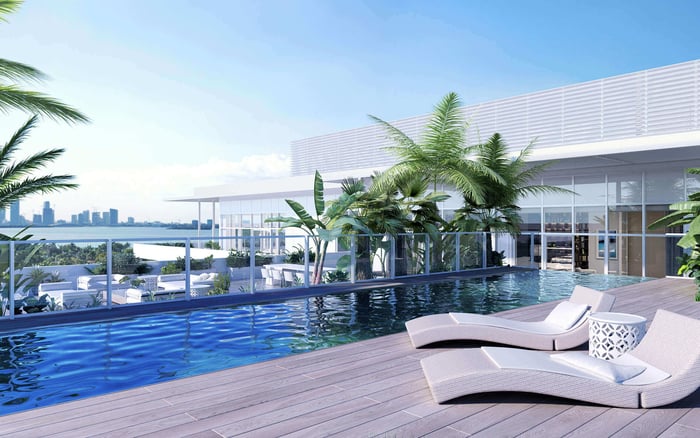
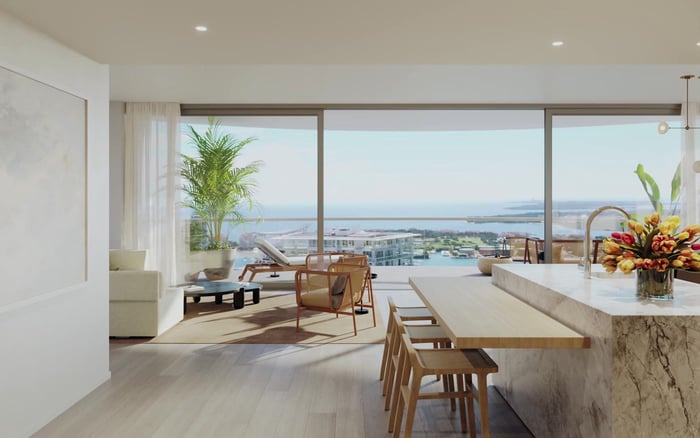
For a meaningful segment of South Florida’s luxury market, Intracoastal frontage offers a more compelling balance than direct ocean exposure. The trade is not about diminishing beachfront prestige. It is about choosing calmer water, practical dockage, more privacy, and a potentially easier long-term ownership profile while preserving the visual romance of a waterfront address.
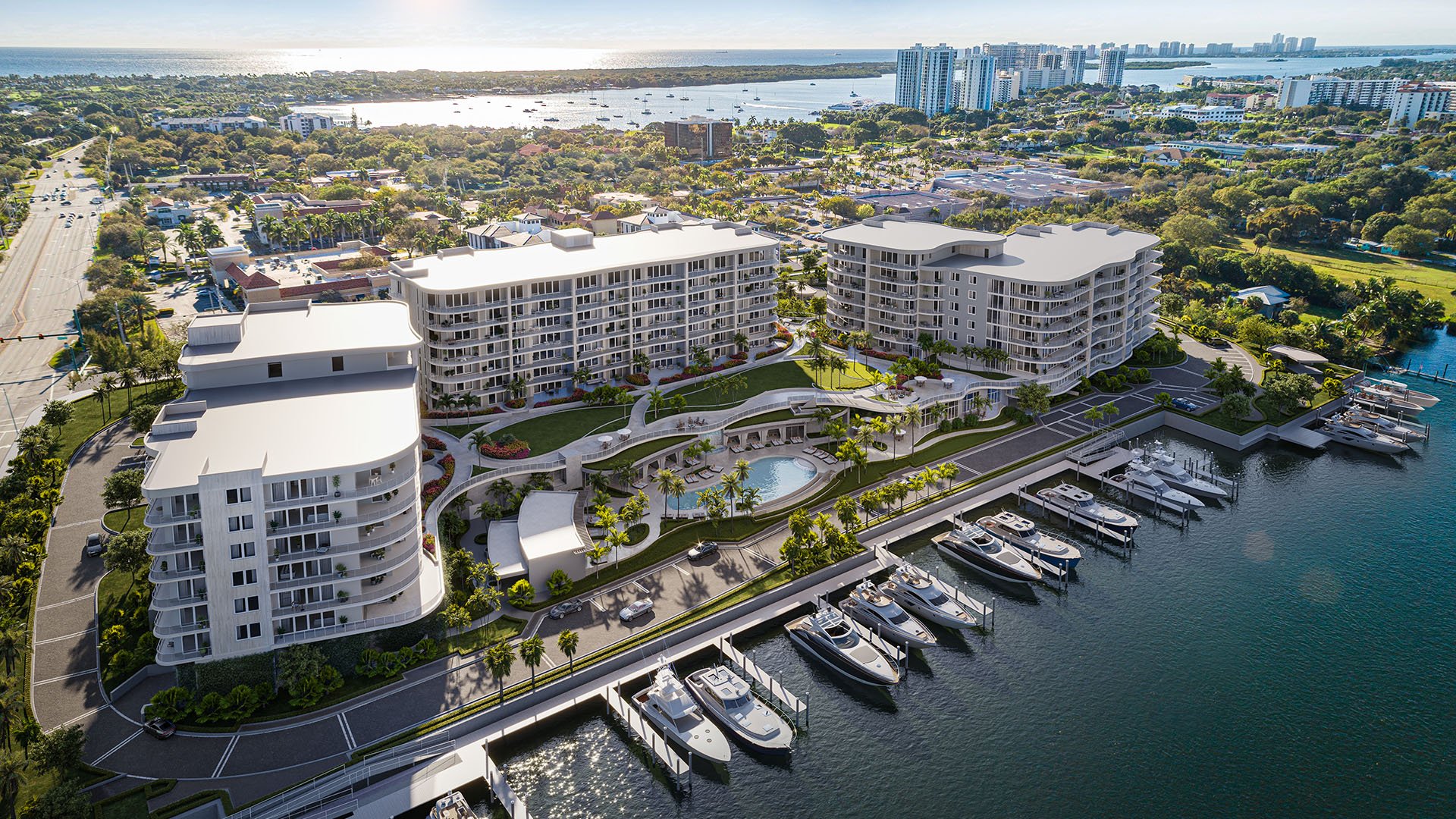
In South Florida, oceanfront real estate still occupies a rarefied place in the imagination. It offers uninterrupted horizon lines, immediate beach adjacency, and the kind of status that has long defined trophy coastal ownership. Yet among sophisticated buyers, especially those balancing lifestyle with long-term stewardship, another preference has become increasingly clear: Intracoastal frontage.
This is not a rejection of the ocean. It is a more selective expression of waterfront living. For many purchasers, the ideal address is not the parcel most exposed to surf, sand, and wind, but one that preserves the water view while introducing calmer conditions, practical dockage, greater privacy, and less operational friction.
That calculus is especially relevant in markets where boating is woven into everyday life. In neighborhoods spanning Aventura, Fort Lauderdale, Miami Beach, and West Palm Beach, the difference between living beside the Atlantic and living on protected water can shape everything from insurance considerations to how often an owner actually uses the waterfront.
The most immediate advantage of Intracoastal frontage is straightforward: the water tends to be more functional. Calm conditions generally make day-to-day boating, paddleboarding, and family watersports easier than on the open Atlantic, where surf and wind can be less predictable. For owners with yachts, tenders, or sport boats, a private dock on sheltered water often matters more than the abstract prestige of looking directly onto the ocean.
This is why certain buyers gravitate toward bayfront and inland waterfront product even when they could pursue a classic oceanfront address. The ability to step from residence to boat without contending with surf exposure is a real luxury, not a secondary one. It transforms the waterfront from scenery into infrastructure.
That distinction is visible across South Florida’s newer inventory. In Brickell, Una Residences Brickell speaks to buyers who want elegant waterfront living with strong marine access to Biscayne Bay. In North Bay Village, Continuum Club & Residences North Bay Village reflects the same instinct: a water-centric lifestyle framed by more protected conditions than a direct beachfront site typically provides.
Oceanfront homes in Florida face the highest wind and storm-surge exposure. By contrast, bays, canals, and Intracoastal settings can benefit from a degree of protection through barrier islands and inland positioning. For buyers thinking beyond aesthetics, that distinction has become part of acquisition strategy.
Sea-level rise, tidal flooding, erosion, and saltwater intrusion are no longer abstract environmental talking points. They are factors increasingly shaping how buyers assess long-term hold quality. The result is not a wholesale retreat from the shoreline, but a sharper differentiation within the waterfront category itself. The most exposed parcel is not always the most desirable once resilience enters the conversation.
Protected coastal ecosystems can reinforce that appeal. In settings where mangroves and sheltered shoreline conditions help buffer wave energy, waterfront ownership can feel incrementally more defensible over time. For purchasers focused on wealth preservation, that psychological comfort matters.
This is one reason some buyers are as interested in bay-oriented luxury as they are in direct beachfront towers. Projects like Villa Miami and Onda Bay Harbor resonate with clients who want water views and prestige, while also valuing a setting that feels more measured in relation to the elements.
One of the least discussed distinctions between oceanfront and Intracoastal living is privacy. Direct beach exposure is undeniably glamorous, but beach frontage in Florida does not necessarily function as wholly private territory. Even extraordinary homes and branded residences can sit behind active public shoreline circulation.
For some buyers, that reality diminishes the sense of seclusion they expect at the highest end of the market. Intracoastal frontage can answer that concern. A home or residence facing protected water often experiences less public shoreline traffic and a quieter visual field, making everyday living feel more discreet.
This is especially attractive to owners who value low-visibility luxury over performance luxury. They are not necessarily seeking the loudest statement on the coast. They are seeking a residence where water, light, and privacy coexist with fewer interruptions.
In the ultra-premium market, purchase price commands attention, but carrying costs often determine satisfaction. Waterfront buyers are increasingly attentive to insurance, maintenance, and weatherproofing because the differential between one kind of exposure and another can compound over time.
Higher-risk coastal exposure generally leads to higher premiums and tougher underwriting. Ocean-facing buildings and homes also contend with more direct salt air, blowing sand, and wave-driven wear. That means corrosion can accelerate, finishes can fade faster, and exterior elements may require more frequent restoration.
By comparison, reduced salt-spray exposure is one of the quieter advantages of Intracoastal ownership. It does not eliminate maintenance, but it can soften the pace at which the environment works against a property. For buyers focused on preserving both the asset and the ease of ownership, that matters.
This dynamic helps explain why some purchasers see stronger value in waterfront settings that are not fully ocean-exposed. The lifestyle remains elevated, the views remain compelling, but the long-term operating profile may be more manageable.
Another reason Intracoastal frontage wins converts is that it often occupies a sweet spot between prestige and practicality. Many buyers view it as a lifestyle compromise in the best sense: retaining the water, the light, and the arrival experience while adding direct dockage and reducing some of the friction associated with the ocean’s edge.
In some South Florida submarkets, that can translate into a stronger price-to-lifestyle equation. Buyers may secure a highly desirable waterfront address, generous views, and boating functionality without paying the full premium commanded by the most trophy-grade beachfront assets.
That logic is increasingly persuasive for second-home purchasers and legacy buyers alike. They are less interested in owning the most obvious waterfront and more interested in owning the one they will use most fully.
None of this diminishes the singular appeal of direct ocean exposure. For many buyers, the unobstructed Atlantic vista remains the purest expression of coastal luxury. The sensory experience is incomparable, and buildings such as The Perigon Miami Beach embody exactly why the category retains its power.
But preference at the top of the market is rarely absolute. It is situational. A buyer who wants sunrise drama, direct beach access, and iconic status may still choose the ocean every time. A buyer who keeps a vessel, values calm water, wants fewer privacy compromises, and thinks carefully about long-term carrying friction may choose the Intracoastal with equal conviction.
That is why this conversation is better understood as a refinement of luxury priorities rather than a hierarchy of worth. In South Florida, both waterfront experiences are elite. They simply serve different definitions of ease.
When affluent buyers choose Intracoastal frontage over direct ocean exposure, they are often selecting a more livable form of waterfront prestige. They want views, but also access. They want glamour, but also discretion. They want beauty, but also a setting that feels more resilient and less demanding over time.
For some, that means a dock behind the residence matters more than sand in front of it. For others, the quieter water, reduced public interface, and potentially softer maintenance profile make the decision feel obvious. The most sophisticated purchases in South Florida are often made not by chasing the most dramatic feature, but by understanding which version of luxury will perform best in daily life.
Is Intracoastal frontage less prestigious than oceanfront? Not necessarily. Many buyers see it as a different expression of luxury rather than a lesser one.
Why do boat owners often prefer Intracoastal properties? Protected water and private dock potential can make everyday boating easier than on surf-exposed oceanfront sites.
Are Intracoastal homes generally easier to maintain? They can be, because reduced salt spray and less direct surf exposure may lessen exterior wear over time.
Does oceanfront still carry strong emotional appeal? Yes. Unobstructed views, beach access, and status still make direct ocean exposure highly desirable.
Is privacy often better on the Intracoastal? Often, yes. Protected-water settings are typically less affected by public shoreline activity than direct beachfront properties.
Do insurance considerations influence this choice? Yes. Buyers often compare exposure, underwriting complexity, and long-term premiums across waterfront types.
Is Intracoastal living appealing for families? For some households, yes. Calmer water can feel more comfortable for boating, paddleboarding, and casual watersports.
Does this preference show up across South Florida? It is especially relevant in boating-oriented areas where marine access is central to the lifestyle.
Are buyers moving away from oceanfront altogether? No. Most are weighing trade-offs rather than rejecting oceanfront ownership outright.
What is the core reason some affluent buyers choose the Intracoastal? It often comes down to combining water views, dockage, privacy, and a potentially easier ownership profile.
For a tailored shortlist and next-step guidance, connect with MILLION.
If branded residences are on your mind — as a home or as an allocation — we would be glad to share what we are seeing, privately.
Begin a quiet conversation