A discreet buyer’s guide to the parking questions family purchasers should raise at Alba West Palm Beach, with emphasis on multi-car use, documentation, daily ease, and long-term value.
For a family buyer, parking is not a secondary operational detail. It shapes how a residence functions every morning, every evening, and every time guests arrive. At Alba West Palm Beach, the conversation deserves particular attention because multi-car use can affect both daily livability and future buyer confidence.
Even the right residence can lose some of its practical elegance if the parking arrangement does not suit the household. A family considering more than one vehicle should not treat parking as a closing-stage question. It belongs early in the process, alongside floor plan, view, outdoor space, storage, and monthly ownership costs.
The essential point is simple: before comparing residences, understand exactly what parking rights come with each option and what can be secured beyond the base allocation. A West Palm Beach purchase decision should feel graceful not only inside the home, but also at arrival.
The first question is whether a residence includes one space, more than one space, or a right to use parking under a specific arrangement. Family buyers should ask whether spaces are deeded, assigned, licensed, valet-managed, or otherwise controlled by the relevant documents. Those distinctions can matter when comparing two similar residences.
A deeded or specifically assigned space may carry a different ownership feel than a more flexible managed arrangement. A valet-forward experience may suit some households beautifully, while others may prefer direct access to each vehicle. The goal is not to assume one model is superior. The goal is to understand what is promised, what is documented, and what depends on future building operations.
Buyers should also clarify whether additional spaces can be purchased, leased, transferred, or requested through an association process. If a family expects two or more vehicles, this question can be as important as the view corridor.
There is a meaningful difference between having the right to park multiple cars and having a daily routine that works smoothly. Family buyers should ask how vehicles are accessed, whether spaces are side by side, separated, tandem, mechanical, valet-controlled, or subject to timing requirements.
If the household has different schedules, direct access can matter. If one vehicle is used only on weekends, a less immediate arrangement may be acceptable. If the residence may function as a second home, the buyer may prioritize security, predictable access, and clear guest instructions over daily commuting convenience.
Practical questions are valuable because they reveal friction before it becomes a lifestyle issue. Who retrieves the car? Where does a rideshare or school pickup wait? Can a guest arrive without disrupting the household’s own vehicles? These questions do not require assumptions about the building. They require clear answers from the purchase process and governing documents.
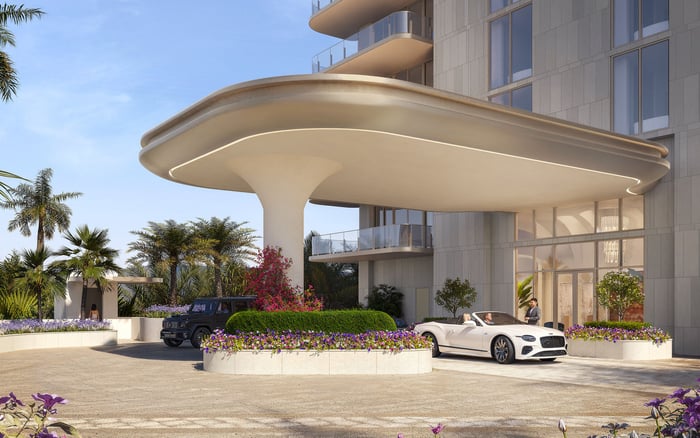
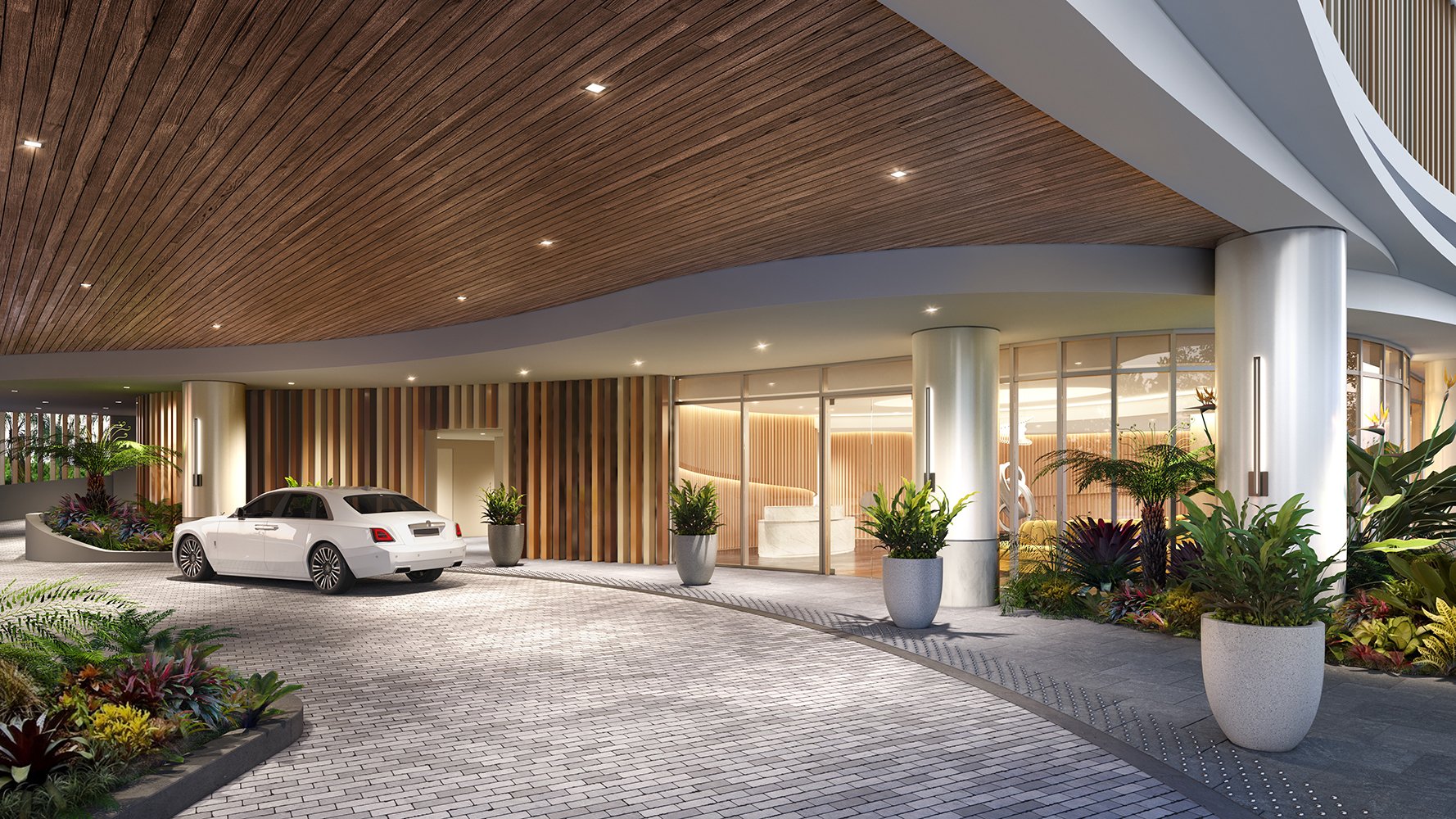
Parking is part of the rhythm of ownership. Buyers often focus first on layout, light, finishes, and outdoor space, but the daily experience begins before the front door opens. The garage, valet protocol, guest arrival area, and transition from car to residence all influence how the home feels in actual use.
For families, the question is not only where the vehicles go. It is whether the parking plan supports children, luggage, visiting relatives, groceries, sports gear, and the many small movements that define domestic life. A polished residence should also feel easy when the household is moving quickly.
This is why multi-car planning should be tested against real routines. A buyer should consider weekday departures, weekend returns, guest arrivals, school schedules, service appointments, and airport luggage. Parking that looks sufficient on paper should also work in motion.
Family buyers should ask to review the documents that define parking rights. The most important items are the purchase agreement language, governing documents, rules and regulations, any parking exhibit, and any written confirmation that describes included or optional spaces.
Verbal assurances can be useful for understanding intent, but the documents should carry the final weight. Ask whether parking rights transfer with resale, whether spaces can be separately transferred, and whether operating procedures can be modified. If a second or third space is essential, the buyer should seek written clarity before deposits become difficult to unwind.
The same discipline applies to electric vehicle charging. Rather than assuming availability, ask whether charging is installed, permitted, planned, separately metered, or subject to approval. If charging is important to the household, it should be evaluated as part of the parking package, not as an afterthought.
Parking is part of investment quality because it affects both utility and future buyer confidence. A residence with a strong multi-car arrangement may appeal to a wider set of future purchasers than a similar residence with uncertain or limited vehicle access. That does not mean parking should outweigh architecture, views, service, or location. It means parking should be priced into the decision with the same seriousness.
If additional spaces are limited, the buyer who secures the right fit early may avoid compromise later. If parking is flexible but not guaranteed, the buyer should understand how that flexibility works and whether it aligns with family needs.
The most refined purchase is one where beauty and logistics reinforce one another. At Alba West Palm Beach, families should make parking part of the broader livability review, together with floor plan, privacy, amenity use, and ownership horizon.
Before selecting a residence, prepare a direct parking checklist. How many spaces are included? Are they deeded, assigned, valet-based, or otherwise defined? Can additional spaces be acquired? Are there guest spaces or guest procedures? Are there limits on vehicle size? How are deliveries, temporary stops, and visiting family handled?
Also ask whether parking terms differ by residence type. If larger homes have different allocations, that may affect the value comparison between floor plans. If the household expects long-term ownership, ask how parking rights work on resale. If the purchase is partly lifestyle and partly investment, ask which parking features may be most legible to future buyers.
The right answer is not universal. A family with one primary vehicle and frequent guests may prefer a different arrangement than a family with several daily drivers. What matters is fit, documentation, and ease.
Why should family buyers ask about parking early at Alba West Palm Beach? Parking affects daily livability, especially when more than one vehicle may be used. It should be evaluated before a buyer becomes attached to a particular floor plan.
What is the first parking question to ask? Ask how many spaces are included with the residence and how those rights are documented. The answer should be specific rather than assumed.
Should buyers ask whether spaces are deeded or assigned? Yes. Deeded, assigned, licensed, and managed parking arrangements can create different ownership and resale implications.
Can a buyer assume additional spaces will be available? No. Additional parking should be confirmed in writing, including whether spaces can be purchased, leased, or requested through a building process.
Does valet parking solve multi-car concerns? It can, depending on the household’s routine, but buyers should understand access times, procedures, and how multiple vehicles are handled.
Why does arrival planning matter for families? Arrival planning affects children, guests, groceries, luggage, and daily schedules. A parking arrangement should support the way the household actually moves.
Should electric vehicle charging be discussed? Yes. Buyers should ask whether charging exists, is allowed, is separately metered, or requires approval.
How can parking affect future resale? Clear and useful parking rights can make a residence easier for future buyers to understand. Uncertainty can create negotiation friction.
What documents should buyers review? Review the purchase agreement, governing documents, parking exhibits, and rules that govern use, transfer, and building procedures.
What is the best way to compare two residences at Alba West Palm Beach? Compare views, layout, and finish together with the exact parking package. The better home is the one that fits both lifestyle and logistics.
For a tailored shortlist and next-step guidance, connect with MILLION.
If branded residences are on your mind — as a home or as an allocation — we would be glad to share what we are seeing, privately.
Begin a quiet conversation