In Bay Harbor Islands, buyers should evaluate a condominium’s rental framework and operating environment alongside its asking price. Lease provisions, access procedures, nuisance controls, common-area upkeep, budgets, and reserves can influence whether a residence suits an income, second-home, or lifestyle objective.
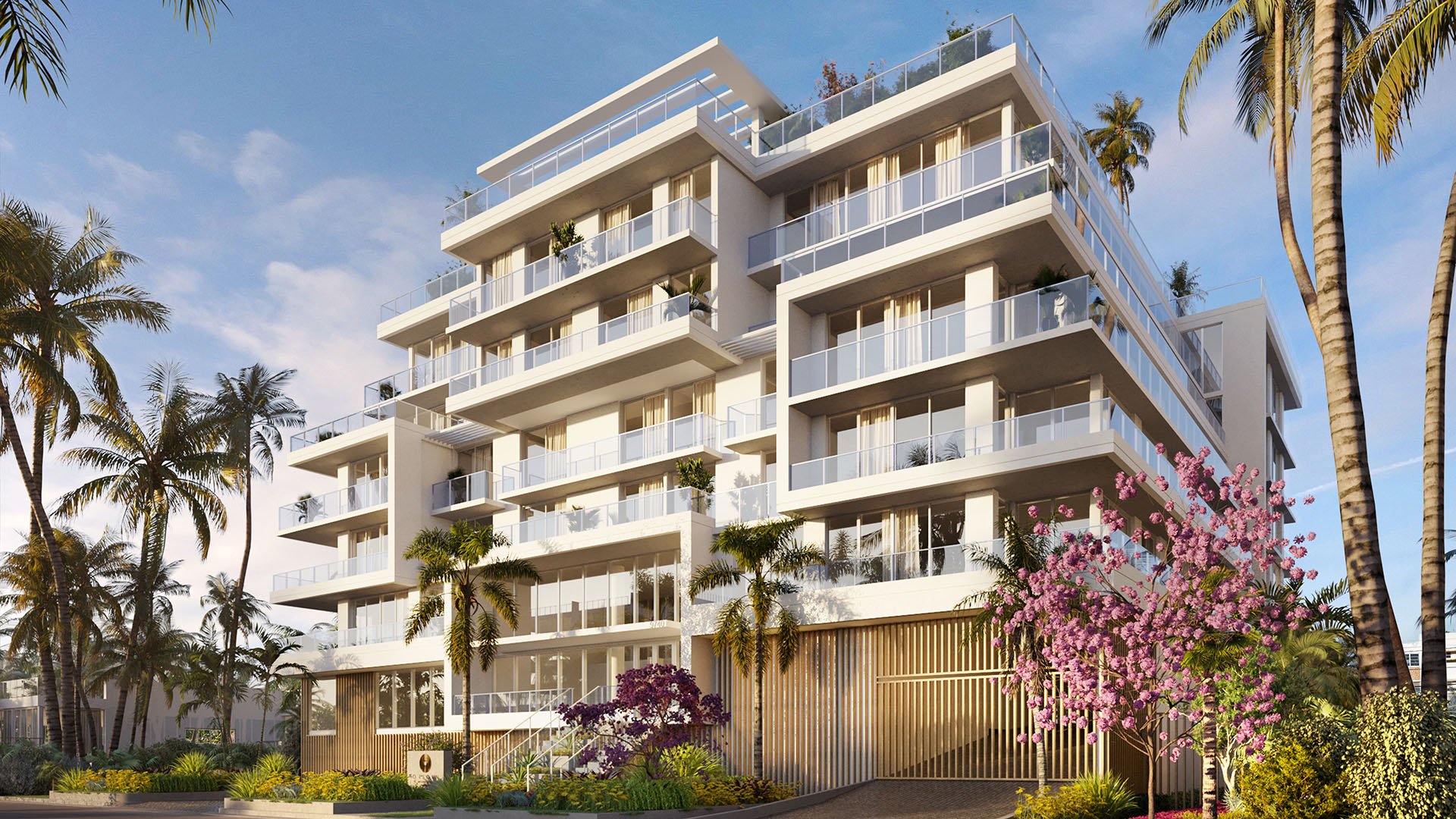
In Bay Harbor Islands, an asking price does not reveal whether a condominium’s rental framework, management practices, or shared environment will suit a buyer’s objectives. A complete comparison should consider the intended use of the residence and the building documents that govern leasing, guests, access, amenities, and conduct.
Rental flexibility may appeal to an income-focused buyer, while tighter controls may better suit someone prioritizing privacy and a more residential atmosphere. Neither approach should be valued in isolation. The relevant question is whether the building’s rules and operations align with the buyer’s strategy.
Buyers should not assume that a preferred leasing schedule is permitted. The declaration, bylaws, rules, rental addenda, application procedures, and written guidance from the association should be reviewed before rental income is incorporated into a valuation.
Key points to confirm include minimum lease duration, leasing frequency, approval procedures, occupancy limits, guest registration, amenity access, and any restrictions on advertising or transient use. Legal or property-management guidance may be appropriate when the documents are unclear.
When comparing Alana Bay Harbor Islands and Onda Bay Harbor, buyers can use the same diligence framework for each opportunity rather than relying on assumptions based on project positioning or asking price.
A buyer considering rental flexibility should examine how a building handles guest arrivals, access credentials, deliveries, amenity use, and after-hours concerns. The existence of written rules is only one part of the analysis; management procedures and consistent administration also deserve attention.
Noise should be evaluated as an ownership issue rather than a minor inconvenience. Buyers can ask how complaints are reported, which conduct rules apply to residences and shared spaces, and whether meeting minutes identify recurring concerns. This review helps clarify whether the building’s operating culture fits the desired lifestyle.
Lobbies, elevators, corridors, pools, fitness areas, docks, and other shared facilities may require ongoing maintenance regardless of the building’s rental policy. Buyers should assess whether budgets, reserves, maintenance plans, and pending projects appear compatible with the property’s operating demands.
For a rental-oriented purchase, projected revenue should be considered together with association dues, management costs, upkeep, and possible assessments. For a second-home or primary-residence purchase, the condition and availability of shared spaces may carry equal importance.
A comparison of La Maré Bay Harbor Islands and The Well Bay Harbor Islands can therefore extend beyond residence features to the documents, costs, and procedures associated with each ownership opportunity.
Request the declaration, bylaws, current rules, rental provisions, budget, reserve materials, recent meeting minutes, insurance information, and notices concerning assessments or capital work. Read these materials together because a leasing provision may interact with guest policies, amenity rules, or approval procedures found elsewhere.
Questions for management should be specific and submitted in writing where possible. Ask how lease applications are processed, how access credentials are issued, how complaints are handled, and which costs are the owner’s responsibility. Buyers should also verify that any projected rental model reflects the governing documents and anticipated ownership expenses.
The strongest choice is not automatically the residence with the lowest asking price or the broadest perceived rental flexibility. It is the residence whose documented rules, financial structure, and operating environment best support the buyer’s intended use.
Why can rental rules matter more than the asking price? They can determine whether the buyer’s intended leasing strategy is viable and whether projected income assumptions deserve a place in the valuation.
Which documents should a buyer review first? Start with the declaration, bylaws, current rules, rental addenda, budget, reserve materials, meeting minutes, and assessment notices.
Should projected rental income be accepted at face value? No. It should be tested against written leasing provisions, approval procedures, occupancy limits, and anticipated ownership costs.
How should a buyer evaluate noise controls? Review the conduct rules, complaint procedures, and meeting minutes, then ask management how concerns are administered.
Why are access procedures relevant to a purchase? Guest registration, credentials, deliveries, and amenity entry can shape both convenience and the building’s residential atmosphere.
Which shared spaces deserve attention during diligence? Consider the condition and management of lobbies, elevators, corridors, pools, fitness areas, docks, and other common facilities.
How do reserves relate to common-area wear? Reserve materials can help a buyer evaluate how the association plans for major repair and replacement needs.
What should an income-focused buyer ask management? Ask about lease applications, guest procedures, access credentials, owner responsibilities, and the administration of rental rules.
Can tighter rental controls suit some buyers? Yes. A buyer prioritizing privacy or a residential atmosphere may prefer a building whose documented policies support those objectives.
What is the central comparison for a Bay Harbor Islands buyer? Compare each residence’s price with its governing documents, ownership costs, shared environment, and compatibility with the intended use.
To compare the best-fit options with clarity, connect with MILLION.
If branded residences are on your mind — as a home or as an allocation — we would be glad to share what we are seeing, privately.
Begin a quiet conversation