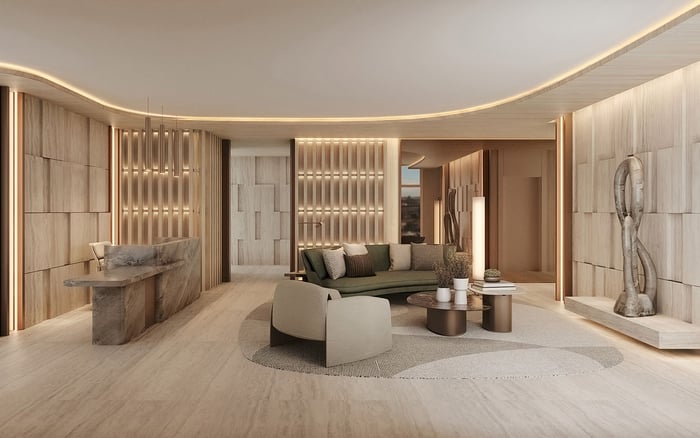
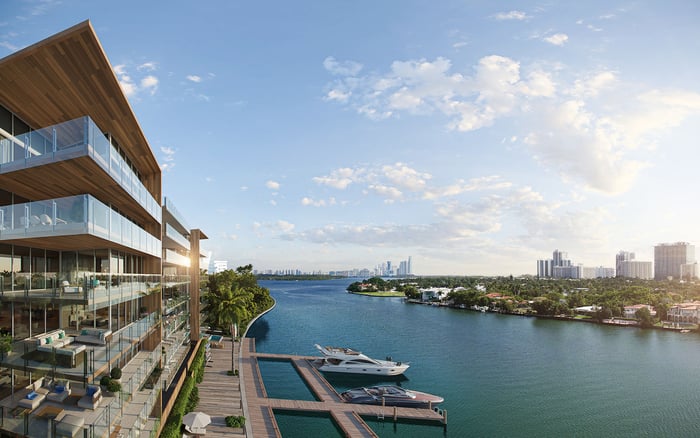
Buyers evaluating La Maré Bay Harbor Islands should distinguish access to private dining and spa spaces from the labor, supplies, reservations, and vendor services that may activate them. Governing documents, budgets, rules, and fee schedules should determine how those choices enter an ownership-cost model.
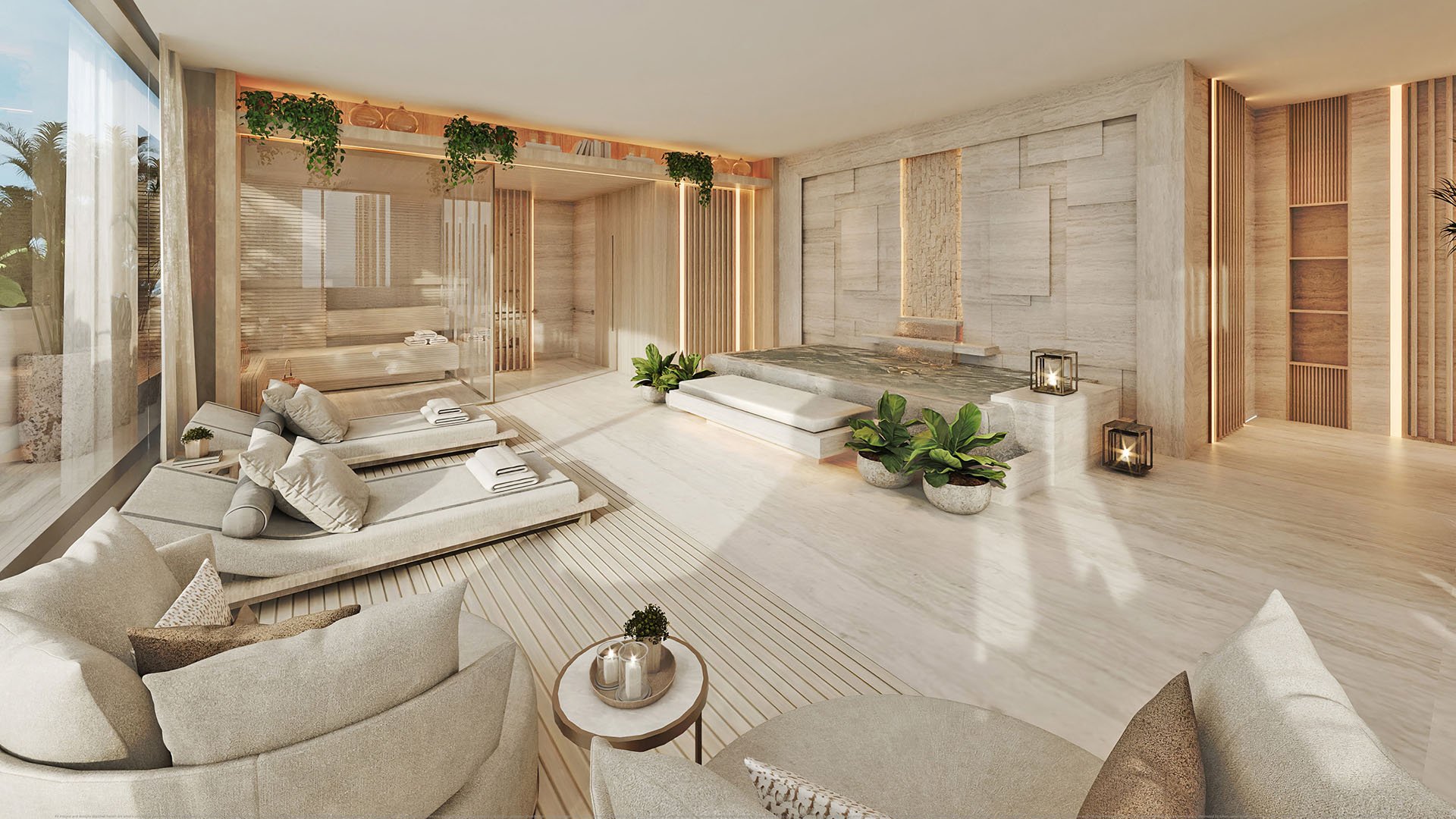
The essential underwriting question at La Maré Bay Harbor Islands is not simply whether private dining and spa spaces are presented as part of the residential experience. Buyers also need to establish what access means in practice, who operates each space, and which costs fall outside regular association charges.
A condominium can provide a well-designed room for entertaining or wellness without including chefs, servers, therapists, attendants, food, beverages, treatments, or event production. Those elements require labor, supplies, scheduling, insurance, and operating procedures that may be handled separately from maintenance of the physical space.
Access to a beautifully designed room is not the same as an included hospitality service.
The prudent approach is to separate the amenity itself from the services that activate it. This preserves the lifestyle value of the space while producing a more disciplined estimate of recurring and discretionary ownership costs.
Amenity descriptions should never replace a review of the rights attached to the specific residence under consideration. If purchase materials distinguish buildings, collections, or components, buyers should confirm which declaration, budget, rules, management arrangements, and reservation procedures apply.
The same caution applies to shared spaces and privileges that may be subject to capacity, assignment, scheduling, or guest limits. A feature shown in broader project materials may not create unrestricted access for every owner. Written documents should establish eligibility, priority, operating hours, reservation terms, and the association’s authority to change procedures or charges.
Buyers comparing other Bay Harbor Islands options, including Onda Bay Harbor, La Baia North Bay Harbor Islands, and The Well Bay Harbor Islands, should apply the same document-based analysis. Similar amenity language does not necessarily establish equivalent access, staffing, or cost structures.
A private dining space should not automatically be treated as a staffed restaurant, meal program, or complimentary event service. Until the controlling materials define an included service, buyers should model a private dinner as a resident-directed choice with its own possible operating costs.
Relevant categories may include a chef or caterer, servers, beverages, rentals, setup, cleanup, gratuities, deposits, and building-imposed reservation charges. These are underwriting categories to investigate, not confirmed project fees. The purpose of listing them is to prevent an attractive entertaining space from being mistaken for an all-inclusive hospitality program.
Buyers should ask whether outside chefs or caterers are permitted, whether vendors require prior approval, and whether insurance documentation is necessary. They should also confirm guest limits, alcohol rules, permitted hours, cancellation terms, cleaning responsibilities, and the process for handling damage deposits or additional charges.
Billing mechanics matter as well. A charge paid directly to a vendor has different implications from a fee posted to a resident account. Written clarification should identify whether costs are assessed per reservation, per event, per attendee, or under another arrangement.
Spa access should also be read literally. Access to a wellness space does not, by itself, establish that treatments, practitioners, attendants, products, towels, classes, or appointment management are included in regular ownership costs.
Buyers should determine whether relevant spaces are self-service or staffed, whether reservations are required, and whether hours or guest rules apply. If treatment areas are contemplated, the documents should explain who may use them, whether outside practitioners are allowed, and what approval, licensing, insurance, or access requirements apply.
The operating budget may help clarify which elements are treated as shared expenses. A separate fee schedule may identify services charged by use. If neither document answers the question, buyers should request written clarification rather than assume that a spa-oriented environment includes complimentary appointments.
This distinction is particularly important for owners who expect frequent wellness services. Optional treatments may have substantial personal value, but they belong in a discretionary budget unless the governing materials expressly include them in a mandatory charge.
A disciplined ownership model should separate mandatory costs from optional lifestyle choices. The first layer should contain recurring assessments and other required charges confirmed by current documents. The second should contain predictable personal choices, such as private entertaining or wellness appointments. A third contingency layer can account for variable vendor pricing, reservation fees, service changes, and other costs that have not been fixed.
This structure avoids placing chefs, catering, treatments, or event staffing inside the base association assumption without documentary support. It also makes comparisons between South Florida condominiums more useful because the analysis focuses on actual operating responsibilities rather than amenity names alone.
Any quoted association figure should be matched to its date, residence, and scope. Buyers should ask whether the figure is current, which expenses it covers, whether reserves are included, and whether separate charges apply to particular spaces or services. A single monthly number cannot answer those questions on its own.
The model should also remain flexible through the purchase process. Proposed practices can change, and final documents may clarify responsibilities that were not apparent in early marketing materials. Updating the model as new documents arrive is more reliable than treating an initial estimate as permanent.
Before signing or closing, buyers should request the declaration, offering materials, current or proposed budget, reserve information, amenity-use rules, management agreements, relevant vendor agreements, and current fee schedule applicable to the residence. The review should focus on access rights, operating hours, guest policies, reservation priority, deposits, cancellation terms, cleaning obligations, insurance requirements, and authority to revise charges.
For private dining, seek a written explanation of permitted vendors, staffing responsibilities, alcohol rules, cleanup procedures, and billing. For spa access, request a clear definition of included facilities, service availability, practitioner policies, reservation procedures, and any per-use pricing.
Buyers should also ask how rule changes are communicated and which body has authority over scheduling, vendor approval, and fees. Where a meaningful answer is absent, the conservative approach is to classify the service as unconfirmed rather than included.
The central principle is straightforward: design creates possibility, while operating documents determine practical access and cost. Private dining and spa experiences may enhance ownership, but their labor and service components should remain in the discretionary column until written materials establish otherwise.
For discreet guidance on comparing documents, recurring costs, and amenity rights, connect with MILLION.
If branded residences are on your mind — as a home or as an allocation — we would be glad to share what we are seeing, privately.
Begin a quiet conversationBuyers should not assume that access to a dining space includes chefs, catering, food, beverages, or service staff. The applicable documents and fee schedules should define what is included.
Keep possible catering, staffing, rentals, setup, cleanup, gratuities, deposits, and reservation charges in a discretionary-cost layer until confirmed.
The exact scope should be verified in the governing materials and operating rules. Access to a spa space does not automatically include treatments, practitioners, products, or attendants.
That permission should be confirmed in writing. Vendor approval, insurance, access, alcohol, and cleanup rules may apply.
Buyers should review the applicable rules for practitioner access, approval, licensing, and insurance. The presence of a treatment area does not establish an open-vendor policy.
Request the declaration, offering materials, budget, reserve information, amenity rules, management agreements, relevant vendor agreements, and current fee schedule.
Mandatory charges and resident-selected services have different cost characteristics. Separating them produces a clearer ownership budget.
Confirm reservation procedures, deposits, guest limits, permitted hours, catering rules, alcohol policies, cleanup duties, cancellation terms, and billing.
Confirm hours, reservations, guest access, staffing, available services, practitioner rules, supplies, and any per-use charges.
Treat an unclear service as unconfirmed rather than included. Obtain written clarification before placing it in the base ownership-cost model.