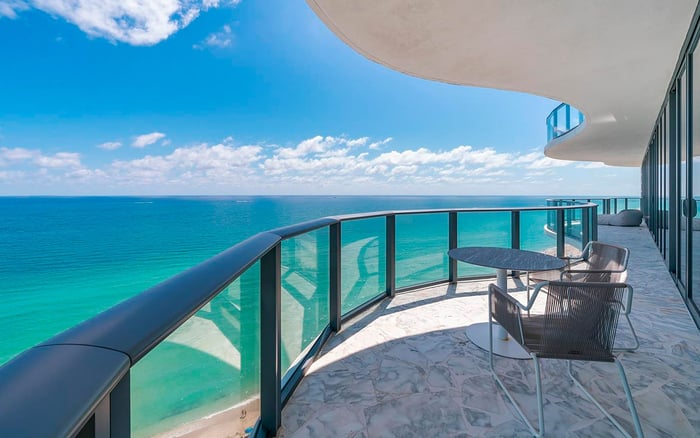
A practical relocation brief for Tokyo families coordinating a Sunny Isles Beach residence with yacht dockage, marina permissions, crew documentation, and secure daily access.

For a Tokyo family establishing a base in Sunny Isles Beach, the residential search and yacht plan should advance together. A waterfront setting does not by itself establish docking rights, crew access, parking, delivery permissions, or overnight privileges.
Create one operating brief for the family office, captain, real-estate adviser, marina representative, legal counsel, insurance adviser, and condominium manager. The brief should record the vessel's dimensions and operating requirements, intended use, tender arrangements, crew rotations, guest patterns, vehicle needs, and expected delivery schedule.
Residences such as Bentley Residences Sunny Isles, The Ritz-Carlton Residences® Sunny Isles, and St. Regis® Residences Sunny Isles may be considered during the residential search. Each option should be reviewed independently for staff credentials, visitor approvals, parking, service-entry procedures, deliveries, and the practical journey between the residence and the selected berth.
Ask the captain or an appropriate marine adviser to evaluate each potential berth against the vessel's dimensions, maneuvering needs, utilities, and operating profile. Written marina confirmation should address fit, access, power and water arrangements, insurance requirements, deposits, parking, security, storm procedures, and any limits affecting tenders, guests, crew, deliveries, or overnight stays.
Pricing should be evaluated from a complete written quotation rather than a headline rate. The family should identify what is included, what is charged separately, which payments are refundable, and whether terms can change by season or event.
The residential and berth timelines should also be compared. A residence may be available before a suitable berth is approved, while a marina arrangement may carry deadlines that do not align with the property closing or move-in schedule.
Determine whether the proposed arrangement is a lease, license, membership, or another form of permission. Legal counsel should review renewal, termination, transfer, assignment, vessel-substitution, insurance, liability, and storm-related provisions before the family relies on the berth.
Do not assume that marina access can be transferred with a residential sale or that permissions granted to an owner automatically extend to relatives, guests, contractors, household staff, or crew. Obtain written answers for every access category relevant to the family's routine.
Overnight occupancy should receive separate review. The family should confirm the applicable marina agreement, condominium documents, insurance conditions, and current local requirements rather than treating vessel ownership or registration as permission to live aboard.
Crew planning should reflect the yacht's actual ownership, use, itinerary, and operating arrangements. Qualified immigration and maritime counsel should review travel documentation, employment records, contracts, rotations, and planned entries before applications are filed or travel begins.
The family should use consistent names, addresses, ownership details, and document formats across vessel papers, insurance certificates, marina records, condominium files, and crew documentation. Where Japanese and U.S. records differ in format, prepare an agreed document checklist and obtain professional translations when required.
Building and marina access should be managed separately. A crewmember accepted by the marina may still need independent condominium registration, parking approval, service-entry credentials, or guest authorization.
Prepare an access matrix covering family members, the captain, permanent and rotational crew, household staff, contractors, instructors, drivers, and guests. For each person, record permitted locations, approved hours, credentials, parking arrangements, host contacts, and escalation procedures.
Include contingency plans for delayed flights, replacement crew, urgent technical work, provisioning vehicles, lost credentials, and after-hours arrivals. A supervised rehearsal can test the route between the residence, vehicle, berth, and vessel before the family's primary arrival.
The closing and move-in calendar should track residence approvals, berth documentation, insurance acceptance, crew paperwork, parking allocation, deliveries, credential issuance, and storm-plan responsibilities. Coordinating these workstreams early can reduce avoidable conflicts between the household, building, marina, and yacht operations.
Does buying a Sunny Isles Beach condominium automatically include a yacht slip? Do not assume that it does. Verify any dockage right separately in the governing documents and written marina arrangements.
When should berth planning begin? Begin during the residential search so vessel fit, access requirements, insurance review, and timing can be assessed before a commitment.
Which vessel details should be provided to a marina? Provide the dimensions and operating requirements requested by the marina, together with the yacht's intended use and relevant insurance information.
What should a written marina quotation cover? Request a complete breakdown of included services, separate charges, deposits, utilities, parking, security, and any time-dependent terms.
Can crew access the condominium automatically after receiving marina approval? Not necessarily. Confirm the building's separate registration, visitor, parking, service-entry, and credential procedures.
Can crew stay overnight aboard the yacht? Confirm overnight rights through current marina terms, property documents, insurance conditions, and advice from qualified local counsel.
How should crew travel documentation be handled? Have qualified immigration and maritime counsel review the yacht's use, itinerary, employment arrangements, and each crewmember's circumstances before travel.
What should the family verify about storm procedures? Obtain written responsibilities, deadlines, communication contacts, insurance conditions, and any vessel-movement requirements that apply to the arrangement.
How can Japanese and U.S. records be coordinated? Use a shared document checklist, reconcile names and addresses across files, and arrange professional translations when required.
What should be tested before the family's arrival? Rehearse the practical route among the residence, parking area, berth, and vessel, including credential checks and after-hours contingencies.
To compare the best-fit options with clarity, connect with MILLION.
If branded residences are on your mind — as a home or as an allocation — we would be glad to share what we are seeing, privately.
Begin a quiet conversation