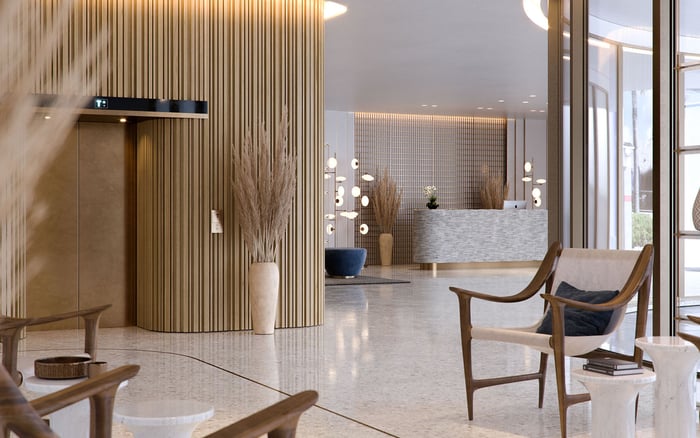
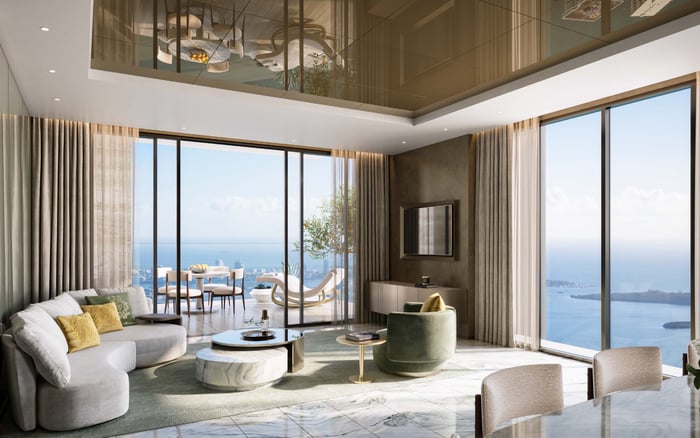
Seasonal buyers should evaluate South Florida residences through the hours and months they will actually occupy them. Sun-glare exposure affects comfort, views, terrace use, furnishings, art placement, and the perceived calm of a second home. A sharper standard prioritizes lived experience over a single showtime impression.
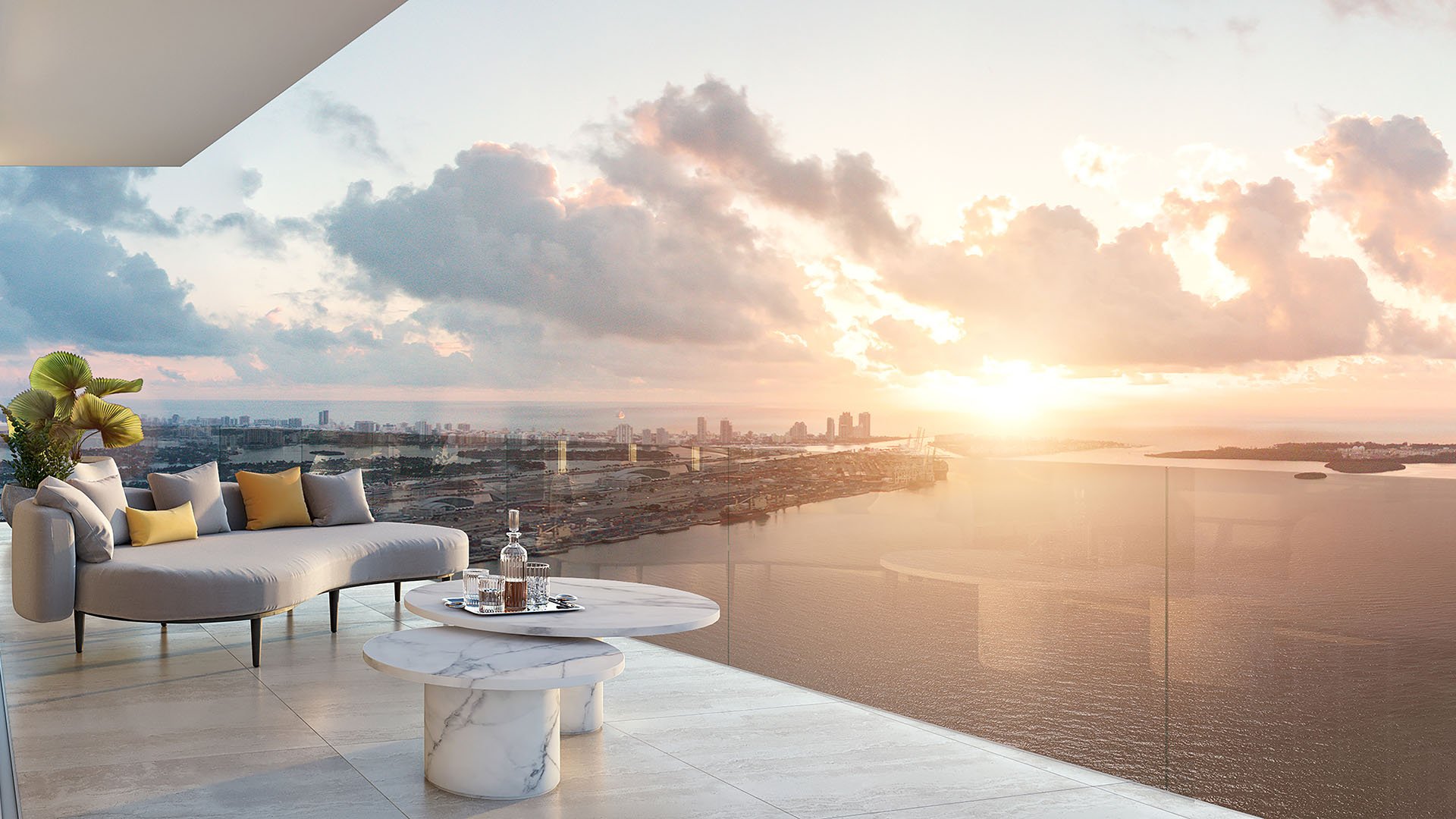
A South Florida residence can present two entirely different personalities depending on when it is seen. A winter morning tour may feel serene, bright, and beautifully tempered. A late-afternoon return can reveal a sharper reality: reflection on stone floors, glare across glass railings, heat at the seating edge of a terrace, or a living room view that becomes difficult to enjoy without shades.
For the year-round resident, these conditions become part of the daily rhythm. For the seasonal buyer, they are concentrated into the very months and hours when the home is expected to perform at its highest level. The second-home calendar is not incidental. It shapes breakfast on the balcony, sunset entertaining, remote work in a glass-wrapped den, and the preservation of interiors selected with care.
That is why seasonal buyers need a different standard for sun-glare exposure. The question is not simply whether a residence has beautiful light. It is whether the light is beautiful when the owner is actually there.
Luxury buyers often use brightness as praise, and in many cases it is. Natural light can make a room feel expansive, architectural, and connected to the water or skyline. Glare is different. It is light that interrupts comfort. It can flatten a view, bounce off polished surfaces, reduce screen visibility, or force window treatments into use at the exact moment a buyer hoped to enjoy openness.
This distinction matters in high-design homes, where glass, pale stone, lacquer, metal, mirrors, and water-facing exposures often define the visual language. A water view can be extraordinary, but water also adds reflected light. A glass balcony can preserve a view, but it may also introduce angles of reflection. A high-gloss kitchen can look sculptural, then become visually active in direct sun.
The sophisticated standard is not anti-light. It is pro-control. The best seasonal residence offers luminous rooms without making the owner negotiate with the sun every afternoon.
A primary home is judged across all seasons of life. A seasonal residence is judged by a narrower, more demanding use case. Owners arrive for rest, privacy, family time, events, and the social cadence of South Florida’s high season. They are less interested in adapting to a home than in having the home immediately support the rhythm they came for.
This is where sun exposure becomes a lifestyle issue. A dining area that glares during early evening may affect hosting. A primary suite that receives hard light at wake-up may change morning comfort. A media wall opposite a broad window may make casual use difficult unless shade systems are carefully planned. Even a prized oceanfront setting can feel less tranquil if the interior cannot modulate reflection.
In Brickell, the conversation may include neighboring glass, urban reflections, and the way skyline light moves through a residence. In coastal settings, buyers may focus on ocean glare, terrace usability, and the relationship between view corridors and shade. In quieter enclaves, the issue may be less dramatic but no less relevant, especially where water, pale hardscape, and open-plan interiors meet.
A single showing rarely tells the truth about glare. Many residences are toured at flattering hours, when the light is soft, the shades are set, and the home is staged for visual ease. Seasonal buyers should resist forming a complete judgment from one impression, even when the architecture is compelling.
The more disciplined approach is to see the residence at moments that match intended use. If the owner expects long breakfasts outdoors, the morning condition matters. If cocktail hour is central, late afternoon is essential. If the residence will be used for remote calls, the buyer should understand where screens, cameras, and seating will sit in relation to direct and reflected light.
This does not require overcomplication. It requires specificity. Where will the owner read? Where will guests gather? Where will art hang? Which rooms are expected to remain open to the view, and which can accept automated shading without compromising the mood? These questions turn glare from an abstract concern into a practical luxury standard.
Seasonal buyers often select residences with deliberately refined interiors: stone, wood, wool, linen, leather, millwork, and collected art. Sun exposure is not only about visual comfort. It is also about how a home ages.
Direct light can influence how fabrics, rugs, wall coverings, and finishes are experienced over time. Even when protective systems are in place, the buyer should understand which areas receive the strongest exposure and whether the design plan accounts for it. A penthouse with sweeping glass may be spectacular, but its furnishing strategy should be as considered as its view strategy.
The same applies to art placement. A dramatic wall may appear ideal until afternoon light lands on it. A sculpture near glass may cast distracting reflections. A formal living room may need layered shading to protect both atmosphere and materials. For buyers assembling a residence meant to feel effortless, these are not small details. They are part of stewardship.
In South Florida, outdoor space is not an amenity to be admired from inside. It is often one of the reasons a buyer chooses the residence. Yet a balcony or terrace can be underused if glare, heat, or reflection makes key hours uncomfortable.
Seasonal buyers should evaluate the outdoor room as carefully as the interior plan. Does the seating zone receive direct sun at the hour it is most likely to be used? Is there enough overhang, canopy, or architectural shade to support dining? Does the water or pool deck create additional reflection? Can the owner enjoy the view without sunglasses becoming mandatory at every gathering?
The best outdoor spaces balance exposure and refuge. They allow the owner to participate in the South Florida light without surrendering comfort to it.
A superior sun-glare review begins with orientation, but it does not end there. Orientation can suggest a pattern, yet the lived result depends on surrounding buildings, water, glass, interior finishes, ceiling heights, overhangs, shade systems, landscaping, and how each room is actually furnished.
Seasonal buyers should ask for shade specifications, understand whether systems are manual or automated, and consider how often shades must be closed to make the home comfortable. If the view is a central reason for purchase, needing to obscure it during prime hours may be a meaningful tradeoff.
The buyer should also test emotional response. Does the home feel restful in the hours that matter most? Are there rooms that look impressive but feel visually tiring? Is the light cinematic, or is it insistent? Luxury is not merely square footage, finish level, or view category. It is the absence of friction.
For the seasonal owner, the ideal residence offers three things: clarity of view, control of light, and consistency of comfort. Brightness should be layered, not blunt. Views should remain usable, not merely photogenic. Window treatments should feel integrated, not corrective.
Buyers should be especially attentive when a residence combines several glare amplifiers: broad glass, high floors, water exposure, reflective flooring, white interiors, and outdoor hardscape. None of these qualities is negative on its own. In fact, many are hallmarks of desirable South Florida design. The issue is whether they have been orchestrated with restraint.
A home that handles sun well tends to feel more expensive in a quiet way. It does not demand constant adjustment. It lets the owner move from coffee to calls to lunch to sunset with ease. That is the standard a second-home buyer should expect.
Sun-glare exposure can also shape future marketability. A residence that photographs beautifully but requires compromise during peak use may encounter sharper questions from the next sophisticated buyer. Conversely, a home with strong light management can feel immediately livable, especially to buyers comparing multiple residences with similar views.
The most resilient properties are those where light, view, and comfort are aligned. They show well, live well, and explain themselves without apology. For seasonal buyers, that alignment is not a technicality. It is a form of value protection.
Why is sun-glare exposure more important for seasonal buyers? Seasonal buyers often occupy the home during specific months and prime leisure hours, so glare must be judged against that real pattern of use.
Is a bright residence always a better residence? Not necessarily. Brightness is desirable when it is controlled, while glare can reduce comfort and limit enjoyment of views.
Should I tour a property more than once for light conditions? Yes. Seeing the residence at different times of day gives a clearer sense of how the home actually lives.
Does a water view increase the need for glare review? It can. Water may intensify reflected light, so the relationship between view, glass, and interior finishes should be considered.
Are higher floors more exposed to glare? High-floor homes may have broader light exposure, but the true condition depends on orientation, surroundings, glass, and shading.
Can window treatments solve most glare issues? They can help significantly, but relying on closed shades during prime view hours may be a lifestyle compromise.
What rooms should be tested first? Focus on the primary suite, living room, dining area, work space, and any outdoor area intended for daily use.
Does oceanfront living always mean more glare? Not always, but ocean-facing settings deserve careful review because open water and broad glass can change the light experience.
How does glare affect a penthouse? A penthouse may offer exceptional views, yet its exposure, ceiling heights, and glass lines require thoughtful light control.
Is glare a resale concern? Yes. Buyers value residences that feel comfortable during peak use, not only those that look impressive during a single showing.
When you're ready to tour or underwrite the options, connect with MILLION.
If branded residences are on your mind — as a home or as an allocation — we would be glad to share what we are seeing, privately.
Begin a quiet conversation