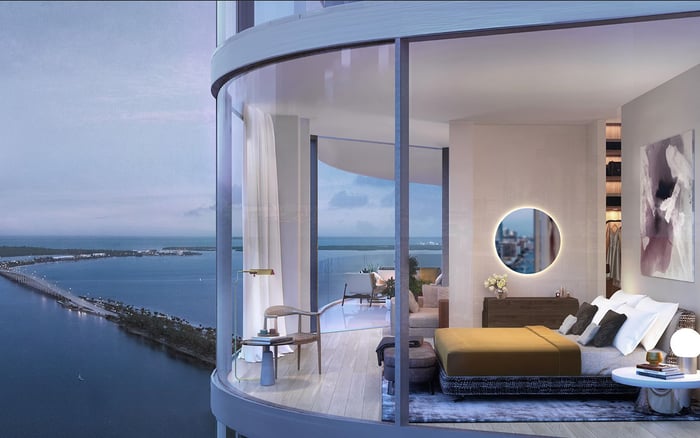
Resident portals are becoming a quiet but important lens for luxury buyers evaluating building operations before closing. Their records can help frame better questions about service culture, maintenance discipline, communication quality, and governance expectations.
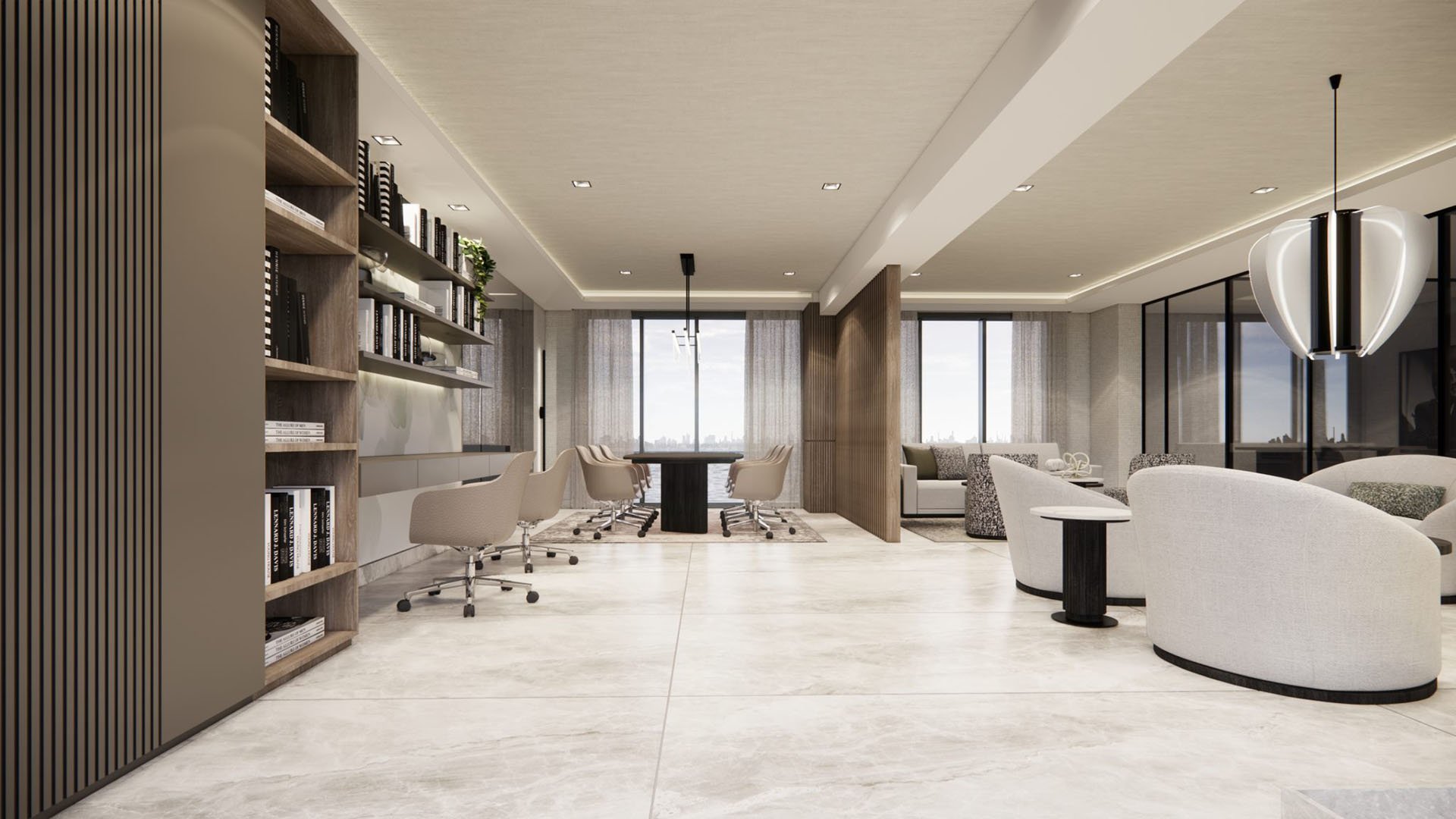
In South Florida luxury real estate, the most refined risks are often the least visible. A residence may show flawlessly in private: calibrated lighting, polished stone, resort-level amenities, and a view that carries much of the sale. Yet the lived experience of a building is shaped by quieter operational truths: how quickly requests are answered, how clearly management communicates, how residents use shared spaces, and whether recurring maintenance issues are handled with discipline.
That is why resident portal transparency belongs in the due-diligence file before closing. The portal is not just a convenience layer for package notices and amenity reservations. In a well-managed building, it becomes a digital record of building culture. For a buyer committing significant capital, that record can help separate a beautiful address from a consistently well-run home.
A buyer should not expect unrestricted access to private resident data, and privacy should never be compromised. The request is more measured: a reasonable review of anonymized, relevant, transaction-appropriate portal records that speak to operations. Those records may include maintenance ticket categories, response-time patterns, amenity reservation protocols, management notices, payment workflows, move-in procedures, service rules, and recurring building communications.
The purpose is not to find one complaint and overreact. Every sophisticated property has moments of friction. The value is in the pattern. Repeated references to the same elevator, garage, pool deck, security protocol, or noise concern may justify a sharper line of questioning. A portal that reflects timely updates and clear resident guidance may suggest a disciplined management culture. Silence can be informative, too, especially when it conflicts with what residents, staff, or disclosure materials indicate.
In the ultra-premium tier, buyers are not only acquiring square footage. They are buying continuity, privacy, responsiveness, and confidence that the building will preserve the rhythm of their lives. A private elevator foyer matters. So does the way a building handles a water intrusion notice at 7 a.m., a vendor certificate request, a valet bottleneck, or a guest authorization issue before a holiday weekend.
This is particularly relevant across markets where lifestyle and building operations are tightly intertwined. Brickell buyers may weigh high-density convenience against the need for precise access control and service choreography. Miami Beach owners may focus on hospitality standards, seasonal occupancy changes, and amenity governance. Sunny Isles purchasers often expect resort-caliber common areas to be maintained with consistency. Fisher Island conversations may place even greater emphasis on privacy, discretion, and controlled access. In each setting, portal transparency can turn impressions into better questions.
The cleanest approach is to make the portal request part of the document review conversation early, rather than a last-minute condition. Buyers and their advisors can ask for representative, anonymized records that show how management communicates and responds. A useful review may include recent building notices, maintenance request categories, amenity rules, move-in and move-out procedures, package and delivery policies, guest registration processes, payment instructions, violation notices in general form, and owner-facing updates tied to building operations.
The request should be specific enough to be useful and narrow enough to be reasonable. A buyer does not need personal resident correspondence. A buyer does need to understand how the building functions. If portal access itself is unavailable, exported samples, screenshots with private information removed, or management summaries may still help. What matters is that the file captures operational transparency instead of relying solely on brochure language.
Portal records should be reviewed alongside association documents, budget materials, insurance information, inspection reports, seller disclosures, and closing timelines. They should not replace formal legal or technical review. They should sharpen it.
A recurring maintenance category may prompt a question for the building engineer. Frequent amenity reminders may suggest high utilization or rule enforcement issues. Multiple notices about access procedures may point to a strong security culture or operational friction, depending on context. A pattern of clear, concise, timely communication can reassure. A pattern of vague or delayed messaging can signal the need to ask more.
The most valuable reading is comparative. Does the portal tone align with the building’s luxury positioning? Do procedures feel intuitive or improvised? Are resident-facing updates polished, consistent, and accountable? Are issues acknowledged directly, or hidden behind generic phrasing? For a buyer focused on resale strength and long-term investment quality, these questions are not cosmetic. They are part of asset stewardship.
Portal transparency can also influence negotiation. If records reveal recurring service gaps, a buyer may seek clarifications, credits, repairs, closing conditions, or additional representations. If the records support a picture of careful management, they may reinforce conviction and reduce uncertainty. Either outcome is valuable because it arrives before closing, not after move-in.
This is not about turning a luxury purchase into an adversarial audit. It is about aligning expectations. Sellers of well-run residences should benefit from operational clarity. Buyers should reward buildings that can document service discipline. In a market where design, branding, and views often dominate attention, documented management quality can become a subtle differentiator.
The request should be framed with discretion. Ask for anonymized operational records, not personal resident histories. Avoid broad demands that create unnecessary resistance. The best language is calm and professional: the buyer would like to understand resident-facing communication, maintenance workflows, amenity procedures, and management responsiveness as part of standard diligence.
That tone matters in luxury buildings, where reputation and relationships continue after closing. A buyer who approaches the process with precision signals seriousness. A buyer who demands indiscriminate access risks undermining goodwill. The goal is not intrusion. The goal is informed ownership.
The traditional due-diligence file has long centered on contracts, condominium documents, title, inspections, financing, and insurance. Those remain essential. But the modern residence is also managed through digital systems. If daily life is coordinated through a portal, then the portal’s structure and records deserve attention.
For South Florida’s luxury buyer, the question is no longer only whether the lobby has marble or the pool has the right sightline. The deeper question is whether the building communicates, responds, and governs in a manner worthy of the residence. Portal transparency helps answer that question before the keys are delivered.
Should every luxury buyer request resident portal records? Yes, when practical. The request can be limited to anonymized operational materials that help evaluate building management.
Is direct portal access always necessary? No. Screen captures, exported summaries, or redacted samples may provide enough context without exposing private information.
What is the most important thing to look for? Patterns matter more than isolated complaints. Repeated issues, vague communication, or delayed responses deserve follow-up.
Can portal records replace condominium document review? No. They should complement legal, financial, insurance, inspection, and association document review.
Should a buyer ask for private resident messages? No. The request should focus on anonymized operational records and resident-facing building communications.
Can portal transparency affect negotiation? Yes. Clear records can support confidence, while unresolved patterns may justify questions, conditions, or concessions.
When should the request be made? Early in the diligence period. Waiting until the closing week reduces the practical value of the review.
What if management refuses to provide anything? A refusal is not automatically negative, but it should prompt a calm discussion about what can be shared appropriately.
Does this apply to new construction and resale? Yes, though the available records may differ. Established buildings often have more operating history to evaluate.
What is the best way to shortlist comparable options for touring? Start with location fit, delivery status, and daily lifestyle priorities, then compare stacks and elevations to validate views and privacy.
If you'd like a private walkthrough and a curated shortlist, connect with MILLION.
If branded residences are on your mind — as a home or as an allocation — we would be glad to share what we are seeing, privately.
Begin a quiet conversation