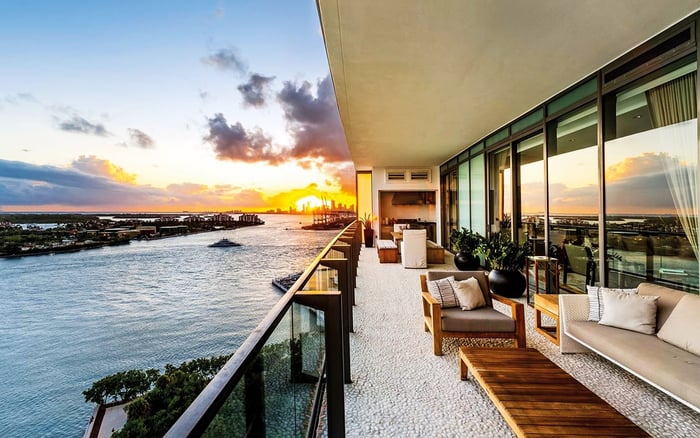
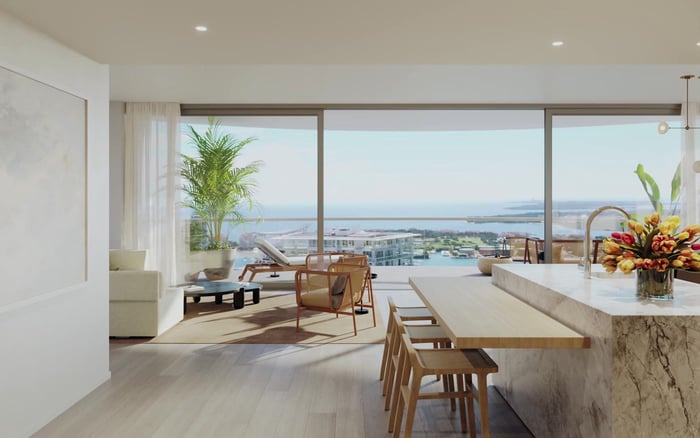
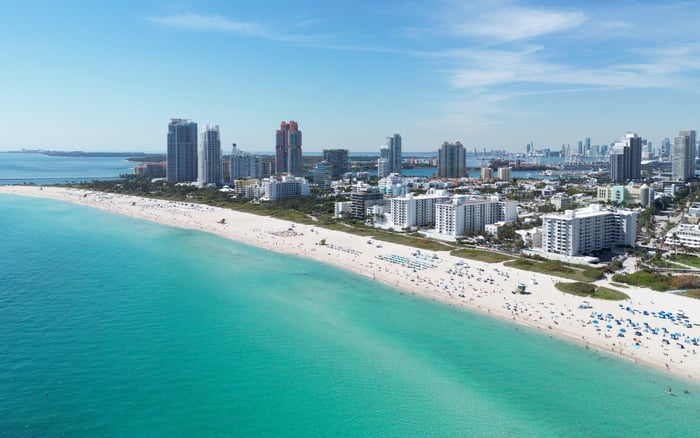
A buyer-focused framework for evaluating Shoma Bay’s flood-claim records, garage-level infrastructure, insurance coverage, and emergency procedures before committing to ownership.
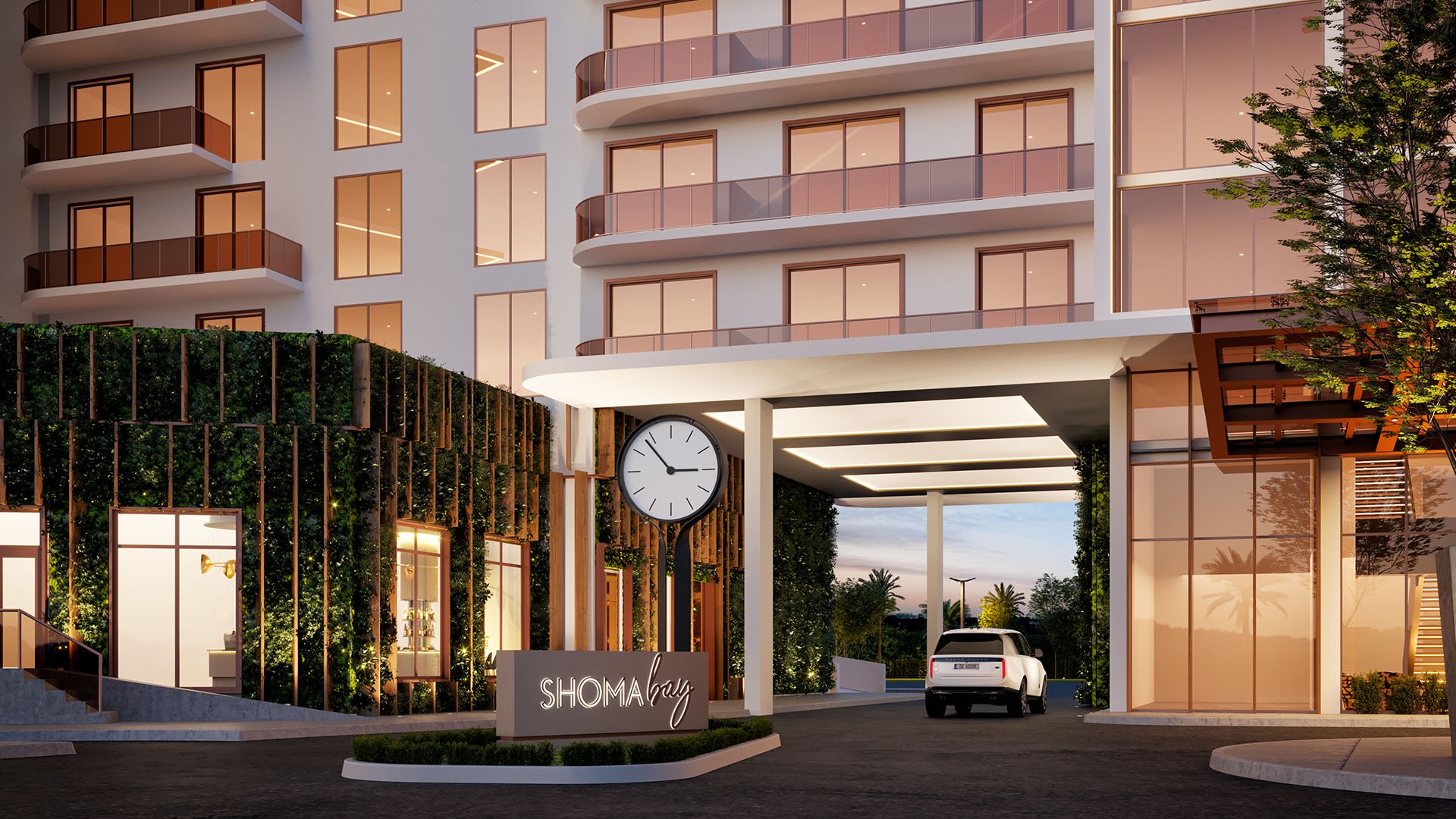
For a discerning buyer, the appeal of Shoma Bay North Bay Village deserves consideration alongside a quieter question: what supports the residence when normal building services are interrupted? Ownership diligence should extend beyond finishes to water exposure, essential equipment, and recovery planning.
For a North Bay Village purchase, potential exposure to heavy rainfall, tidal flooding, and strong storms warrants a property-specific review-not a presumption of building failure. Nor would an enclosed garage with an automatic door, by itself, establish flood protection.
An ownership-readiness audit should establish three things: the documented history of water-related losses, the protection of critical infrastructure, and the procedures for maintaining or restoring services. None should be inferred from amenity descriptions.
Begin with a current, property-specific flood-zone determination and the applicable base-flood elevation. Have the reviewing engineer reconcile those findings with approved elevations, drainage plans, and the permitted building design. Area-wide flood classifications are no substitute for that address-level review.
Confirm construction, occupancy, and association status before requesting operational evidence. Marketing descriptions do not establish that equipment is installed, amenities are available, or management procedures have been tested. Where a system remains proposed, seek approved specifications and identify what evidence of completion will be available before closing.
Ask the reviewing engineer to identify applicable lowest-floor elevation and service-equipment protection requirements, including those affecting electrical, HVAC, and plumbing components. Establish the applicable code edition and evidence of compliance through approved plans, engineering documentation, and occupancy records rather than assuming the project meets a particular standard.
For buyers also considering Continuum Club & Residences North Bay Village, use the same document requests. Comparable questions are more useful than assumptions of comparable protection.
Request five years of insurance loss runs, or the available history if shorter, from the responsible developer, seller, association, manager, and insurers as appropriate. Alongside those records, ask for written water-intrusion disclosures, open-claim details, and remediation documentation.
The aim is more than a claim count. For each disclosed incident, ask where water entered, which spaces and systems were affected, what repairs followed, and whether corrective work was completed. Match those explanations to invoices, engineering findings, and closure documentation where available. Distinguish a resolved payment from a resolved physical problem.
Ask whether any incidents were handled without an insurance claim. Loss runs and maintenance histories answer different questions. Separately, inquire with the local building department about any available records of past flooding at the location.
Do not characterize Shoma Bay as having either a clean flood record or a history of failures without supporting records. If the relevant ownership or insurance period is short, record its dates and scope rather than treating a brief history as a long operating record.
Any garage enclosure should prompt inspection, not reassurance. Have a qualified professional review ramps, thresholds, drains, sump pumps, barriers, and penetrations, where present, against approved elevation and drainage plans. Ask how each protective measure functions during both intense rainfall and a power interruption.
The equipment inventory deserves equal attention. Document the actual location, elevation, and protection of switchgear, transformers, pumps, elevator equipment, EV chargers, access controls, and communications systems, as applicable. Do not assume these components are all at garage level; establish where they are and how their connections are protected.
If electric-vehicle charging stations or resident storage are included in the project, confirm their planned or installed locations, then examine the exposure of charging equipment and stored belongings. Include potential water-entry openings, such as dryer vents where present, in the inspection scope.
For each critical system, seek answers to four questions: what protects it, what powers it, who isolates it safely, and what inspection is required before restarting it? Electrical shutdown and restart procedures should identify authorized personnel rather than rely on improvised resident action.
If mechanical parking lifts appear in the permitted design, verify their outage-access arrangements and any applicable requirements for lowering without power. Their use at Shoma Bay should not be assumed.
For any advertised security, video surveillance, elevator, or package-management services, examine continuity rather than assume they will remain available during an emergency.
Request the hurricane and emergency-operations plans. Review evacuation procedures, closure and re-entry triggers, staffing arrangements, outage communications, and responsibility for post-event inspections. Identify who can authorize reopening and how residents receive updates when ordinary communication systems are unavailable.
Ask for documented backup-power priorities, not a general assurance about a generator. Establish which systems are supported, any stated operating duration and its assumptions, fuel arrangements, and procedures for elevator and garage access. Water continuity belongs in the same discussion. The plan should clearly distinguish essential functions from conveniences that may be suspended.
For an owner who travels frequently, the plan must work without an immediate return to South Florida. Clarify emergency contacts, authorized unit access, vehicle arrangements, and responsibility for inspecting the residence after an event. Ask how management will communicate restrictions before an owner attempts to return.
Have an insurance adviser review master and unit-owner policies together. Examine flood, windstorm, equipment breakdown, sewer backup, contents, temporary living expenses, and loss assessments, including limits, deductibles, and exclusions. A lender’s requirements are not the complete measure of appropriate protection.
If the search extends to Miami Beach and The Perigon Miami Beach, carry the same insurance and continuity checklist into that evaluation. The comparison should rest on each property’s documents, not assumptions about location or positioning.
Before committing, organize the findings into three categories: supported by documentation, awaiting confirmation, and requiring corrective action. Assign each unresolved item to the appropriate legal, engineering, insurance, or management adviser, with a clear next step.
A satisfactory audit does not promise uninterrupted living. It gives the buyer a grounded understanding of exposure, responsibility, and recovery arrangements. The most useful assurance is a coherent set of records showing how the residence, shared infrastructure, and ownership obligations fit together.
For a considered approach to South Florida ownership, explore residential opportunities with MILLION.
If branded residences are on your mind — as a home or as an allocation — we would be glad to share what we are seeing, privately.
Begin a quiet conversationIt should establish the documented history of water-related losses, protection of critical infrastructure, and procedures for maintaining or restoring services. Amenity descriptions alone do not establish readiness.
No. A garage enclosure and automatic door alone do not establish flood protection; elevations, drainage, openings, and protective measures require review.
Request five years of insurance loss runs, or available history if shorter, along with water-intrusion disclosures, open-claim details, and remediation documentation.
That conclusion requires supporting records. Neither a clean history nor prior failures should be assumed without documented evidence.
Area-wide classifications do not replace a current determination for the property. Have an engineer reconcile the findings with approved elevations, drainage plans, and the permitted design.
Locate and assess switchgear, transformers, pumps, elevator equipment, EV chargers, access controls, and communications systems, as applicable. Their actual placement and protection must be established rather than assumed.
Marketing descriptions alone do not establish installation or operation. Confirm current construction, occupancy, and association status before evaluating service readiness.
It should address evacuation, closure and re-entry, staffing, communications, elevator and garage access, backup-power priorities, water continuity, and post-event inspections.
Their use is not established here. If they appear in the permitted design, verify outage-access arrangements and any applicable requirements for lowering without power.
Review master and unit-owner policies for flood, windstorm, equipment breakdown, sewer backup, contents, temporary living expenses, and loss assessments. Examine limits, deductibles, and exclusions with an insurance adviser.