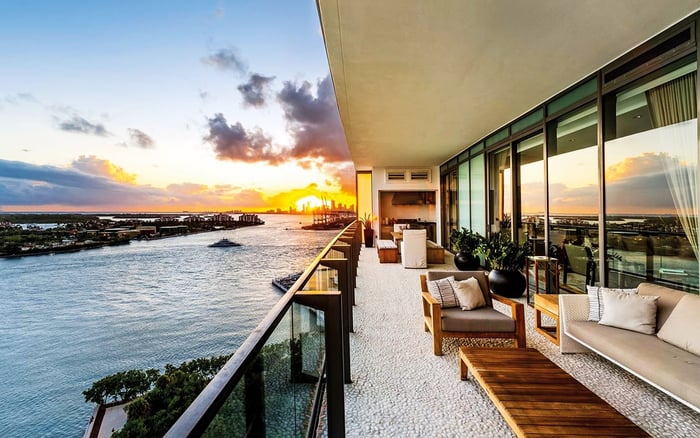
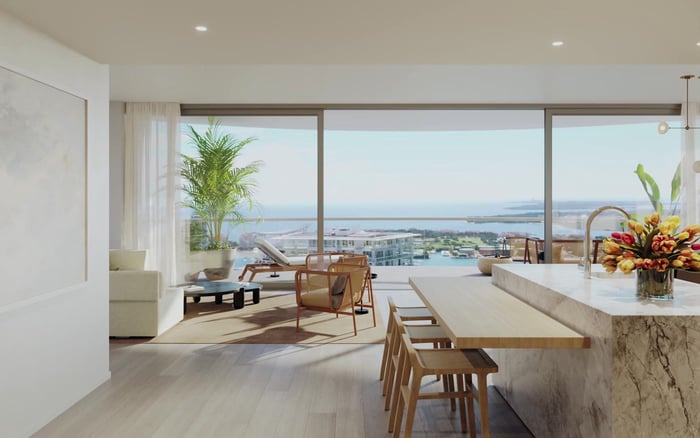
A disciplined South Beach closing strategy weighs unit-specific scarcity and privacy against comparable sales, reserve funding, and the full cost of ownership.
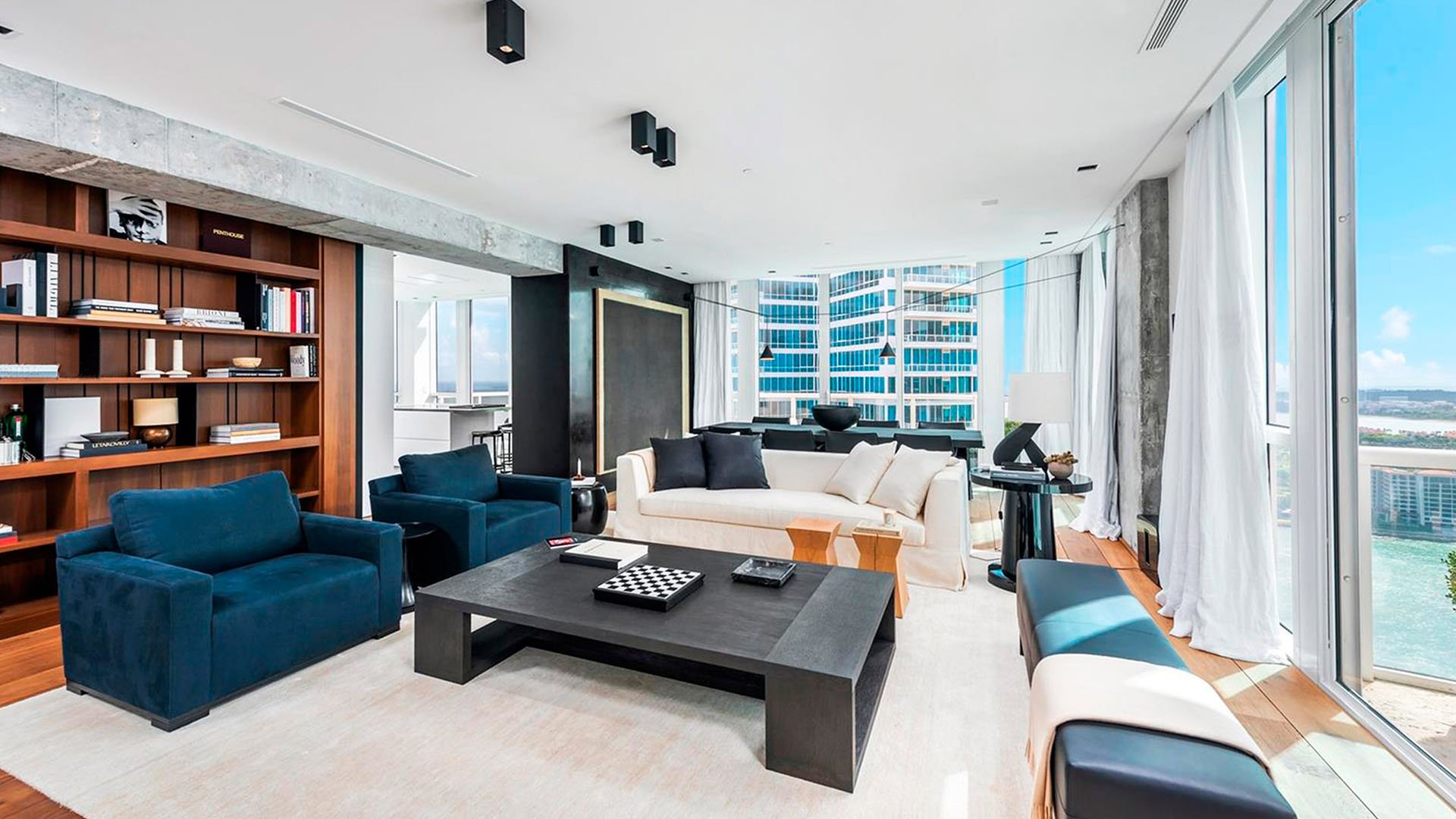
In South Beach, a compelling residence can make the purchase decision feel immediate. Closing readiness demands a slower, more exacting judgment: whether the qualities that attract you today can support a persuasive resale proposition, and whether the association's finances justify the cost of ownership.
A rigorous review separates three questions. How difficult is this floor plan to replace? How private is the actual living experience? And how credibly has the building prepared for operating expenses and major repairs? An impressive address or a low advertised maintenance charge cannot answer any of them alone.
For buyers considering Miami Beach, the objective is not to eliminate every uncertainty. It is to distinguish the residence's qualities from the association's obligations-and establish what evidence supports the purchase price.
South Beach luxury-condominium pricing reached $1,538 per square foot in Q3 2025, approximately 37% above $1,123 a year earlier. A separate luxury-segment measure placed the median sale price at $2 million that quarter, defining luxury as properties priced at $1 million and above.
Those figures provide context, not a valuation for an individual apartment. The broader condominium market recorded approximately 235 closed sales in Q2 2025, with an average sale price of $1.45 million and average pricing of $1,369 per square foot. Differences in periods, populations, and statistical measures prevent a direct comparison.
Begin with completed sales within the building and, wherever possible, the same unit line. Then examine floor, orientation, condition, view, and layout. A neighborhood-wide average cannot establish what a particular corner position or unusually wide living room is worth. Nor does the available evidence establish a standardized premium for scarcity or privacy.
Scarcity matters only when the distinction is meaningful. Wide frontage, dual exposures, flow-through layouts, and limited comparable floor plans can distinguish a residence from competing inventory. The buyer's task is to establish what those features deliver in daily use.
Review furnished plans rather than relying on total square footage. Ask whether circulation consumes valuable space, whether principal rooms benefit from the frontage, and whether bedroom placement allows comfortable separation between owners and guests. Compare how alternative residences accommodate the same household, not merely their advertised areas.
For a buyer evaluating Apogee South Beach alongside other candidates, the useful comparison is between the specific residences under consideration: room proportions, arrival sequence, exposures, and competing layouts. A project name alone does not establish that a particular unit is scarce.
Ask the selling team to identify genuinely substitutable inventory and relevant closed sales. If an asserted distinction disappears when several similar apartments enter the comparison, reconsider how much of the asking price rests on scarcity.
Private elevator arrival can be a differentiator, but privacy requires a broader inspection. Walk the route from arrival to the principal living spaces. Consider what is visible when the entrance opens, how guests reach their rooms, and whether service activity crosses areas intended for quiet use.
Inspect sightlines from terraces and bedrooms as carefully as the outlook from the living room. Dual exposures and corner positions may enhance a residence's appeal, but neither replaces a check of neighboring windows and the actual degree of visual separation.
Treat view permanence as a diligence question, not an assumption. Ask qualified advisers to examine what could affect the outlook. The distinction is between enjoying a view today and having sufficient grounds to rely on it when assessing a future resale.
At the upper end, pricing references can be striking without being interchangeable. Recent closings at Continuum on South Beach have been near $3,900 per square foot. That is a transaction reference, not a universal benchmark for South Beach residences.
In Mid-Beach, The Perigon Miami Beach has had listing pricing above $5,500 per square foot. Pricing for the forthcoming The Ritz-Carlton Residences® South Beach has been approximately $4,000-$5,500 per square foot.
These references do not establish a common pricing date. More importantly, listings, project pricing, and completed transactions are distinct forms of evidence. Waterfront position, branding, service, construction quality, and scarcity also differ. Use trophy pricing to understand the alternatives a buyer might consider, then return to relevant closed comparables before drawing a valuation conclusion.
Regular assessments typically cover expenses such as insurance, management, landscaping, and reserve contributions. The smallest monthly charge is not necessarily the most disciplined one. Inadequate reserve contributions or deferred maintenance can leave owners exposed to special assessments.
A Structural Integrity Reserve Study, or SIRS, estimates when major building components will require repair or replacement and how much the association should save. Completion alone does not establish adequate cash reserves or efficient daily operations.
Florida's Chapter 718 framework includes SIRS requirements for condominium buildings of three stories or more. Have qualified counsel confirm current applicability, deadlines, exceptions, and funding obligations for the specific association before closing.
Review the current budget, reserve balances and funding plan, inspection and engineering reports, insurance, and assessment history together. Ask how identified work will be funded and whether the budget reflects that plan. A reassuring document title matters less than a clear connection between anticipated expenses, available funds, and required owner contributions.
Build an annual ownership-cost schedule using recurring assessments, property taxes, applicable insurance, and known assessment obligations. Keep unresolved capital items visible rather than treating an unpriced obligation as zero. Have advisers clarify the treatment of assessments in the purchase contract and closing documents.
Then place that schedule beside the residence's strongest attributes. Is the price supported by relevant transactions? Is the floor plan genuinely difficult to replace? Does privacy hold up to an in-person inspection? Are future funding needs understandable rather than merely deferred?
A distinctive apartment and a well-documented association deserve separate judgments. Before closing, reconcile them into one decision: what you are paying for, what you are committing to maintain, and what a future buyer would need to understand. That is a more durable foundation than either an exceptional view or an attractive monthly figure alone.
For a considered South Beach acquisition strategy, connect with MILLION.
If branded residences are on your mind — as a home or as an allocation — we would be glad to share what we are seeing, privately.
Begin a quiet conversationStart with completed sales in the same building and, where available, the same unit line. Adjust the comparison for floor, orientation, condition, view, and layout rather than applying a neighborhood average.
Pricing was reported at $1,538 per square foot, approximately 37% above $1,123 a year earlier. That segment-level figure is context, not a valuation for every residence.
No. They describe different periods and populations, and averages and medians measure different things.
Wide frontage, dual exposures, flow-through layouts, and limited comparable floor plans can differentiate a residence. Their usefulness should be tested against the actual layout and competing inventory.
No. Buyers should also inspect entrance sightlines, bedroom separation, terrace exposure, and the relationship between living spaces and service circulation.
The available evidence does not establish a standardized percentage premium. Any price adjustment should be tested against relevant building- and unit-level comparables.
No. Listings, project pricing, and completed transactions are different evidence types, while waterfront position, service, branding, and construction quality can also differ.
A SIRS estimates when major building components will need repair or replacement and how much the association should save. Completion alone does not demonstrate adequate reserves or efficient operations.
Low dues can conceal inadequate reserve contributions or deferred maintenance. Those conditions can increase exposure to special assessments.
Review current budgets, reserve funding, inspection and engineering reports, insurance, and assessment history. Qualified advisers should also confirm association-specific SIRS obligations and unresolved funding needs.