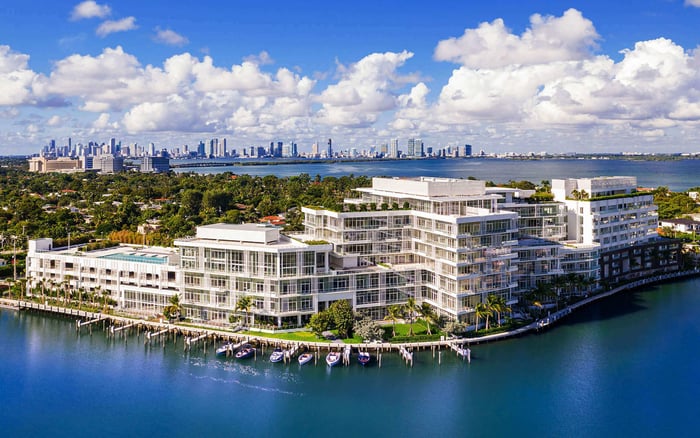
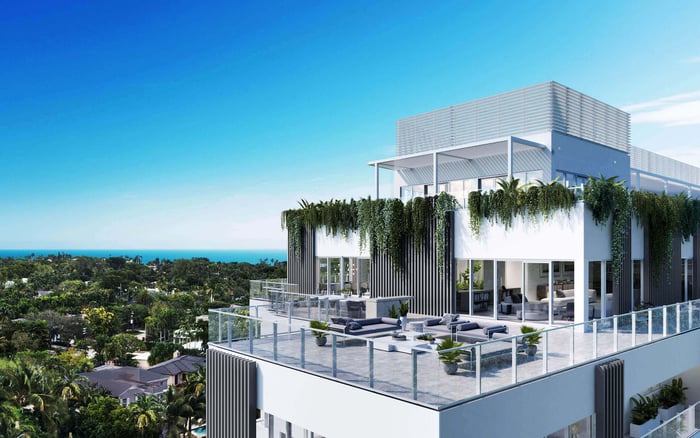
An editorial look at how private arrival, controlled access, valet choreography, intimate lobby spaces, private elevators, and marina access shape daily life at The Ritz-Carlton Residences® Miami Beach.
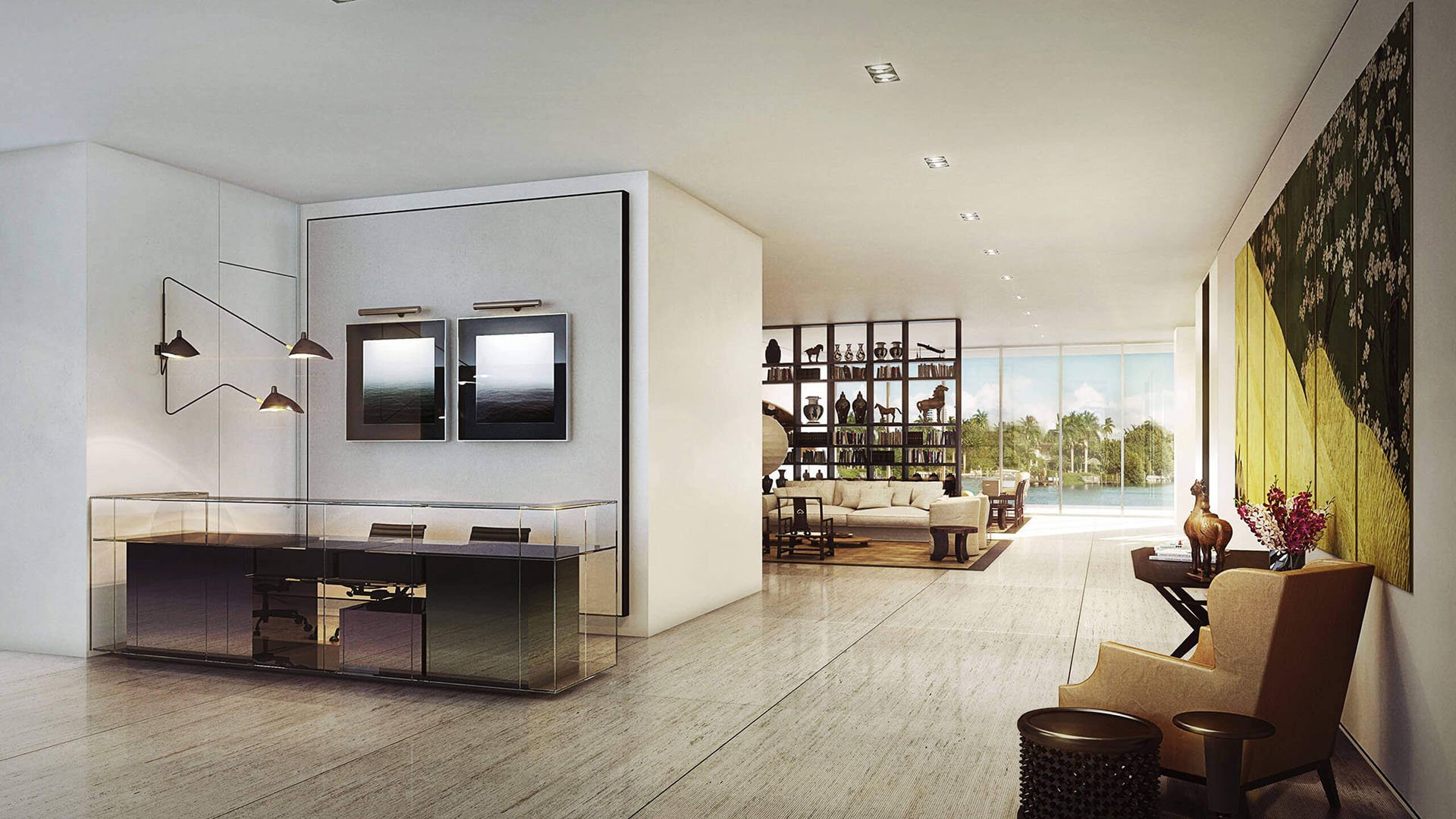
At the highest end of Miami Beach residential life, luxury is not measured only inside the residence. It begins earlier: when a car turns in, a door opens, a valet steps forward, and a resident leaves the city’s public rhythm for a quieter private environment. At The Ritz-Carlton Residences® Miami Beach, that threshold is not background. It is part of the amenity program.
The project is positioned as a branded luxury residential development that translates Ritz-Carlton hospitality into a private-home setting. That promise makes arrival especially important. For residents, the first encounter with service is not a lobby desk in isolation. It is the full sequence of approach, access, reception, circulation, and release from the outside world.
Private arrival matters because it condenses several luxury priorities into one experience: discretion, security, efficiency, and emotional calm. In a city defined by visibility and movement, the ability to arrive with less friction becomes a daily form of comfort.
Miami Beach carries a particular kind of public intensity. Streets, visitors, restaurants, hotels, waterfront activity, and social visibility all shape the atmosphere that makes the city compelling. The private residential question is different: how does a building allow residents to enjoy that energy while preserving sanctuary?
At The Ritz-Carlton Residences® Miami Beach, the resident experience is framed around a carefully managed transition from the public realm into a controlled, service-led residential environment. The arrival choreography is designed to make that shift clear from the first moment of entry. Controlled vehicular access and valet staging help reduce the friction of coming and going, while intimate lobby spaces support a privacy-oriented sense of scale.
The effect is not theatrical excess. It is a quieter form of luxury, one that recognizes how ultra-premium residents often value ease as much as spectacle. For a Miami Beach buyer, the difference may be felt before the residence itself comes into view.
In many condominium towers, arrival is treated as infrastructure. Vehicles pull up, residents step out, and the lobby absorbs everyone into the same public-facing sequence. At this project, private arrival is presented as a core amenity, not merely a functional entry condition.
Valet staging is central to that experience because it shapes both movement and perception. A well-managed arrival reduces pauses, bottlenecks, and unnecessary visibility. It also creates a point of service where hospitality can be expressed with precision: recognition, readiness, timing, and anticipation.
Lobby scale matters for the same reason. Intimate lobby spaces can feel more residential than institutional, especially when paired with controlled circulation. They soften the psychological transition from outside activity to private calm. Rather than moving residents through a grand but exposed public room, the strategy favors a more composed path inward.
That distinction is particularly relevant in the branded residence category. The Ritz-Carlton name raises expectations at the threshold. Residents are not simply entering a building. They are entering a managed environment where service standards should be immediately legible.
Arrival does not end at the lobby. For residents, the journey continues through vertical circulation, and private elevators are presented as part of the controlled experience. This is where discretion becomes architectural, not merely operational.
Private elevator access can support smoother day-to-day movement by limiting unnecessary crossings, creating clearer circulation, and reinforcing the separation between public, shared, and residential zones. For high-net-worth residents, the practical appeal is straightforward: controlled access, reduced visibility, and a more seamless movement pattern between arrival and home.
The emotional effect is equally important. A private elevator sequence can extend the sense of sanctuary upward, making the trip to the residence feel like a continuation of hospitality rather than a pause between public spaces. The best arrival experiences are not isolated moments. They are continuous, from curb to door.
The project’s on-site marina adds another layer to the arrival story. For some residents or guests, waterborne arrival introduces a different kind of privacy, one tied to the building’s waterfront setting rather than a conventional oceanfront tower model.
This distinction matters in Miami Beach. Oceanfront towers often define luxury through beach adjacency, height, and expansive coastal exposure. The Ritz-Carlton Residences® Miami Beach Miami Beach is distinguished by a lower-rise, resort-like residential character, with landscaping and marina amenities reinforcing the feeling of entering a curated residential resort rather than a standard condominium tower.
Waterview living is part of the emotional language here, but the more subtle point is how water changes approach. A marina can make arrival feel less urban and more residential, less like entering a vertical address and more like returning to a private waterfront retreat.
For buyers studying the broader Miami Beach landscape, projects such as The Perigon Miami Beach and Shore Club Private Collections Miami Beach offer different expressions of luxury along the beach and coastal corridor. The Ritz-Carlton Residences® Miami Beach stands apart in this discussion because its arrival narrative is deeply tied to the managed threshold, the marina setting, and the lower-rise resort sensibility.
A thoughtful arrival sequence can reveal how a residence will live over time. It speaks to staffing, access control, privacy, daily convenience, and the tone of the building. It also signals whether the development understands that luxury buyers often seek not only impressive spaces, but protected routines.
This is why arrival should be evaluated with the same seriousness as floor plans, terraces, finishes, and amenity decks. A beautifully designed residence can still feel exposed if the approach is chaotic. Conversely, a calm, well-managed arrival can set a tone that makes the entire property feel more considered.
Comparisons across the Ritz-Carlton residential portfolio are useful in this regard. The Ritz-Carlton Residences® South Beach places the brand within a different South Beach context, while The Ritz-Carlton Residences® Miami Beach emphasizes a private waterfront sanctuary shaped by valet, lobby intimacy, private elevators, and marina access.
For buyers who prioritize discretion, the strongest question is not simply whether a building is luxurious. It is whether the building knows how to receive them.
Why is private arrival important at The Ritz-Carlton Residences® Miami Beach? It sets the tone for the resident experience by combining discretion, controlled access, service, and a calmer transition from Miami Beach activity.
Is private arrival considered an amenity here? Yes. The arrival sequence is positioned as a core part of the luxury experience rather than a purely functional entry point.
How does valet staging affect daily life? Valet staging can reduce friction at entry and departure, making routine movement feel smoother and more service-led.
Do intimate lobby spaces contribute to privacy? Yes. Smaller, more composed lobby environments can feel more residential and less exposed than large public-facing arrival halls.
What role do private elevators play? Private elevators support controlled circulation, reduced visibility, and a more seamless path from arrival to residence.
Does the marina change the arrival experience? Yes. The on-site marina supports a waterborne arrival option for some residents or guests and reinforces the waterfront resort character.
How is this different from a typical oceanfront tower? The project is distinguished by its waterfront setting, lower-rise resort-like character, landscaping, and marina-oriented arrival experience.
Who benefits most from this kind of arrival design? Residents who value discretion, security, controlled access, and reduced day-to-day friction may find the concept especially meaningful.
Is the Ritz-Carlton brand relevant to the threshold experience? Yes. The brand promise makes the moment of arrival especially important because it is where hospitality standards first become visible.
What should buyers evaluate during a private showing? Buyers should study the approach, valet flow, lobby scale, elevator sequence, and the emotional shift from public street to private sanctuary.
For a tailored shortlist and next-step guidance, connect with MILLION.
If branded residences are on your mind — as a home or as an allocation — we would be glad to share what we are seeing, privately.
Begin a quiet conversation