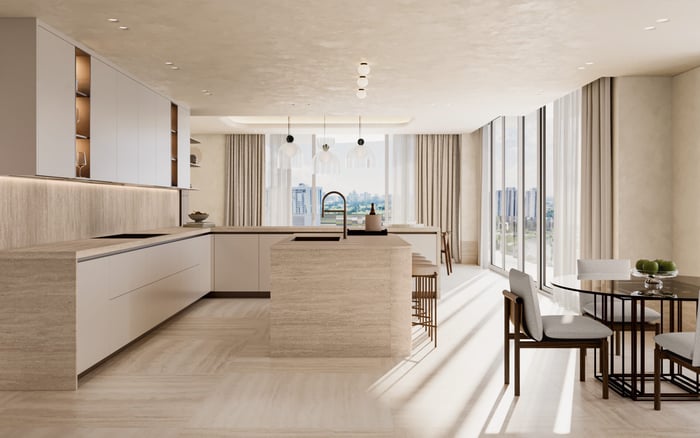
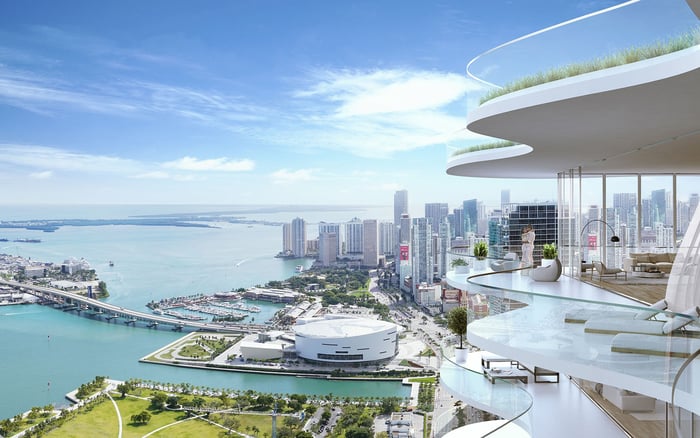
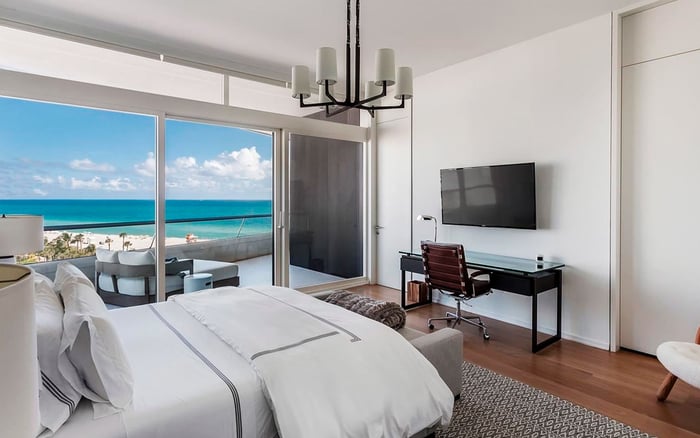
For serious Aventura buyers, the decisive luxuries are often measured in time, access, privacy, and ease rather than stone, millwork, or fashionable fixtures.
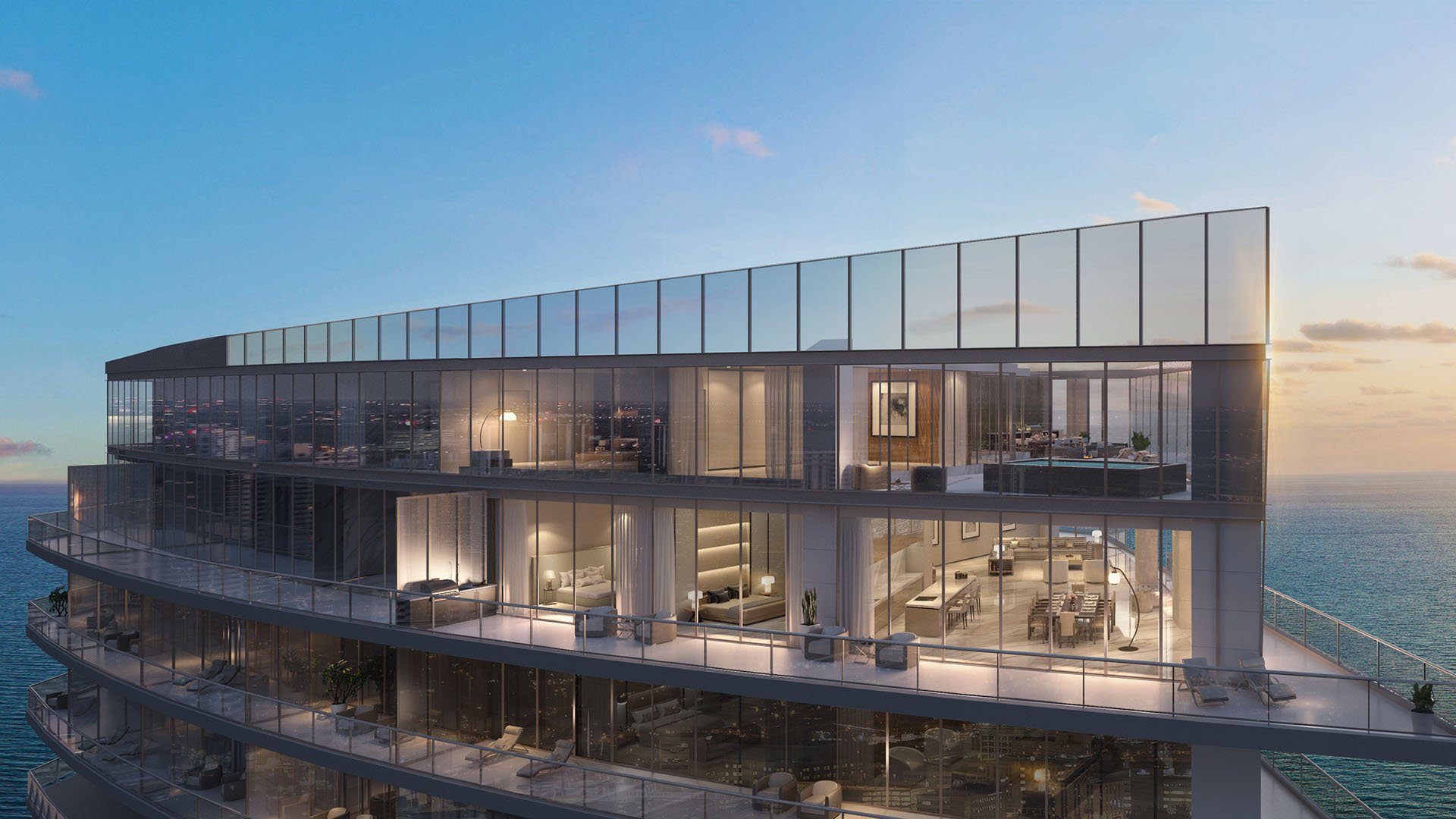
A beautifully finished residence can make an immediate impression. Yet for a serious Aventura buyer, the more consequential questions often emerge after the showing: How smoothly can the household reach school? What happens to the commute during the hours that matter? Does the arrival feel private, controlled, and calm? Will the residence support the family’s actual routine?
These are not secondary considerations. They are the operating system of the home. A dramatic kitchen, bespoke millwork, or an expansive balcony may define the mood, but convenience and confidence determine how the property performs every day. The most disciplined purchase therefore begins with life beyond the unit, then returns to the interiors.
Private-school planning should be treated as a logistical exercise, not a simple question of distance. Buyers should map the full morning and afternoon sequence, including departure, drop-off, pickup, activities, and the movements of parents, drivers, or caregivers. A route that looks manageable in isolation may feel very different when repeated several times each week.
Admission and residential decisions should also remain separate. Buyers should avoid treating an anticipated school outcome as an assumption embedded in the property purchase. Instead, the home should function across more than one plausible household schedule.
This is where a local option such as Avenia Aventura can enter a broader comparison. The point is not to select a residence from a brochure, but to place each candidate on the household’s actual movement map and determine whether the address simplifies or complicates the week.
Commute quality is about rhythm. Serious buyers should test the relevant drive at the times they expect to travel, in both directions and on more than one day. The useful question is not merely how far an office, airport connection, school, marina, or social destination appears on a map. It is how predictable the journey feels when the calendar is full.
That test may widen the search. A household considering Aventura might compare it with One Park Tower by Turnberry North Miami or look east toward Bentley Residences Sunny Isles in Sunny Isles Beach. These comparisons should be viewed through the lens of recurring routes, not neighborhood prestige alone.
A rigorous commute review includes the first and last minutes of every trip. Garage exit, gate procedures, pickup positioning, visitor access, and the ease of returning home can shape the experience as much as the main road itself. Predictability is often the true premium.
Security deserves more than a checklist. Buyers should experience the full arrival sequence: the transition from street to entrance, the handling of guests and service providers, garage access, elevator circulation, package procedures, and the path from vehicle to residence.
The objective is not theatrical restriction. It is discreet control without unnecessary friction. A system can appear comprehensive yet prove cumbersome in daily use, while an elegant protocol can preserve both privacy and hospitality. Buyers should ask how the property accommodates regular household staff, deliveries, contractors, family visitors, and late arrivals.
For waterfront living, security also encompasses the property’s edges and the relationship between private and shared areas. When comparing the wider residential radius, Shell Bay by Auberge Hallandale can be considered alongside Aventura options as part of the same operational review, without assuming that two addresses will function alike.
Finishes matter, particularly when craftsmanship, proportion, and material consistency are central to the purchase. They simply should not outrank factors that are difficult to alter. Cabinetry can be replaced. Lighting can be reconsidered. Furniture can transform a room. Surrounding circulation, household travel patterns, and building procedures are far less flexible.
This distinction is especially useful when comparing resale with new construction. A pristine presentation can command attention, but buyers should still test storage, acoustic privacy, service circulation, parking, and the transition between indoor and outdoor space. Design should support the household rather than distract from operational compromises.
A refined buying process can score each property across five categories: school-day practicality, commute predictability, security experience, residential functionality, and design quality. The categories need not carry equal weight. A family with several daily school movements may prioritize logistics, while a buyer who travels frequently may place greater emphasis on secure, lock-and-leave simplicity.
The evaluation should include every decision-maker and the people who help run the household. Ask each person to identify points of friction and moments of ease, then revisit the leading property at a less convenient hour. A polished daytime showing reveals presentation; a return visit can reveal performance.
Lifestyle is ultimately the cumulative effect of small transitions. The right Aventura residence should reduce negotiation with the day, preserve privacy, and make essential routines feel composed. When those fundamentals are right, exceptional finishes become what they should be: an enhancement to a home that already works.
Why can school access matter more than interior finishes? School logistics recur throughout the week, while many interior elements can be modified after purchase.
Should buyers choose a home based on one preferred private school? The safer approach is to test whether the residence works across several plausible school and activity schedules.
How should an Aventura commute be evaluated? Drive the actual route at the hours the household expects to travel, in both directions and on multiple days.
Is distance a reliable measure of commute quality? Not by itself. Predictability, building exit time, arrival procedures, and route alternatives can be equally important.
What should buyers inspect about residential security? Review the arrival sequence, garage access, elevators, guest entry, deliveries, service providers, and movement through shared spaces.
Can strong security still feel welcoming? Yes. The ideal experience combines discreet control with clear, graceful procedures for residents and approved guests.
Are luxury finishes unimportant? No. They matter most after the property has met the household’s practical requirements for access, privacy, and function.
What deserves attention during a second visit? Reassess parking, noise, storage, service circulation, access procedures, and the transition from street to residence.
Should nearby markets be included in the comparison? Yes. Testing adjacent locations can clarify whether Aventura best supports the household’s routes and priorities.
What is the clearest sign that a residence fits? The home makes recurring routines feel simpler without requiring the buyer to rationalize persistent points of friction.
If you'd like a private walkthrough and a curated shortlist, connect with MILLION.
If branded residences are on your mind — as a home or as an allocation — we would be glad to share what we are seeing, privately.
Begin a quiet conversation