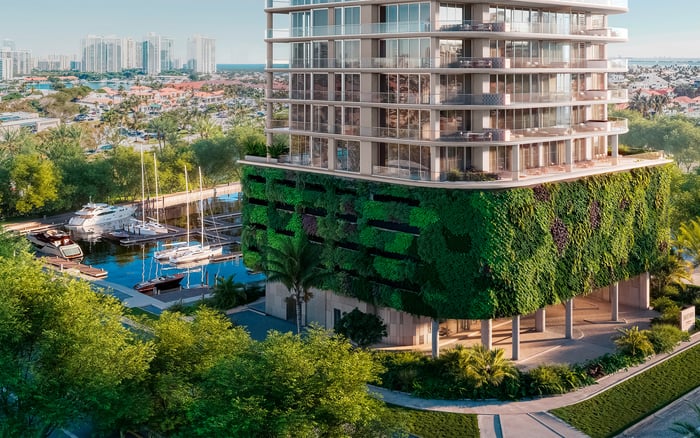
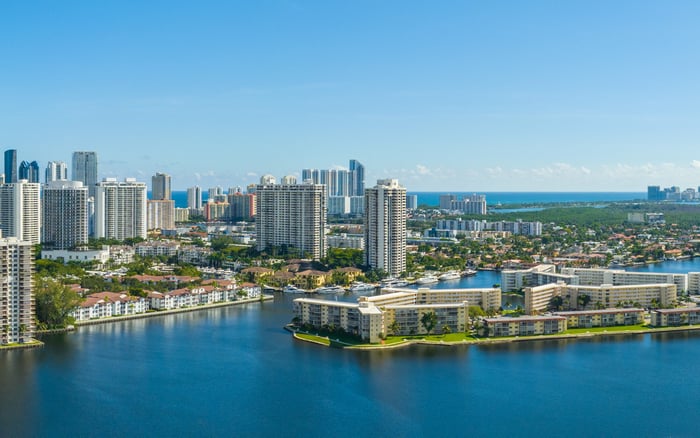
A disciplined Aventura acquisition plan aligns contract deposits, currency conversion, portfolio credit, appraisal exposure, and permanent financing before an offer is signed.

For an international or portfolio-financed buyer, an Aventura acquisition is not simply a negotiation over price. It is a sequence of interdependent funding events: currency must convert and settle, deposits must reach escrow on time, securities-backed credit must remain available, and any mortgage must proceed through appraisal and underwriting.
The first discipline is to build a single closing calendar before making an offer. It should identify the initial deposit, every additional deposit, contingency expirations, the closing-funds deadline, expected foreign-exchange settlement, credit-line draw timing, mortgage milestones, and wire cutoffs. Contract terms control, so the buyer and advisers should review the actual agreement.
This framework applies across resale, pre-construction, and new-construction opportunities. A buyer comparing Avenia Aventura with residences in neighboring South Florida markets should not assume that deposit structures, documentation standards, or funding sequences are interchangeable.
The strongest offer is not merely liquid on paper; it is executable on every contractual date.
A buyer whose wealth or income is held outside the United States faces two distinct questions: how much a conversion will yield and when the converted dollars will become available for an escrow or closing wire. An indicative exchange rate is not the same as settled funds.
Before contracting, request written conversion deadlines, settlement timing, fees, receiving-account instructions, wire procedures, and any intermediary-bank requirements from the chosen provider. Confirm whether a conversion initiated near a deposit deadline could settle too late for the closing agent's cutoff. Include holidays and time-zone differences in the calendar.
Currency exposure also requires a defined decision point. The appropriate approach depends on the currencies, institutions, timing, and buyer. Operationally, the parties should establish who may authorize a conversion, what documentation the closing team needs, and how much scheduling margin will be retained.
For a second-home buyer comparing Aventura with Bentley Residences Sunny Isles, property selection and currency execution should proceed on coordinated tracks rather than sequentially.
Do not assume a standard deposit percentage or escrow schedule for Aventura. Extract each obligation directly from the proposed contract and place it in a deposit matrix. For every stage, record the amount, due date, recipient, permitted funding account, wire instructions, notice mechanics, and consequences of delay.
Then assign a verified source to each payment. That source might be existing U.S. dollar cash, converted foreign currency, a securities-backed credit draw, or another approved facility. Money should be treated as available only after the relevant conditions are satisfied and it can be transmitted within the required window.
The matrix is also useful when assessing One Park Tower by Turnberry North Miami alongside Aventura options. It allows the buyer to compare contractual cash-flow demands without confusing a residence's purchase price with the timing risk embedded in its payment schedule.
A securities-backed line of credit uses eligible investment assets as collateral. Before relying on one for an Aventura purchase, the buyer should confirm that the contemplated use is permitted, the required collateral is eligible, and the planned transfer route is acceptable to the lender and closing team.
Nominal portfolio value should not be treated as confirmed borrowing capacity. Eligibility, concentration, volatility, lender terms, and the current value of pledged assets can affect availability. Request the applicable collateral schedule and confirm the approved line, undrawn amount, draw process, transfer destination, wire timing, interest-rate terms, maintenance requirements, and lender rights.
The buyer should also coordinate legal and tax review before deciding whether credit is preferable to selling assets. The purpose is not to favor one funding method, but to ensure that the selected method can perform under the contract.
A decline in pledged assets may reduce borrowing availability or require action under the credit agreement. A downside review should determine whether the transaction remains fundable if collateral values fall, whether enough eligible collateral remains, and whether separate liquidity is available for an unexpected funding need.
Interest warrants a parallel review. Model the carrying cost under the facility's current terms and less favorable scenarios, then establish a realistic repayment or mortgage-refinance plan. If the line is intended as an acquisition bridge, permanent financing should be evaluated before closing rather than presumed available afterward.
When a purchase depends on mortgage financing, the appraisal may affect the lender's final loan calculation. If the appraised value is below the contract price, the buyer may need additional cash, a revised financing structure, a contractual remedy, or another response permitted by the agreement.
Any appraisal-gap commitment should be capped at a sum supported by verified liquidity. Model the contract price, planned loan amount, potential shortfall, closing costs, remaining deposits, and post-closing reserve. Do not let one pool of funds carry every obligation.
This distinction matters when considering Aventura and nearby waterfront choices such as 2000 Ocean Hallandale Beach. The appraisal question is transaction-specific, and a compelling residence does not eliminate the need to reconcile valuation risk with the lender's final calculation.
Keep an unpledged liquidity reserve separate from pledged collateral, scheduled deposits, and baseline closing funds. Otherwise, an appraisal shortfall and a collateral-related funding request could compete for the same capital immediately before closing. The reserve should reflect the buyer's contract exposure, portfolio composition, currency path, and financing plan rather than a generic percentage.
Before making the offer, convene the closing attorney, mortgage lender, wealth manager, and foreign-exchange provider. Each should agree on source-of-funds documentation, account ownership, transfer destinations, wire sequencing, and decision deadlines. Legal, tax, lending, and foreign-exchange terms vary by institution and transaction and require independent review.
The essential standard is controlled execution: every promised dollar should have a documented source, tested fallback, and delivery date.
For discreet guidance on an Aventura acquisition, connect with MILLION.
If branded residences are on your mind — as a home or as an allocation — we would be glad to share what we are seeing, privately.
Begin a quiet conversationIt is a credit facility secured by eligible assets in an investment account. Availability and permitted uses depend on the specific lender agreement.
The buyer must confirm that the contemplated use is permitted under the facility and that funds can follow the closing team's approved transfer route.
Asset eligibility, concentration, market value, and lender terms can affect how much credit is available.
Confirm the approved line, undrawn availability, draw procedure, transfer destination, wire timing, interest terms, and maintenance requirements.
Test whether the acquisition remains fundable if pledged assets decline and identify separate liquidity for an unexpected funding need.
Model carrying costs under the facility's current terms and less favorable scenarios, then establish a realistic repayment or refinancing plan.
Confirm conversion deadlines, settlement timing, fees, receiving-account requirements, and wire procedures in writing before contracting.
No schedule should be assumed. Each amount, due date, contingency expiration, and closing deadline should come from the specific contract.
An appraisal gap occurs when the appraised value is below the contract price. It may affect the lender's loan calculation and the buyer's required cash.
A separate reserve helps prevent an appraisal shortfall and a collateral-related funding request from competing for the same funds before closing.