For an Aventura waterfront purchase, the most revealing documents often concern humidity control, prior water events, seasonal absence care, and the building’s ability to respond when weather or mechanical failure tests its systems.
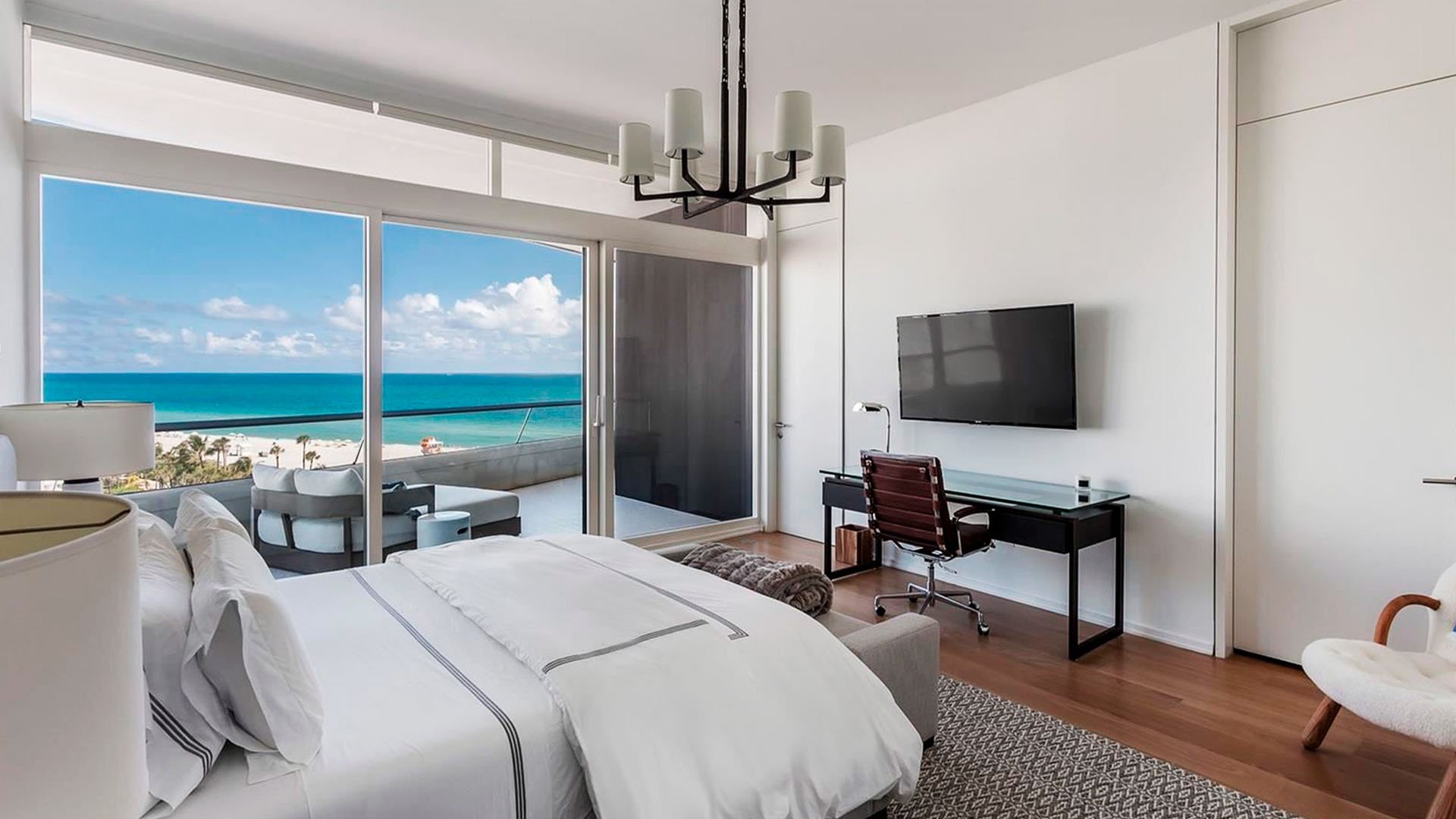
A waterfront home in Aventura may be defined visually by light, glazing, terraces, and open water. Its due-diligence file should be defined differently: as evidence of how the residence and building manage moisture, vacancy, severe weather, and urgent repairs. That distinction is particularly important for a second-home owner whose property may remain closed through portions of South Florida’s humid summer.
This operational review belongs alongside financial, legal, and physical inspections. Whether considering Avenia Aventura or evaluating a resale elsewhere in the city, a buyer should seek written procedures rather than rely on general assurances. Within serious buyer’s guides, the decisive questions are simple: Who monitors the home? What thresholds trigger action? How quickly can qualified professionals enter and stabilize it?
The strongest due-diligence file shows not only what happened, but who responded and how the work was verified.
Indoor relative humidity should remain below roughly 60 percent and be checked with a hygrometer; 30 to 50 percent is an ideal indoor range. If the air-conditioning system cannot consistently maintain that range, a properly managed dehumidifier may be necessary.
Air conditioning should never be shut off entirely during an ordinary seasonal absence. For an extended departure, the file should document a humidistat strategy or a thermostat setting no higher than the high 70s. HVAC condensate lines should be serviced annually. Buyers should request service records and determine whether building staff, a caretaker, or a home-management firm confirms readings after departure.
The same discipline applies when comparing nearby coastal residences such as Bentley Residences Sunny Isles. A sophisticated climate-control interface is useful only when thresholds, alerts, access permissions, and escalation responsibilities are clearly assigned.
Daily moisture management matters as well. Bathroom and kitchen exhaust fans should run during and after showering or cooking to remove vapor before it condenses. Routine inspections should cover windows, plumbing areas, HVAC components, and other concealed locations where condensation or leakage may persist.
Request residence and association records for mold, leaks, flooding, and water intrusion, together with remediation scopes, completion documents, and related insurance-claim history. The objective is not merely to establish whether an event occurred, but to understand its source, the affected materials, response interval, repair, verification, and risk of recurrence.
A qualified remediation scope should address containment, HEPA filtration, removal of contaminated materials, and post-remediation verification under IICRC S520-based protocols. Some waterfront prevention programs also use antimicrobial coatings or specialized systems intended to discourage recurring growth. Such measures should supplement correction of the moisture source, not replace it.
After any water intrusion, conditions should be documented promptly, with professional drying and remediation arranged rapidly to limit secondary mold growth. Determine whether the building has on-call restoration contractors and a defined target for inspecting concealed moisture after a pipe failure, façade leak, or storm. A waterfront address deserves a response standard proportionate to its exposure.
A summer lock-up protocol should be written, residence-specific, and accepted by every party involved. It should cover HVAC and humidity settings, water shutoff, inspection frequency, emergency access, caretaker authority, alarm handling, and removal of vulnerable items from exterior areas. A smart-home dashboard is no substitute for a person authorized to investigate an alert.
The mandate should identify who receives temperature, humidity, leak, and power notifications, then specify what that person may do without waiting for the owner. It should also establish a reporting format with time-stamped photographs and readings. For a waterview residence with extensive glazing, inspections should include window and sliding-door areas where wind-driven water or condensation could remain out of sight.
Owners should reconcile utility instructions carefully. During a routine absence, HVAC or dehumidification must continue operating. During an emergency, however, water, gas, or electrical service may need to be shut off when directed or appropriate to reduce leak, sewer-backup, and fire hazards. The written plan should distinguish between these scenarios rather than apply a single blanket rule.
Obtain the association’s current written hurricane or emergency-operations plan, its revision date, and the schedule of owner responsibilities and preparation deadlines. Confirm how notices are delivered-by email, text, postings, or staff announcements-and register for Aventura emergency notifications. The residence’s Miami-Dade storm-surge planning zone should also be identified so the owner can follow applicable evacuation guidance.
Before a storm, all furniture, plants, umbrellas, décor, and personal property should be removed from balconies and patios. Windows and sliding doors should be closed and locked, available shutters engaged, and vulnerable electronics moved away from glazing. A balcony-clearance rule is valuable only when the association explains who checks compliance and how an absent owner authorizes access.
Buyers comparing coastal towers, including Turnberry Ocean Club Sunny Isles, should determine how management coordinates evacuation, elevators, life-safety systems, and post-storm entry. During an emergency, residents should avoid elevators and use stairs, subject to official instructions. If authorities order evacuation for the condominium’s zone, residents should leave for safer housing or a shelter rather than remain in the building.
The emergency plan should maintain current contacts for management, security, elevator and fire-alarm vendors, restoration contractors, plumbers, electricians, and engineers. Names alone are insufficient. Confirm after-hours coverage, authorization limits, access procedures, and responsibility for communicating status to owners.
Hurricane procedures, vendor rosters, staff assignments, and communication systems should be reviewed before every storm season. Ask management to walk through a realistic sequence: An alarm arrives overnight; security confirms water; a riser or residence supply is isolated; restoration crews enter; concealed areas are assessed; and the owner receives documentation. The quality of that sequence is a meaningful point of comparison for residences such as 2000 Ocean Hallandale Beach and other coastal properties.
Private security alarms also require a documented power-failure procedure because backup alarms may sound continuously until batteries fail. Any instruction to disable an alarm should come from the applicable building or security protocol, with responsibility clearly assigned.
The final review should produce a concise schedule of open items: missing incident records, overdue condensate service, unclear humidity thresholds, incomplete caretaker authority, outdated vendor contacts, or an emergency plan without a recent revision date. Material findings can then be directed to the appropriate inspector, engineer, remediation professional, insurance adviser, or counsel.
Luxury in Aventura is not only the quality of the view. It is the confidence that an empty residence remains controlled, that water is discovered early, and that a tested response begins without ambiguity.
For discreet guidance on evaluating South Florida’s finest residences, connect with MILLION.
If branded residences are on your mind — as a home or as an allocation — we would be glad to share what we are seeing, privately.
Begin a quiet conversationKeep relative humidity below roughly 60 percent. Coastal prevention guidance identifies 30 to 50 percent as an ideal indoor range.
No. Air conditioning should remain on, with a humidistat or a thermostat setting no higher than the high 70s for an extended absence.
Use a hygrometer and establish who will review readings and respond to alerts while the residence is vacant.
Inspect windows, plumbing areas, HVAC components, and concealed locations where condensation or leakage may persist.
It should address containment, HEPA filtration, contaminated-material removal, and post-remediation verification under IICRC S520-based protocols.
Request mold, leak, flood, and water-intrusion logs, remediation documentation, and related insurance-claim history.
Include HVAC settings, water shutoff rules, inspections, emergency access, caretaker authority, alarm handling, and exterior-item removal.
Remove furniture, plants, umbrellas, décor, and all other personal property from balconies and patios.
The roster should include management, security, elevator and fire-alarm vendors, restoration contractors, plumbers, electricians, and engineers.
They should leave for safer housing or a shelter and follow official evacuation and life-safety instructions.