Palm Beach Gardens offers frequent travelers a quieter northern Palm Beach County base with airport access, private aviation options, golf culture, luxury retail, and polished daily convenience.
For buyers who travel weekly, the strongest South Florida address is not always the most visible one. Palm Beach Gardens makes its case through composure. Set in northern Palm Beach County, north of West Palm Beach and close to Jupiter-area coastal communities, the city offers a residential atmosphere that feels calmer than the denser centers farther south, while still connecting owners to the region’s business, retail, airport, and leisure infrastructure.
That balance matters to executives, founders, family-office principals, physicians, and seasonal owners whose weeks move between boardrooms, client visits, family obligations, and long weekends. The appeal is not spectacle. It is control: a refined home base with privacy, country-club culture, dependable daily conveniences, and a strong relationship to Palm Beach International Airport. In luxury real estate terms, Palm Beach Gardens is a low-friction choice.
Palm Beach International Airport is the key commercial airport for Palm Beach Gardens buyers who are regularly in motion. For weekly travelers, that proximity supports a more rational ownership pattern: home, airport, meetings, return, decompress. The experience differs from living deep inside a denser urban core, where every departure can feel like an event before the flight even begins.
The airport’s relevance extends beyond commercial service. Palm Beach International also supports private aviation infrastructure, with Signature Aviation and Atlantic Aviation operating at the airport. For high-net-worth owners who value flexible departures, late arrivals, or aircraft access tied to business schedules, that private-flight utility strengthens Palm Beach Gardens’ position as a serious executive base rather than simply a leisure market.
Road connectivity reinforces the equation. Palm Beach Gardens sits near major South Florida corridors that help residents move between home, the airport, West Palm Beach, Palm Beach, Jupiter, and regional business destinations. The point is not to promise a universal drive time, because schedules and traffic vary. The point is that the city occupies a practical northern node, close enough to the region’s core assets while retaining a more residential cadence.
The strongest weekly-traveler markets minimize errands. Palm Beach Gardens does this with a concentration of retail, dining, fitness, entertainment, and club-oriented lifestyle assets that make part-time ownership easier to manage.
The Gardens Mall gives the city a major luxury retail anchor within its own boundaries, reducing the need to default to Miami or Palm Beach for every elevated shopping need. Downtown Palm Beach Gardens adds restaurants, retail, fitness, and entertainment in a walkable mixed-use setting. PGA Commons provides another dining and lifestyle district with the kind of everyday usefulness that matters when an owner is in town for only a few days at a time. Alton Town Center serves newer residential growth areas with modern retail and dining, making it especially relevant for owners who prefer convenience close to home.
This is where the Palm Beach-oriented buyer often notices the difference. The environment can be polished without being performative. A resident can land, dine locally, work remotely the next morning, shop efficiently, and host family or colleagues without turning every task into a cross-county itinerary.
Palm Beach Gardens has long been associated with golf and club-oriented living, and that identity is central to its appeal for frequent travelers. PGA National Resort is one of the city’s best-known luxury anchors, combining golf, resort amenities, dining, spa, and residential cachet. More broadly, the concentration of golf and club communities supports buyers who want built-in recreation, social infrastructure, and a structured sense of place.
For a weekly traveler, golf is not only a sport. It is a scheduling advantage. A club environment can turn limited time in residence into immediately usable time, whether that means a morning round, dinner without leaving the community orbit, or a weekend that feels complete without driving south. Gated-community living can add another layer of reassurance for owners who travel often, especially those seeking privacy and controlled residential environments.
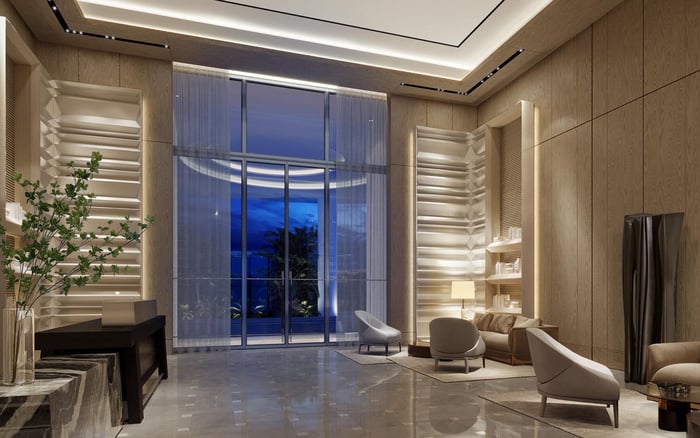
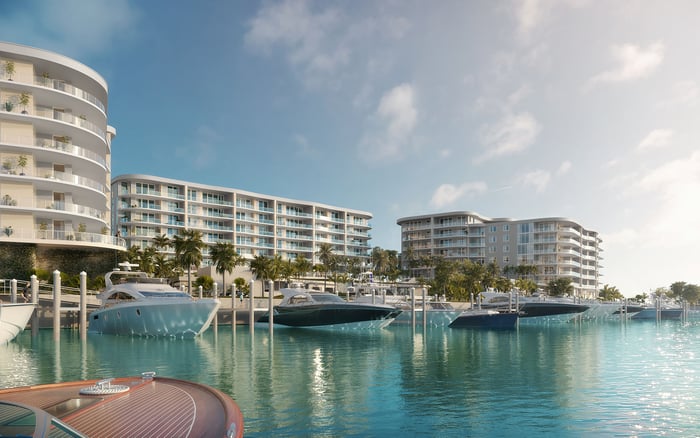
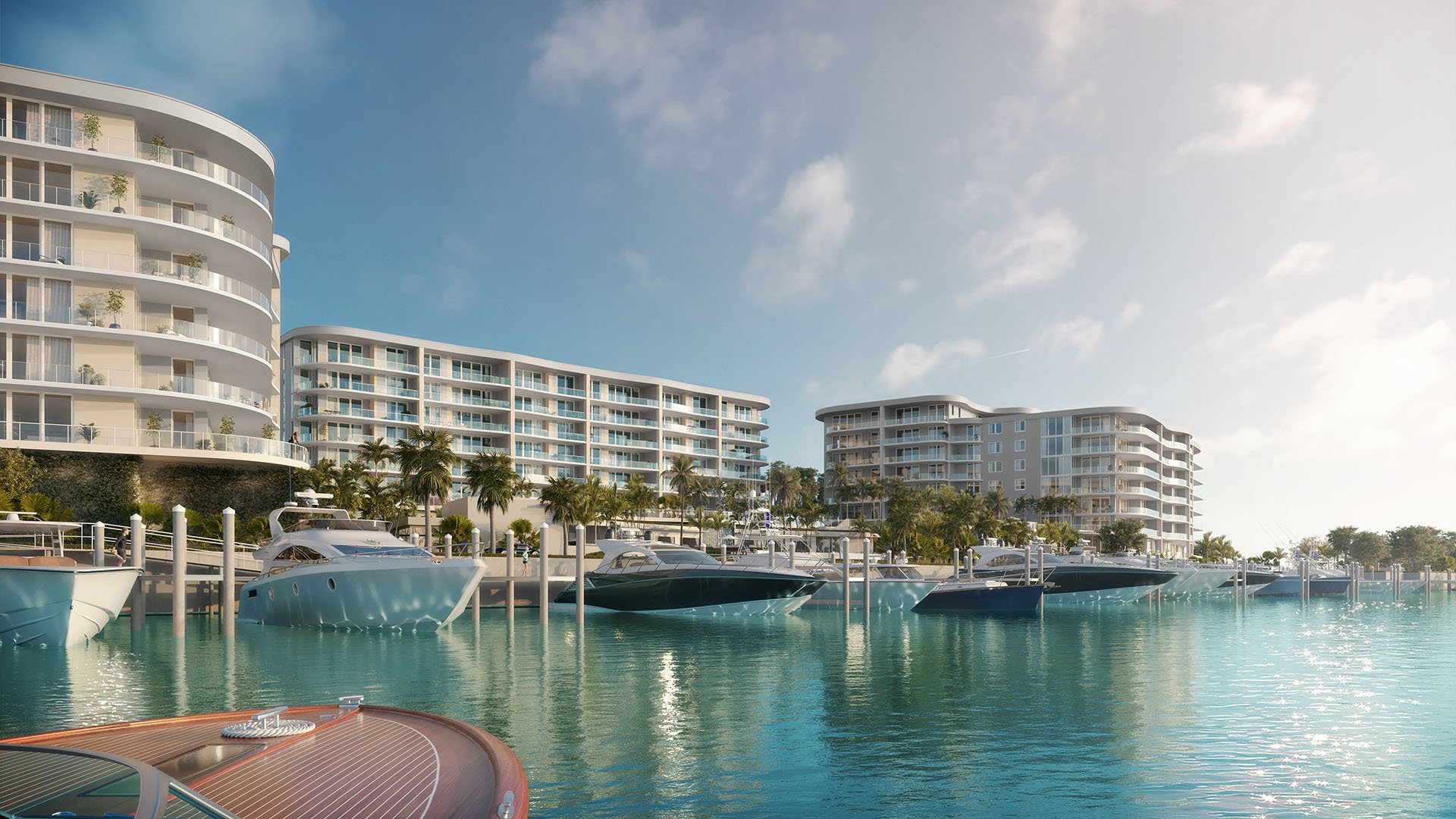
This is also why branded and highly serviced residences resonate in the area. The Ritz-Carlton Residences® Palm Beach Gardens fits naturally into the conversation for buyers who want a lock-and-leave setting aligned with the city’s composed, resort-adjacent lifestyle. Nearby West Palm Beach options such as Alba West Palm Beach and Mr. C Residences West Palm Beach may appeal to those comparing Palm Beach Gardens’ suburban privacy with a more urban waterfront or hospitality-led residential rhythm. For buyers evaluating the broader northern luxury corridor, The Ritz-Carlton Residences® West Palm Beach provides another point of comparison without shifting the search all the way to Miami.
Palm Beach Gardens should not be understood as a substitute for Miami, Fort Lauderdale, or Palm Beach. It serves a different buyer psychology. Miami offers global density, nightlife, and financial-district energy. Fort Lauderdale offers yachting access, beaches, and a strong urban-waterfront profile. Palm Beach offers legacy prestige and island formality. Palm Beach Gardens offers something more residential: privacy, club culture, daily convenience, and access to a major airport without requiring an owner to live in the middle of the region’s busiest urban patterns.
That makes it particularly compelling for the second-home buyer who wants the home to work even when the owner is away. The city’s value proposition is less about a single amenity and more about compression. Airport access, private aviation options, major retail, dining districts, golf clubs, and gated inventory exist within one northern Palm Beach County base. For weekly travelers, that compression is the luxury.
The best Palm Beach Gardens purchase begins with an honest schedule audit. If weekly flights define the calendar, airport access and low-maintenance ownership should rank high. If the home is used for decompression after travel, privacy, outdoor space, wellness access, and club proximity become central. If family will use the residence when the primary owner is away, retail, dining, schools, beaches, and medical access may shape the right neighborhood choice.
Buyers should also decide whether they want a community-first lifestyle or a more flexible residential footprint. Palm Beach Gardens can support both, but the strongest fit is usually the buyer who values polish, routine, and discretion more than constant urban intensity.
Is Palm Beach Gardens a good base for weekly travelers? Yes. It combines a quieter northern Palm Beach County setting with access to Palm Beach International Airport, road corridors, retail, dining, golf, and club-oriented communities.
Which airport matters most for Palm Beach Gardens buyers? Palm Beach International Airport is the key commercial airport for the area. It also supports private aviation infrastructure useful to executives and frequent flyers.
Does Palm Beach Gardens support private aviation needs? Yes. Signature Aviation and Atlantic Aviation operate at Palm Beach International Airport, adding flexibility for owners who use private or charter flight options.
Why choose Palm Beach Gardens instead of Miami? Palm Beach Gardens offers a more residential, lower-density feel. It suits buyers who prioritize privacy, golf, daily convenience, and airport access over urban intensity.
Is the area suitable for a lock-and-leave residence? Yes. The city’s retail, dining, club, and mixed-use districts support owners who may be in residence for short, frequent stays rather than full-time occupancy.
What lifestyle anchors define Palm Beach Gardens? The city is shaped by golf, country-club living, luxury retail, local dining districts, and proximity to West Palm Beach, Palm Beach, and Jupiter-area communities.
How important is The Gardens Mall to the buyer profile? It is a significant luxury retail anchor within the city. That local access reduces the need for routine shopping trips to farther South Florida destinations.
Does Palm Beach Gardens work for executives with regional meetings? Yes. Its position near major road corridors helps residents move between the airport, West Palm Beach, Palm Beach, Jupiter, and other business destinations.
What type of buyer is the strongest fit? The strongest fit is a buyer who wants a refined, private base with golf, club infrastructure, retail convenience, and recurring travel access.
Is Palm Beach Gardens more about leisure or practicality? It is both. The city’s appeal is that leisure infrastructure and practical travel access coexist in a polished residential setting.
If you'd like a private walkthrough and a curated shortlist, connect with MILLION.
If branded residences are on your mind — as a home or as an allocation — we would be glad to share what we are seeing, privately.
Begin a quiet conversation