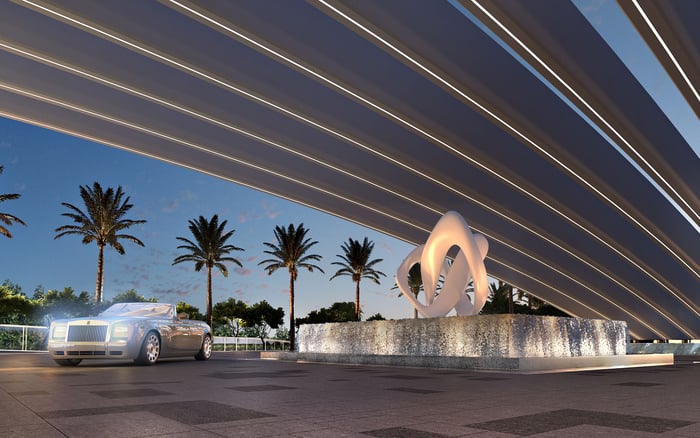
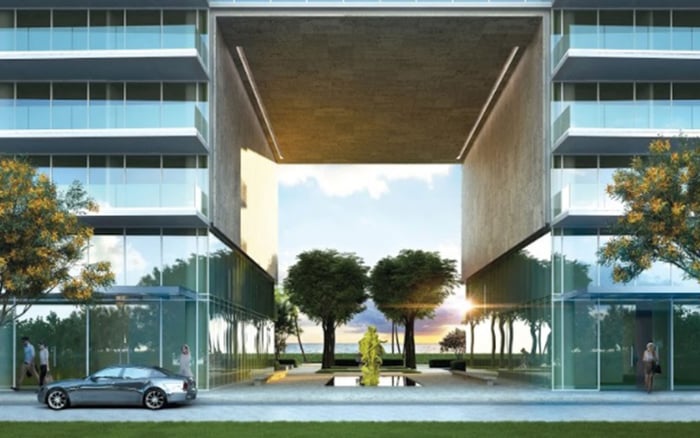
Oceana Bal Harbour stands out for buyers who want oceanfront living with private elevators, controlled arrival, and a residential sense of privacy from entry to residence.
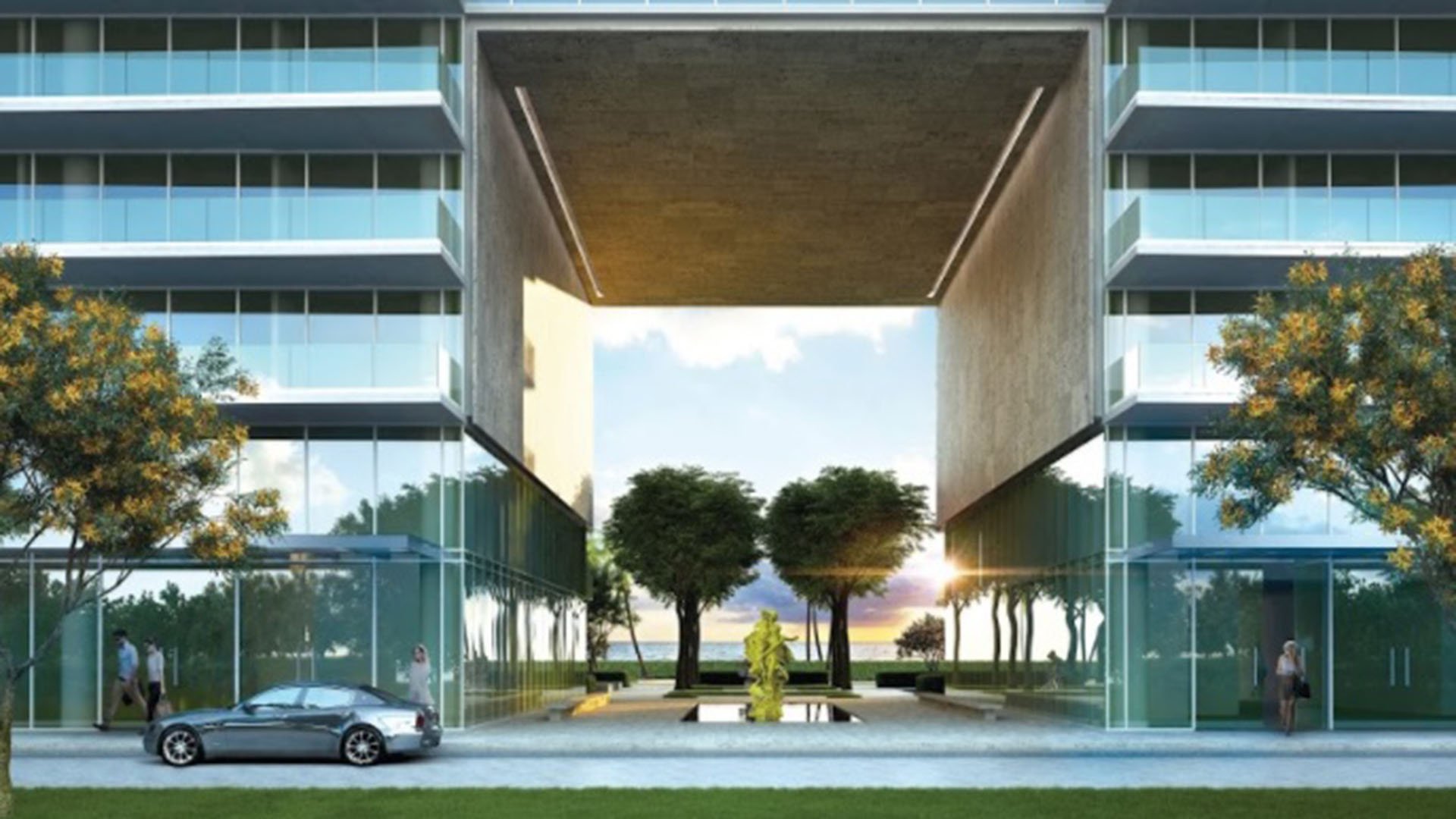
For many South Florida luxury buyers, privacy no longer begins at the home’s front door. It begins at the curb, continues through the lobby, and is reinforced during the elevator ride to the residence. That is the lens through which Oceana Bal Harbour deserves attention: not simply as an oceanfront condominium, but as a building whose ownership experience is organized around controlled arrival and private vertical circulation.
In a market filled with branded residences, hospitality-driven towers, and mixed-use environments, the first question for certain buyers is not how dramatic the lobby feels. It is how quietly and securely they can move from vehicle to residence without unnecessary contact with the public realm. Oceana Bal Harbour is positioned for precisely that buyer, especially owners who value discretion as a daily condition rather than a special occasion.
That distinction matters. The building’s privacy story is not confined to interiors, views, or finishes. It extends to the way residents enter, circulate, and experience the property. For buyers comparing Oceana Bal Harbour with other premier coastal options, the shortlist rationale begins with a simple premise: the arrival sequence should feel residential, composed, and protected.
Private elevator access is the central feature tying Oceana Bal Harbour’s vertical circulation to its privacy-first appeal. In practical terms, the elevator is one of the few spaces in a condominium where even the most private residence can become part of a more public routine. A private elevator experience changes that rhythm.
For the buyer who hosts family discreetly, returns from travel frequently, or simply prefers minimal interaction between arrival and residence, private vertical circulation becomes a meaningful design advantage. It reduces the sense of exposure that can accompany high-traffic buildings, especially those with visitors, hotel guests, retail patrons, or constant amenity movement.
This is not about isolation. It is about control. A luxury buyer may enjoy social spaces, service, and a resort-like atmosphere, yet still want the path home to feel calm and personal. Oceana Bal Harbour’s positioning answers that preference by making privacy part of the everyday architecture of ownership.
South Florida has become fluent in spectacle. Many new luxury projects are designed to announce themselves, often with dramatic entrances, branded hospitality cues, or layered public energy. For some buyers, that creates excitement. For others, it creates friction.
Oceana Bal Harbour’s appeal moves in the opposite direction. Its arrival experience is framed as choreographed and designed to create a secure, resort-like first impression without leaning into a high-traffic mixed-use atmosphere. That is a subtle but powerful distinction. The experience can still feel polished and elevated, but it is not dependent on crowds or constant public activation.
This is where the building becomes especially relevant to buyers who want a condominium to feel more residential than public-facing. The value is not only in what residents see when they arrive, but in what they do not have to navigate: casual visitors, retail traffic, and hotel-style foot movement. In a market where energy can be mistaken for luxury, controlled calm can be the higher form of refinement.
Nearby and adjacent coastal conversations may include Rivage Bal Harbour, while buyers looking just south may also consider Arte Surfside. Those comparisons are useful because they sharpen the question: which building best matches the owner’s tolerance for visibility, movement, and public interaction?
Oceanfront living is already a scarce luxury in South Florida, but oceanfront living paired with controlled arrival is a narrower proposition. That is why Oceana Bal Harbour belongs in serious consideration for buyers who do not see privacy as a secondary amenity. The oceanfront setting provides the emotional draw, while the private elevator and arrival experience provide the operational discipline.
The result is a residence that can feel resort-like without becoming hotel-like. That difference matters to buyers who want the visual calm of the coast, the prestige of Bal Harbour, and a building experience that reduces unnecessary public exposure. Oceanfront, in this context, is not merely about view orientation or beach proximity. It is about pairing a privileged setting with a controlled way of living.
For some buyers, the broader search may stretch north to options such as Bentley Residences Sunny Isles or west into urban vertical luxury at The Residences at 1428 Brickell. Those markets serve different lifestyle preferences, but the central screening question remains consistent: does the building protect the owner’s transition from public life to private residence?
Oceana Bal Harbour is especially compelling for buyers who prioritize discretion over theatrical arrival. The best-fit owner is not necessarily looking for the loudest address or the most publicly animated environment. They are looking for a building where the daily sequence feels intentional, private, and easy to understand.
That can include international owners, executives, family offices, seasonal residents, and buyers who divide time among several homes. It can also include end users who understand that true luxury is often measured by the absence of friction. If the elevator, lobby, and arrival sequence consistently support privacy, the residence itself feels more protected.
This is why the building’s shortlist appeal is stronger than a generic amenity checklist. Private elevators and controlled arrival are not decorative features. They shape how ownership feels every day. They affect how guests are received, how family members move through the property, and how residents return home after a public-facing day.
For buyers comparing Bal Harbour with Surfside, Sunny Isles, Brickell, and other high-value South Florida markets, Oceana Bal Harbour presents a clear proposition: oceanfront luxury with a circulation model designed to feel private from the beginning, not merely after the front door closes.
The strongest case for Oceana Bal Harbour is its coherence. The building is not merely offering privacy as a marketing phrase. Its appeal is tied to the sequence of arrival, the control of movement, and the separation from more public forms of luxury condominium living.
For the right buyer, that coherence is decisive. The residence may be the destination, but the path to it determines how ownership feels. Oceana Bal Harbour belongs on the shortlist because it treats that path as part of the luxury itself.
Why is Oceana Bal Harbour relevant for buyers seeking private elevators? Private elevator access is central to its privacy-oriented ownership experience, connecting vertical circulation directly to the residence.
What does controlled arrival mean in this context? It refers to an arrival sequence designed to feel secure, composed, and more residential than public-facing.
Is the appeal mainly about interiors? No. The privacy story extends beyond interiors to how residents enter, move through, and experience the building.
Who is the best-fit buyer for Oceana Bal Harbour? It suits buyers who value discretion, controlled access, and oceanfront living.
How does Oceana Bal Harbour differ from mixed-use luxury environments? Its appeal centers on separation from retail crowds, casual visitors, and hotel-style foot traffic.
Does the oceanfront setting matter to the privacy argument? Yes. The oceanfront setting strengthens the proposition by pairing coastal luxury with controlled residential circulation.
Is controlled arrival the same as having a grand lobby? Not necessarily. Controlled arrival is less about spectacle and more about security, privacy, and a refined transition home.
Should buyers compare Oceana Bal Harbour with nearby coastal properties? Yes. Comparing nearby options can clarify whether privacy, arrival control, or public energy matters most.
Is Oceana Bal Harbour better suited to full-time or seasonal owners? It can appeal to both, especially owners who want a calm and discreet arrival experience whenever they are in residence.
What is the main reason to shortlist Oceana Bal Harbour? Its rare combination of private vertical circulation, controlled arrival, and oceanfront luxury makes it highly specific to privacy-first buyers.
To compare the best-fit options with clarity, connect with MILLION.
If branded residences are on your mind — as a home or as an allocation — we would be glad to share what we are seeing, privately.
Begin a quiet conversation