Miami Design District can suit golf-oriented luxury buyers when the residence is evaluated less as a static address and more as an operating platform for privacy, cars, gear, recovery and schedule control.

For the golf-oriented buyer, the question is rarely whether a home sits directly beside a fairway. In South Florida, the more sophisticated question is whether the building can protect the rhythm of a golf life. That rhythm often begins before sunrise, usually depends on a car rather than a sidewalk, and turns on small operational details that either make the day feel effortless or quietly erode the value of the address.
Miami Design District can work for this profile when the residence functions as a disciplined operating base. The buyer may want city dining, design culture, privacy and a polished lock-and-leave lifestyle, while still expecting a morning golf schedule to unfold without friction. That places the burden on the building. Arrival, valet choreography, elevator privacy, storage, staff responsiveness, package handling, fitness access and post-round recovery all matter.
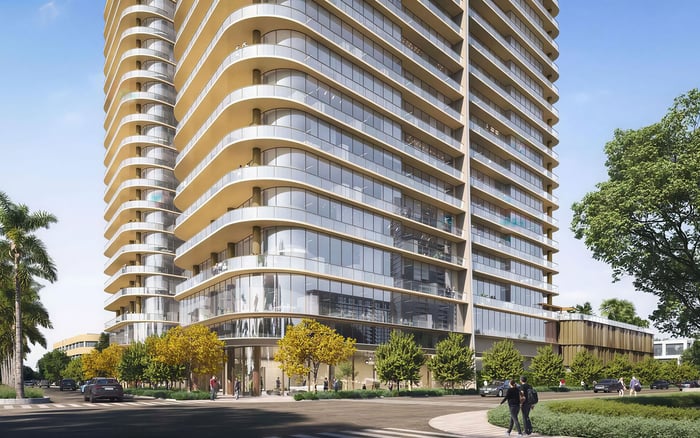
This is where the conversation moves beyond finishes. A marble lobby is pleasant. A building team that can stage a car, manage clubs, anticipate guests and keep the owner invisible when desired is more valuable. For a buyer comparing Kempinski Residences Miami Design District, the essential diligence is not only architectural taste. It is whether the daily operating model supports the way a golfer actually lives.
Golf buyers often separate lifestyle into two worlds: the club world and the home world. A suburban club address can be ideal for the first, but not always for the second. Some owners want evenings closer to restaurants, galleries, private appointments and a more urban social pattern. Others want a second home that can be entered and exited with minimal household administration.
Design District appeals to that buyer because it can offer an urban base without requiring the owner to surrender the rituals that make golf enjoyable. The fit depends on a car-forward mindset. The buyer is not choosing the neighborhood because it eliminates driving. The buyer is choosing it because the building can make driving feel composed.
That is a subtle but important distinction. A golf-oriented owner may tolerate distance if the departure is predictable, the car is ready, the clubs are secure and the return is easy. The problem is not travel itself. The problem is unmanaged travel, poor valet sequencing, awkward loading, tight access points and staff who do not understand that a tee time is not a flexible social appointment.
A golf-aware residence should be evaluated like a private hospitality asset. The most important amenities may never appear in a rendering. Does valet have enough depth during peak morning periods? Is there a convenient place to load clubs without turning the arrival court into theater? Can the building handle visiting family, golf guests or a driver with discretion? Are service elevators and staff corridors planned in a way that keeps ownership private?
The right building also reduces equipment anxiety. Golf bags, shoes, rain gear, travel cases and event attire require more than a decorative closet. Buyers should ask about in-residence storage, assigned storage, climate considerations, cart-to-elevator movement and policies for staff-assisted handling. These questions may sound granular, but they are precisely where luxury either succeeds or becomes ornamental.
Fitness and wellness are part of the same equation. A serious player may want stretching space, strength training, recovery routines and a quiet pool environment. The issue is not whether a property has a gym. It is whether the amenities are accessible at the times an owner actually uses them and whether the atmosphere feels private enough for daily repetition.
The Design District decision becomes stronger when buyers compare it with neighboring luxury options through operations rather than geography alone. Miami Design Residences Midtown Miami may appeal to buyers who want proximity to the district’s urban pattern, but the key review remains practical: how the residence handles cars, guest arrival, staff coordination and quiet departures.
Edgewater offers another lens. For some buyers, EDITION Edgewater may be part of the comparison because it places the owner in a different waterfront-adjacent rhythm while still keeping an urban Miami base. The golf question is the same. Does the building help the owner move cleanly between private residence, car, club and evening plans?
A buyer considering Villa Miami should apply the same filter. Design, hospitality and views can be compelling, but the decisive test is how the property performs on ordinary mornings. Luxury is proven when no one has to explain the routine twice.
For those who want a broader Miami base, The Residences at Mandarin Oriental, Miami enters a different lifestyle conversation. It may suit buyers who compare Design District energy with more established resort-style expectations. Even then, the golf-oriented evaluation remains operational: privacy, timing, service fluency and the ease of moving through the building.
Golf buyers should conduct a practical building interview before committing. Ask how valet performs during early departures. Ask whether staff can stage a vehicle without calling attention to the owner. Ask where clubs go after a wet round. Ask how guests are announced, how drivers wait and how deliveries are separated from residents.
New-construction buyers should be especially careful. A sales gallery can communicate design intent, but operations are executed by people, policies and physical planning. Review the proposed staffing philosophy, residential-only areas, service routes and storage assumptions. If the answers feel vague, the buyer should slow down.
Investment logic also benefits from this discipline. A residence that lives smoothly for an owner tends to be easier to explain to the next buyer with similar priorities. The value is not merely in being close to desirable places. The value is in reducing friction for a high-expectation lifestyle.
Downtown, Edgewater and Design District comparisons should therefore be framed less as map exercises and more as service audits. The buyer is not simply choosing a view or a lobby. The buyer is choosing a system.
Miami Design District can work beautifully for golf buyers who want urban sophistication with a private-club cadence. It is not the obvious answer for everyone, and that is precisely why the diligence matters. The buyer must be honest about how often they play, how they move, how much gear they carry, how private they want to be and whether they prefer staff-led ease over household self-management.
When the building operations are right, an urban residence can become a quiet command center for a golf-driven life. The best version feels composed in the morning, restored in the afternoon and socially alive at night. That is the rare balance worth underwriting.
Can a Design District residence work for a serious golfer? Yes, if the building supports early departures, car staging, club storage and discreet returns without friction.
Is proximity to a golf course the most important factor? Not always. For many luxury buyers, operational predictability matters as much as raw distance.
What should golf buyers ask the valet team? Ask how early departures are handled, where cars queue and whether clubs can be loaded privately.
Does storage matter for golf-oriented ownership? Yes. Clubs, shoes, travel covers and seasonal gear require thoughtful storage beyond a standard closet.
Why does privacy matter so much in this category? Golf schedules can involve guests, drivers and staff, so discreet circulation protects the owner’s routine.
Are wellness amenities relevant to golfers? They can be. Stretching, strength work, recovery and quiet pool access can support consistent play.
Should second-home buyers evaluate operations differently? Yes. A second home should feel ready on arrival, with minimal effort from the owner.
How should new-construction buyers approach this topic? They should review staffing philosophy, service routes, storage plans and arrival choreography before buying.
Can an urban address support a golf lifestyle? Yes, when the building treats the car, the clubs and the schedule as core parts of ownership.
What is the simplest buying test? Imagine a 7 a.m. tee time and ask whether every step from residence to car feels calm and precise.
For a confidential assessment and a building-by-building shortlist, connect with MILLION.
If branded residences are on your mind — as a home or as an allocation — we would be glad to share what we are seeing, privately.
Begin a quiet conversation