In Edgewater, consequential differences between residences often sit beyond the price sheet. Orientation, adjacent parcels, solar exposure, terrace wind, and elevator procedures can help determine whether a compelling showing becomes a comfortable long-term home.
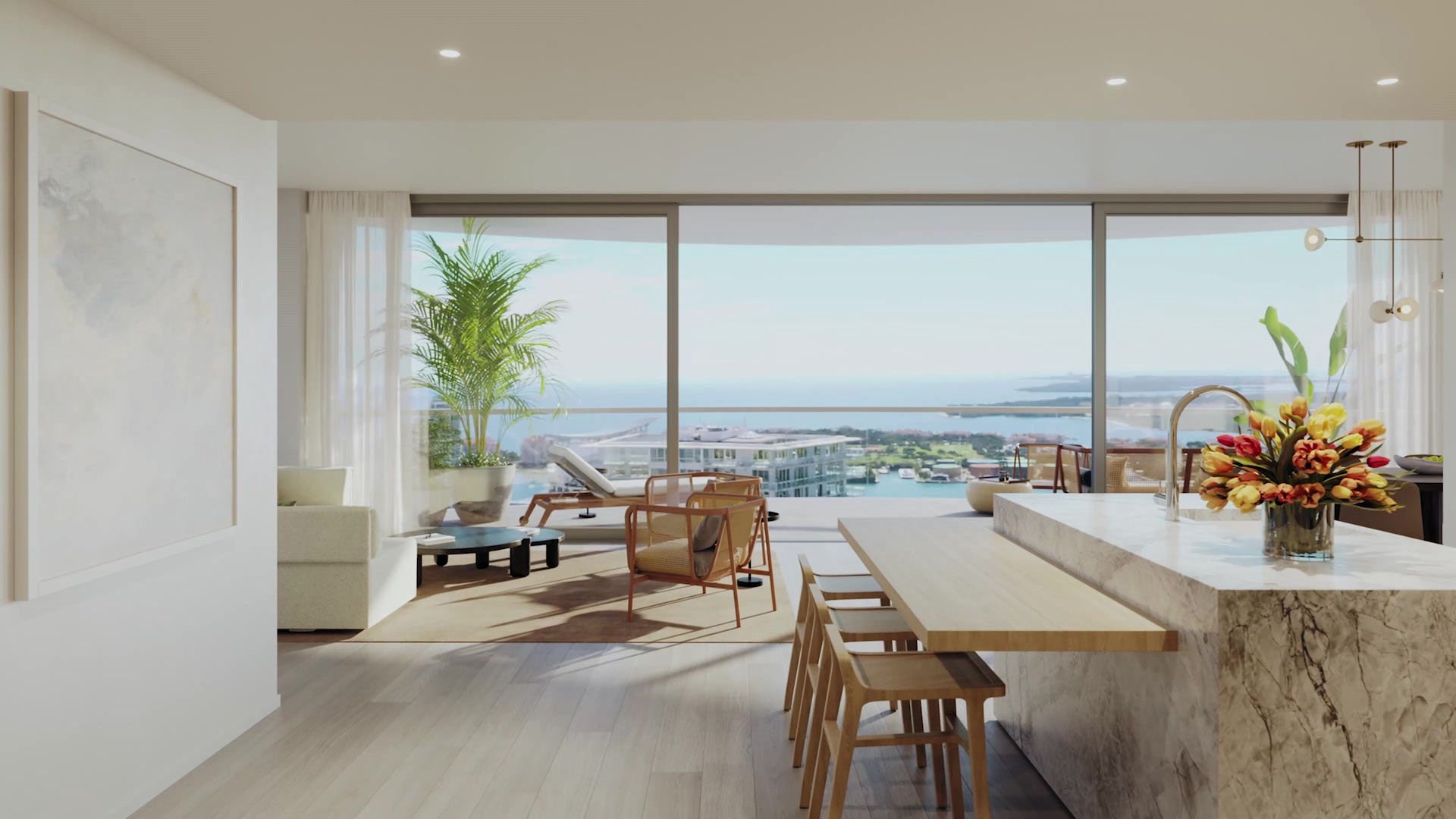
In Edgewater, two residences with similar interior areas and asking prices can support substantially different lives. One may offer a Biscayne Bay outlook, controlled afternoon light, and a terrace suited to daily use. Another may appear equally persuasive during a staged showing yet face a neighboring parcel, absorb stronger solar exposure, or sit beside an elevator bank or amenity deck.
The distinction begins with line selection: the position and orientation of a particular stack within a tower. Buyers considering Aria Reserve Miami, EDITION Edgewater, or another neighborhood residence should compare lines as carefully as finishes. The most expensive option is not automatically the most livable, while a lower asking price may reflect a compromise that is not immediately visible in the listing.
The real comparison is not price per square foot, but comfort per hour of ownership.
A brochure may describe water, city, or sunset views, but a buyer still needs the true compass orientation and a clear understanding of adjacent parcels. Waterfront or park frontage should be evaluated differently from a side-angle view across a low-rise site or vacant lot. Open space over property that could change should not automatically be treated as permanent.
Review available planning and property information around the tower, then identify which rooms contain the primary glass walls. A living room facing Biscayne Bay is not equivalent to a bedroom capturing a narrow water angle past another parcel. A west-facing room may frame the skyline while receiving stronger afternoon sun. A road-facing line can also feel different from one oriented away from traffic or nearby activity.
Stack plans add another layer. They can help reveal whether a residence adjoins elevators, service areas, mechanical spaces, or amenity zones. They can also identify positions above or beside pools, gyms, event rooms, and outdoor decks. Visit a candidate at the hour when its principal rooms will actually be used, and listen from both the residence and corridor.
Expansive glazing is one of the visual pleasures of high-rise living, but its orientation matters. Solar exposure can influence glare, furniture placement, and perceived interior comfort. The relevant question is not simply whether a residence is bright, but when direct sun reaches the glass, how long it remains, and whether the living areas feel pleasant during the buyer's preferred hours.
This is particularly important when comparing contemporary options such as Lilli Miami Edgewater and The Cove Residences Edgewater. Evaluate each actual line rather than extending an impression of the building to every residence within it. Blinds, furnishings, and air conditioning can moderate exposure, but they do not change orientation.
Building operating procedures also belong in this discussion. Buyers should ask management how cooling is handled during severe weather, power interruptions, maintenance, or other service disruptions. The answer can be especially relevant for a residence with extensive glazing or substantial direct sun.
A large terrace has limited practical value if frequent wind, inadequate shade, or an awkward shape prevents the owner from using it as intended. Tower exposure and floor height should therefore be considered alongside advertised exterior area.
Test the outdoor space at the time of day and in the season closest to its intended use. Observe wind direction, direct sun, overhang coverage, door placement, and realistic furniture zones. Ask where outdoor furniture, planters, and decor would be stored when building procedures require the terrace to be cleared or secured. A substantial outdoor space may demand meaningful indoor storage.
Buyers should resist assigning value solely by exterior square footage. A smaller, more protected outdoor room may be more useful than a broad platform exposed to persistent wind or sun.
High floors can offer visual separation from the street, but elevation carries practical considerations. Wind conditions can affect terrace comfort, door operation, furniture choices, and how often the outdoor area feels inviting.
Request the building's written severe-weather procedures, understand who is responsible for common areas, and confirm how residents receive instructions. The same discipline applies when assessing a glass-forward residence at Villa Miami or any other tower: focus on the specific line, floor, and exposure rather than architecture viewed only from outside.
A showing on a calm day cannot answer every wind-related question. If outdoor use is important, revisit under different conditions and ask management or the seller how terrace rules affect furniture, planters, and other items.
A high-floor resident relies more heavily on elevators for ordinary access. Severe weather, power interruptions, inspections, maintenance, or equipment issues may alter normal service, so the implications deserve attention before purchase. This can be particularly important for an owner with children, pets, mobility limitations, frequent guests, or time-sensitive travel.
Ask management when elevators may be taken offline, how residents are notified, what backup arrangements exist, and what conditions govern restoration of service. Request comparable clarity for cooling and other essential building systems. The route from the residence to grade also deserves a physical walk-through rather than a review limited to plans.
Floor preference should reflect the owner's actual tolerance for stair use and service interruption. A premium view can still be the right choice, but its operational dependence should be understood before the contract is signed.
For buyers focused on Edgewater, the disciplined sequence is straightforward. Obtain the stack plan, verify true compass orientation, map neighboring parcels, and review available planning information. Walk the corridor to locate elevators, service doors, and amenity adjacencies. Revisit the residence when sun, traffic, and terrace use are most revealing.
Then request written building, elevator, cooling, and severe-weather procedures. Test storage capacity against the outdoor furnishings that may need to come inside. Finally, compare each compromise with the asking price. The objective is not to eliminate tradeoffs, but to pay knowingly for the combination that best supports daily life.
A well-selected line can support comfort through ordinary afternoons, nearby changes, and periods of building disruption. That makes orientation, wind, heat, and access fundamental elements of value rather than secondary technicalities considered only after a buyer has fallen for the view.
For discreet guidance on selecting the right Edgewater residence, connect with MILLION.
If branded residences are on your mind — as a home or as an allocation — we would be glad to share what we are seeing, privately.
Begin a quiet conversationIt refers to the position and orientation of a residence within a tower, including its outlook, solar exposure, and relationship to nearby spaces and building systems.
Nearby vacant or low-rise property may change over time. Buyers should distinguish direct frontage from views that depend on conditions beyond the building.
It can show the residence's position relative to elevators, service areas, mechanical spaces, amenity zones, and neighboring lines.
Orientation affects when direct sun reaches the residence and can influence glare, perceived heat, and comfort in interior and outdoor areas.
Yes. Wind, shade, shape, furniture layout, and storage can make a smaller protected balcony more practical than a larger exposed terrace.
Floor height and tower exposure can influence wind conditions. Buyers should test the actual terrace rather than relying only on its stated area.
Building procedures may require outdoor furniture, plants, and decor to be moved or secured. Buyers should confirm that the residence has sufficient storage for those items.
They should ask how cooling is handled during severe weather, maintenance, power interruptions, and other service disruptions.
An interruption can make access more difficult and may increase reliance on stairs. Buyers should consider mobility needs and ask management about notification and restoration procedures.
Return when the main living areas and balcony will be used most often so sun, traffic, wind, and nearby activity can be assessed realistically.