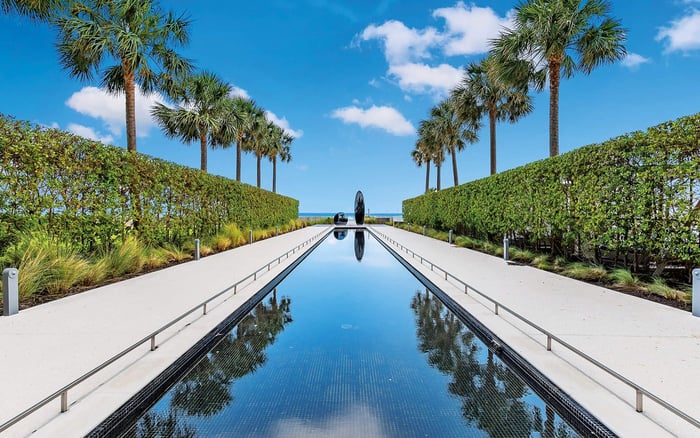
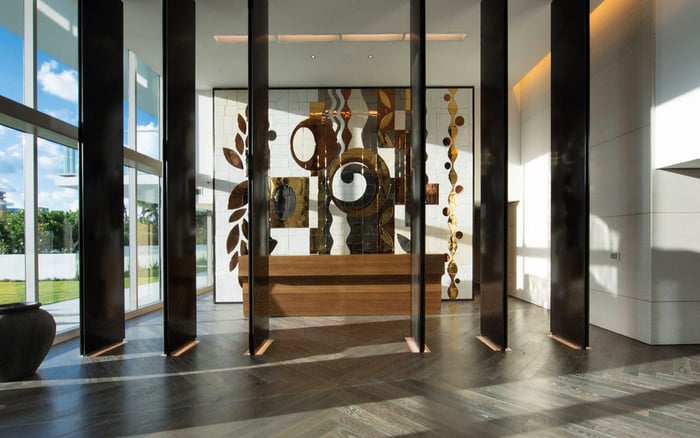
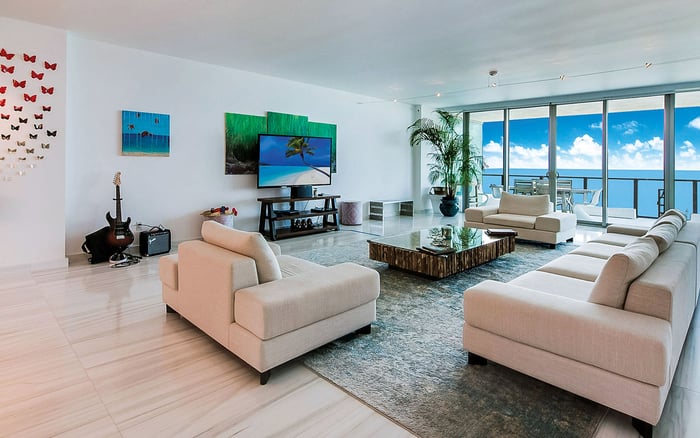
Miami Open season sharpens the residential questions that matter in Key Biscayne: access, privacy, water orientation, daily rhythm, and the difference between a beautiful home and a better-positioned one.
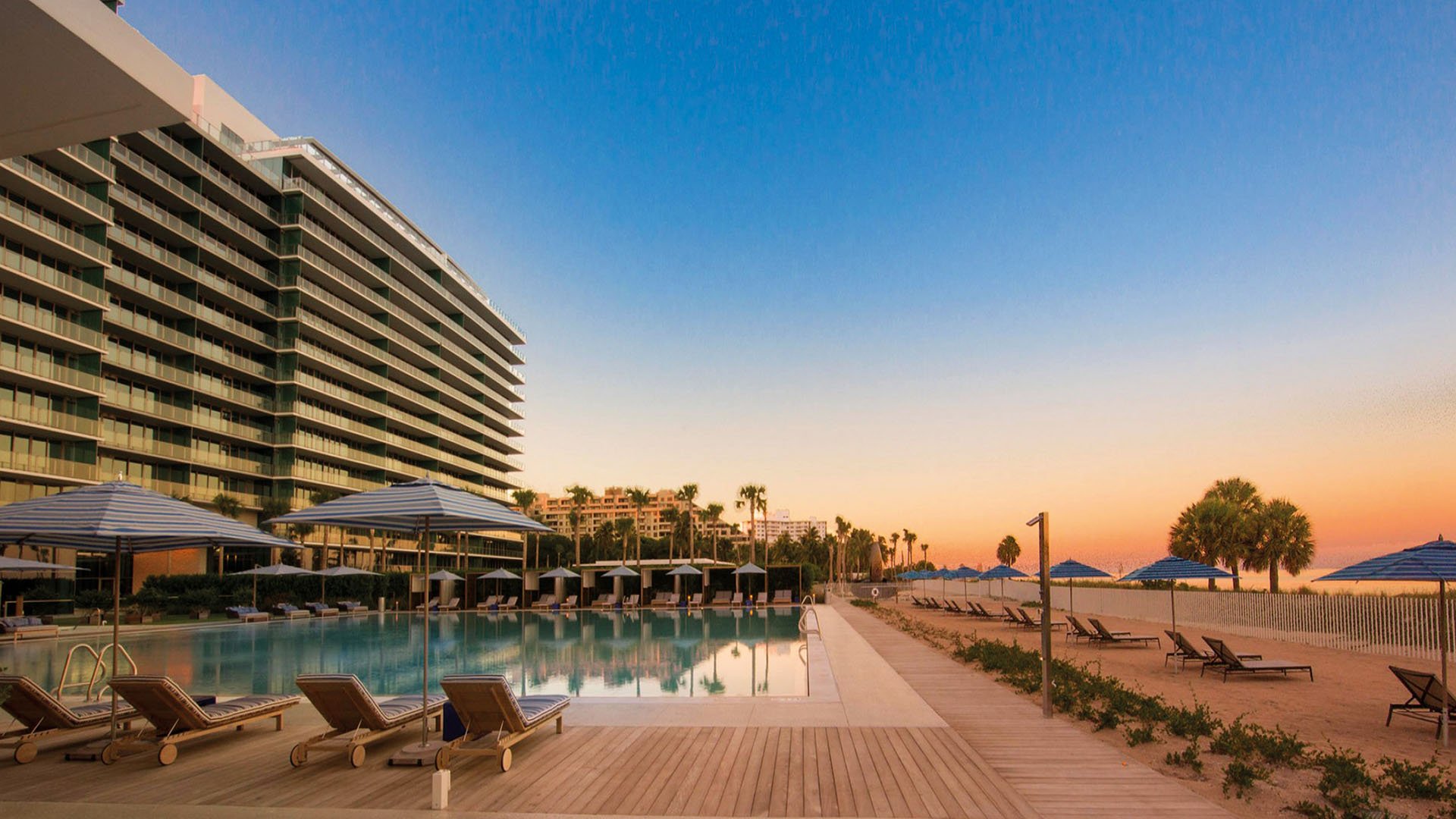
The Miami Open does more than animate the city’s social calendar. For buyers considering Key Biscayne, it offers a clear lens on how a residence performs when Miami is at its busiest, most visible, and most in demand. Tournament week compresses the questions that matter all year: How efficiently can one move between private life and the city? How serene does home feel after a full day out? How much can a view, a private arrival sequence, or a well-scaled terrace change the way a residence lives?
This is where better positioning becomes more than a point on the map. A strong Key Biscayne residence is not simply close to water or removed from urban intensity. It is calibrated for a particular rhythm: morning light, school and club routines, dining in the city, visiting guests, beach time, and the discretion that high-net-worth owners expect when Miami is crowded.
In digital searches, Key Biscayne may appear as a location filter. In practice, it is a lifestyle filter. The island asks buyers to decide whether they want proximity without exposure, resort energy without spectacle, and a home that can absorb both family life and seasonal entertaining without feeling overextended.
During major Miami moments, the best residences are often the ones that reduce friction. That does not always mean choosing the most central address. It means choosing a home whose access pattern, parking, staff flow, elevator privacy, building scale, and outdoor space align with how the owner actually lives.
A residence such as Oceana Key Biscayne illustrates why Key Biscayne remains compelling for buyers who want an island setting within a polished residential frame. The larger lesson is not simply the building name, but the importance of a home that feels composed when the city around it becomes animated.
Buyers should ask practical questions with uncommon seriousness. Is the arrival calm at peak hours? Does the residence have outdoor space that functions as a second living room? Are bedrooms protected from entertaining zones? Can guests be hosted without compromising the privacy of the primary suite? In the ultra-premium market, these details often matter as much as finish level.
Key Biscayne appeals to owners who value a quieter psychological threshold. Crossing into an island environment changes the pace. That separation is not isolation. It is a form of editing, a way to participate in Miami selectively rather than continuously.
Miami Open season makes this especially clear. The buyer who attends events, lunches in Brickell, sees friends in Miami Beach, and returns to an island residence is not escaping Miami. They are curating it. The home becomes a counterweight to the city’s intensity, offering a private reset between public moments.
That same principle explains why some buyers compare Key Biscayne with waterfront alternatives across the region. Una Residences Brickell speaks to those who want vertical city living with bay orientation, while Key Biscayne often attracts the buyer who wants the water experience to feel more residential, more sheltered, and less urban in tone.
The strongest Key Biscayne purchase is usually defined by a matrix rather than a single feature. Water orientation matters, but so do the height of the view, the privacy of neighboring sightlines, the quality of shade, and the way interior rooms connect to outdoor living. A beautiful view that cannot be enjoyed at key hours is less valuable than a more livable exposure used daily.
Oceanfront positioning carries particular emotional weight, but buyers should resist judging a residence solely by the word oceanfront. The better question is how the home mediates between openness and comfort. Does the terrace invite breakfast, reading, and evening conversation? Does glazing create glare or serenity? Does the plan allow owners to entertain without turning every private room into part of the event?
Service also matters. A better-positioned residence is supported by a building or property environment that anticipates use. Valet, security, delivery handling, beach access, wellness spaces, and guest arrival all affect the owner experience. At this tier, convenience should feel invisible, not theatrical.
Sophisticated buyers often study Key Biscayne alongside Coconut Grove, Fisher Island, Miami Beach, and Brickell. Each answers a different version of the same question: how close should one live to Miami’s energy, and how much privacy should buffer it?
Coconut Grove offers a lush, established residential atmosphere with cultural and dining access. A project such as Park Grove Coconut Grove can appeal to buyers who want greenery, bay views, and a more mainland-connected daily rhythm. Fisher Island is a more controlled expression of privacy, and The Residences at Six Fisher Island sits within that conversation for buyers who prioritize seclusion at the highest level.
Miami Beach, by contrast, often brings a more social coastal energy. Five Park Miami Beach may suit the owner who wants access to the beach, dining, and design-driven urban life. Key Biscayne’s distinction is subtler. It offers a quieter residential identity while still keeping the owner connected to the broader Miami circuit.
Second-home buyers should be especially attentive to position. A part-time residence must perform immediately upon arrival. The first hour matters: entry, luggage, groceries, staff coordination, guest rooms, outdoor access, and the feeling of exhale. If the home requires too much management before it becomes enjoyable, it is not as well-positioned as it appears.
For seasonal owners, the best Key Biscayne residence can operate as both sanctuary and base camp. It should support a weekend around tennis, boating, dining, wellness, and family time without turning logistics into the dominant experience. It should also feel secure and cared for when unoccupied.
Investment-minded buyers may view this through a different lens, but the core principle is the same. Durable desirability often attaches to homes that are not merely impressive, but easy to inhabit. Ease is difficult to photograph, yet it is immediately felt.
The Miami Open reminds buyers that Miami’s luxury market is not only about spectacle. It is about control: control of time, privacy, movement, light, and atmosphere. Key Biscayne’s best residences give owners a way to enjoy the city without surrendering to it.
For buyers at the upper end, the most important question is not whether a residence is beautiful. Many are. The sharper question is whether it is better positioned for the life one intends to live. In Key Biscayne, that means a home with calm arrivals, meaningful outdoor space, protected privacy, and a location that makes Miami feel accessible rather than intrusive.
Why does Miami Open season matter for Key Biscayne buyers? It reveals how a residence performs when Miami is busy, social, and in motion. Access, privacy, and ease become more visible during peak moments.
Is Key Biscayne mainly for full-time residents? No. It can work well for full-time owners, seasonal residents, and families seeking a quieter island base with access to Miami.
What makes a residence better-positioned? Better positioning combines location, arrival flow, views, privacy, outdoor space, and daily convenience. It is more than distance from a destination.
Should buyers prioritize water views or building services? Both matter. The strongest residences pair compelling views with services that make ownership feel effortless.
Is a terrace important in Key Biscayne? Yes, when it functions as true living space rather than decorative square footage. Shade, privacy, and usability are essential.
How should buyers compare Key Biscayne with Brickell? Brickell offers a more urban, vertical rhythm. Key Biscayne typically appeals to buyers seeking more separation and residential calm.
Does oceanfront always mean the best position? Not automatically. Exposure, privacy, sound, light, and usability can matter as much as the shoreline itself.
What should second-home buyers watch most closely? They should focus on ease of arrival, maintenance, security, guest comfort, and how quickly the home becomes enjoyable after landing.
Can Key Biscayne work for investment-minded owners? Yes, if the residence has durable lifestyle appeal and practical ownership advantages. Livability is often central to long-term desirability.
What is the most overlooked buying factor? The daily arrival experience is often underestimated. A calm, private entry can define how luxurious a home feels over time.
If you'd like a private walkthrough and a curated shortlist, connect with MILLION.
If branded residences are on your mind — as a home or as an allocation — we would be glad to share what we are seeing, privately.
Begin a quiet conversation