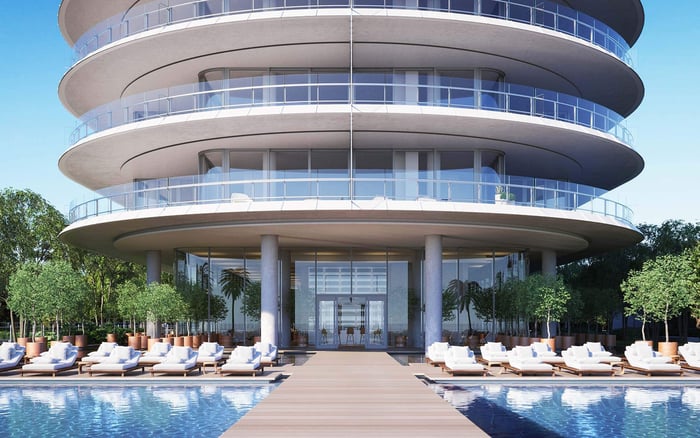
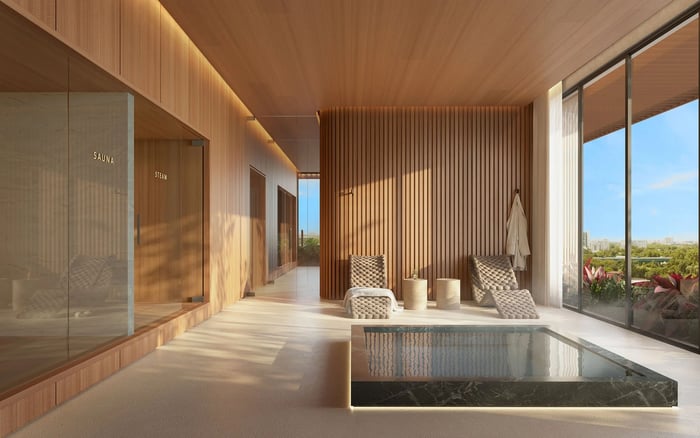
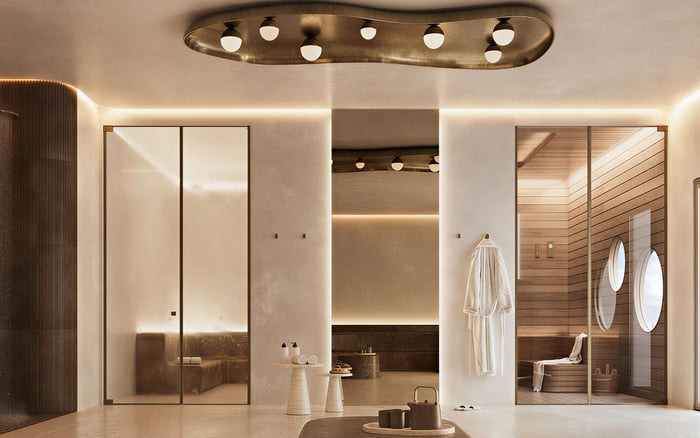
Full-time ownership changes the wellness conversation. Shared spas, fitness rooms, and resort-style pools still matter, but private daily rituals inside the residence often become the more meaningful measure of comfort, privacy, and long-term livability.
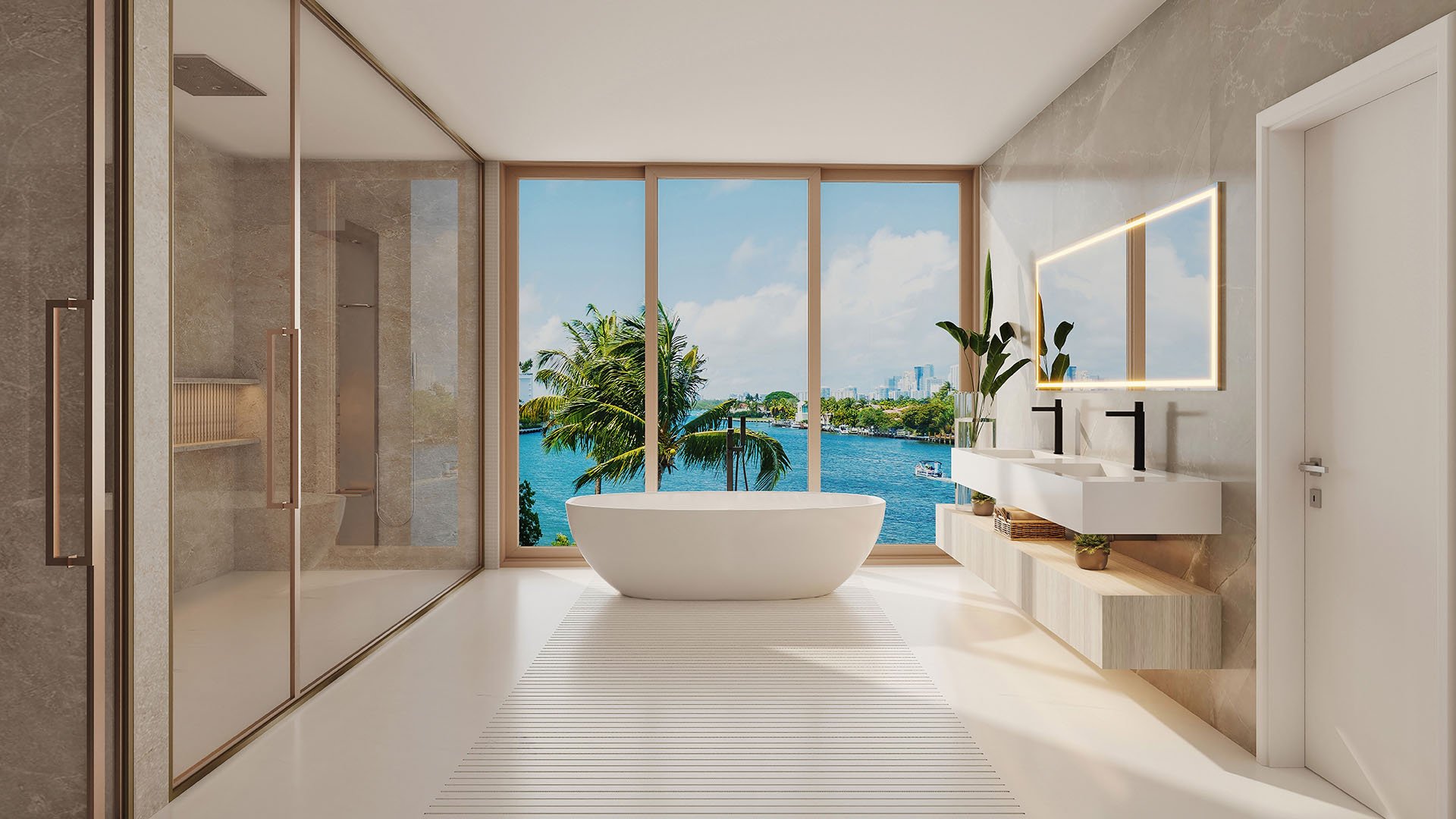
In South Florida luxury real estate, wellness is often framed through the most photogenic spaces: spa lounges, resort pools, cold plunges, movement studios, hammams, saunas, treatment rooms, meditation gardens, and sunrise yoga decks. These amenities matter. They shape a building’s identity, create a sense of arrival, and help support a premium market position.
Yet for full-time owners, the decisive question is more intimate: what does wellness feel like at 7:00 a.m. on a Tuesday, after travel, during a stormy afternoon, or before a private dinner at home? Seasonal guests may evaluate wellness through the lens of experience. Full-time residents evaluate it through repetition.
That distinction is why in-unit wellness has become more important in the daily ownership equation. It is not simply a larger bathroom or a better view. It is a residence designed to make restorative living effortless, without requiring a reservation, an elevator ride, or interaction with the broader building population.
The same lens applies whether a buyer is focused on Brickell, an oceanfront address, a pool program, a balcony, a terrace, or new-construction delivery. The question is not whether a building offers wellness. The question is where wellness actually happens most often.
Shared wellness is strongest when it feels curated, maintained, and generous. A beautiful spa, an elegant fitness center, or a calm lap pool can elevate daily life and make a residence feel like a private club. For seasonal owners, these spaces often define the stay. They create occasion. They make a week in Miami, Palm Beach, Fort Lauderdale, Surfside, or Sunny Isles feel complete.
For full-time owners, repetition changes the hierarchy. The amenities that impressed during a tour may become less central than the features used every day without ceremony. A deep soaking tub, steam-capable shower, quiet bedroom suite, filtered air, morning light, acoustic privacy, outdoor breathing space, and a well-planned primary bath can carry more daily value than a spectacular amenity that requires planning.
The best full-time residences do not reject shared wellness. They make it supplementary. The owner can enjoy the spa when desired, but does not depend on it for restoration. The home itself becomes the first layer of wellbeing.
Privacy is one of the most underestimated wellness features in condominium living. Seasonal guests may welcome social energy. They may enjoy seeing neighbors at the gym, pool deck, lobby lounge, or treatment area. Full-time owners often want a different rhythm. They want the option to withdraw.
In-unit wellness supports that privacy. A resident can exercise, stretch, recover, bathe, work quietly, or spend time outdoors without entering shared space. This matters especially for high-profile owners, families with layered schedules, and buyers who use the residence as a primary base rather than a vacation setting.
A private wellness environment also reduces friction. There is no need to check amenity hours, wait for equipment, adjust to the mood of a public room, or move through a lobby in gym attire. In the ultra-premium market, reducing friction is not a small convenience. It is part of the value proposition.
Full-time owners tend to become highly sensitive to floor plan logic. Wellness is not limited to the bathroom or fitness zone. It is embedded in circulation, storage, light, sound, outdoor connection, and the separation between private and social spaces.
A residence with a calm arrival sequence, generous closets, a well-positioned laundry area, and bedrooms buffered from entertainment spaces may feel more restorative than a larger home with awkward flow. A terrace that is usable, shaded, and connected to living space can become part of the daily wellness routine. A balcony that supports morning coffee, quiet reading, or evening air may outperform more dramatic but less practical outdoor space.
For full-time buyers, the best test is not whether the amenity deck photographs well. It is whether the residence supports the owner’s actual day. Where does one wake up? Where does one decompress? Can two people keep different schedules without disturbing each other? Is there space for movement, silence, and retreat?
Seasonal guests often value access above control. They want to arrive, enjoy the building, host visitors, and participate in a resort-like environment. Shared wellness is ideal for that pattern because it compresses many experiences into a short stay. A spa afternoon, a pool day, a workout with a view, and a social lounge can all feel essential.
Full-time owners value control. They want wellness to be available when the building is busy, when guests are in town, when the weather shifts, and when personal routines do not align with amenity schedules. In-unit features give owners that control.
This is where South Florida’s luxury buyer psychology becomes especially nuanced. The same owner may want both a social building and a private sanctuary. They may want a beautiful pool and a bathroom that functions like a personal spa. They may want concierge energy downstairs and monastic calm upstairs. The stronger residence is not the one with the longest amenity list. It is the one that allows the owner to choose their degree of participation.
When evaluating in-unit wellness, buyers should look beyond finishes. Marble, millwork, and fixtures matter, but the deeper question is how the home performs. A primary suite should feel like a retreat, not merely a bedroom attached to a bath. Natural light should be flattering and manageable. Outdoor areas should be usable, not symbolic. Ceiling heights, window quality, room proportions, and privacy between rooms all affect how well the home supports daily life.
Airiness is also important. In warm coastal markets, the sensation of openness can be as meaningful as square footage. Flow-through layouts, generous glazing, and seamless indoor-outdoor transitions can help a residence feel calmer and more expansive. Still, not every buyer wants the same wellness profile. Some want quiet and shade. Others want sun, water views, and energy. The right answer depends on daily habit.
For buyers comparing new-construction options with established residences, the key is to separate marketing language from lived utility. Ask how the home works when amenities are closed, crowded, or simply not part of the day. That answer often reveals the true wellness value.
Shared wellness remains important, particularly in South Florida’s most competitive luxury buildings. A strong amenity program can create social cohesion, support guest enjoyment, and make the property feel more complete. It can also relieve pressure on the private residence. Owners may not need a large in-home gym if the building’s fitness environment is excellent. They may not need elaborate entertaining infrastructure if the building offers refined spaces for hosting.
The balance matters. A building with exceptional shared amenities but average residences may impress briefly and disappoint over time. A residence with strong in-unit wellness but weak shared amenities may feel private yet under-served. The ideal full-time ownership experience blends both, allowing the private home to carry the daily routine while the building enriches the broader lifestyle.
This balance is especially relevant for couples and families. One resident may use the spa frequently while another prefers a private ritual at home. Children, guests, staff, and visiting relatives may each use the property differently. Flexible wellness supports all of these patterns without forcing every resident into the same mode of living.
Luxury buyers are increasingly skilled at reading beyond the brochure. They understand that wellness is not proven by quantity alone. A long list of amenities can be impressive, but the enduring question is whether the residence makes life feel smoother, healthier, quieter, and more composed.
For seasonal guests, shared wellness can define the memory of a property. For full-time owners, in-unit wellness defines the texture of the everyday. It shapes how the morning begins, how the evening ends, how privacy is protected, and how easily the home absorbs the pace of South Florida life.
The smartest buyers do not choose between in-unit and shared wellness as if one cancels the other. They rank them according to use. If the residence will be lived in most of the year, private wellness should carry more weight. If the property will be used as a seasonal retreat, shared wellness may take a larger role. The luxury is in knowing the difference before committing.
Why does in-unit wellness matter more for full-time owners? Full-time owners rely on wellness features every day, so privacy, convenience, quiet, and layout become more important than occasional access to shared amenities.
Are shared wellness amenities still valuable? Yes. Shared spas, gyms, pools, and lounges add lifestyle depth, especially when they are well maintained and easy to access.
What is an example of in-unit wellness? It can include a restorative primary suite, spa-like bath, private outdoor space, natural light, acoustic privacy, and room for movement or recovery.
Should seasonal buyers prioritize shared amenities? Often, yes. Seasonal users may place more value on resort-style features because they compress the lifestyle experience into shorter stays.
Does a private terrace improve wellness value? A usable terrace can meaningfully improve daily life by adding fresh air, light, and a private place to reset.
Is a balcony enough for wellness living? It can be, if it is practical, comfortable, and connected to the owner’s daily routine rather than purely decorative.
How should buyers evaluate a building pool? They should consider not only beauty, but also privacy, sun exposure, crowding, access, and whether it fits their actual schedule.
Does oceanfront living automatically mean better wellness? Not automatically. Views and proximity to water can be powerful, but layout, privacy, noise, and usability still matter.
Is Brickell suitable for full-time wellness living? Brickell can work well for full-time owners who want urban convenience, but the residence itself must provide calm and retreat.
What is the best wellness balance for luxury owners? The best balance gives owners private daily rituals inside the home and refined shared amenities when they want a broader lifestyle experience.
When you're ready to tour or underwrite the options, connect with MILLION.
If branded residences are on your mind — as a home or as an allocation — we would be glad to share what we are seeing, privately.
Begin a quiet conversation