For affluent South Florida buyers, homestead planning is a useful first step, but the strongest ownership strategy also considers privacy, liquidity, family governance, lifestyle use, and eventual exit planning.
Homestead planning is often the first serious conversation a luxury buyer has when South Florida becomes more than a seasonal preference. It signals intent. It introduces legal, tax, and family considerations. It asks a buyer to think carefully about where life is truly centered, not simply where the next beautiful residence is located.
For ultra-premium buyers, however, homestead planning is only the starting point. A primary residence in South Florida is rarely just an address. It may function as a family base, a legacy asset, a private retreat, a hospitality setting, a work-from-anywhere platform, and a long-term store of capital. Treating homestead as the entire plan risks narrowing the conversation too soon.
A more sophisticated approach is broader. It asks how the property will be owned, who will use it, how privacy will be preserved, how liquidity will be managed, how children and heirs fit into the picture, and how a future sale or transfer should unfold. The objective is not complexity for its own sake. It is alignment.
A luxury residence is not selected by view, finish, or square footage alone. It is selected by rhythm. Some buyers need immediate access to business districts and private dining. Others want a quieter coastal cadence, with room for extended family and visiting guests. Some want a lock-and-leave residence with deep service infrastructure. Others want a home that behaves like a compound.
That distinction matters because homestead planning can establish an important framework, but it does not answer lifestyle questions. A buyer still needs to decide whether the home is meant for everyday living, seasonal use, entertaining, intergenerational gathering, or quiet retreat. The wrong lifestyle fit can make even the most carefully planned purchase feel inefficient.
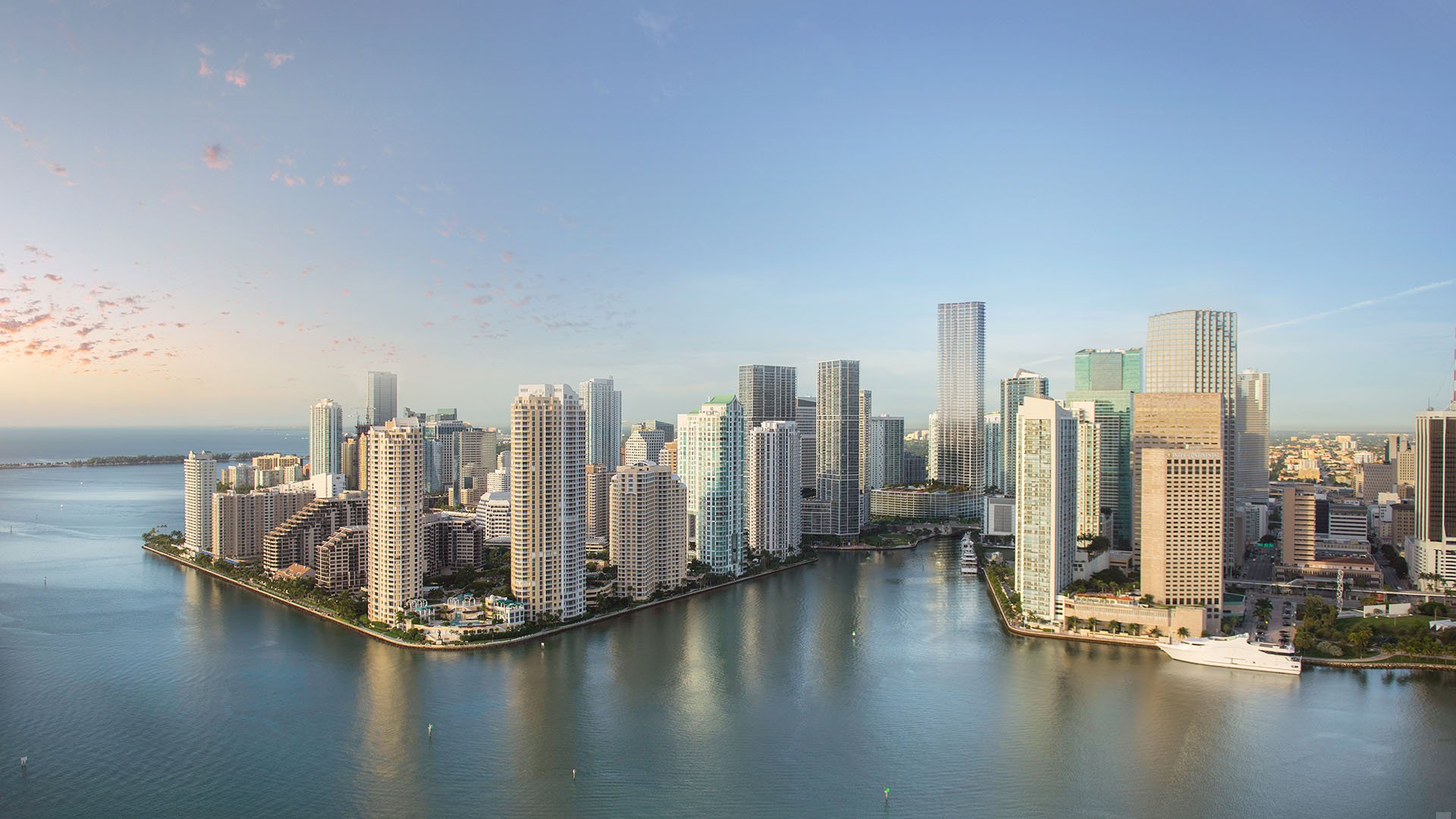
In South Florida, the decision is also intensely hyperlocal. Brickell may suit a buyer who values urban access and a polished vertical lifestyle. Miami Beach may appeal to those who want proximity to sand, culture, dining, and a globally recognized social setting. A private brief might include themes such as urban access, second-home use, new construction, resale potential, and long-term investment goals, but the real work is translating those labels into lived experience.
High-net-worth buyers often arrive with existing entities, advisers, trusts, partnerships, and family governance habits. Those tools can be useful, but they should not dictate the purchase before the residence itself is understood. The question is not simply, “How should this be titled?” It is, “What does the family need this asset to accomplish?”
For one buyer, simplicity may matter most. For another, privacy may be central. For another, succession planning may be the deciding issue. A couple purchasing for daily use may make different decisions than a family acquiring a residence that adult children will eventually inherit or share. Buyers should evaluate these choices with qualified legal and tax advisers before contract, not after the emotional momentum of a closing has taken over.
This is where luxury real estate becomes less about transaction and more about the architecture of intent. The best plans are legible. They give advisers, family members, and future decision-makers a clear understanding of why the property was acquired and how it should be managed.
Even when a buyer can purchase without strain, liquidity deserves attention. South Florida luxury ownership can involve carrying costs, renovation choices, staffing, insurance review, association obligations, capital improvements, and future market timing. Homestead planning does not eliminate the need to understand how capital will move around the residence over time.
A disciplined buyer considers several horizons at once. What is the cash plan for the first year of ownership? Which upgrades are essential, and which are optional? How quickly could the property be sold if family circumstances changed? Would the likely buyer pool be broad or highly specific? Is the home so customized that it may require patience on exit?
This is not pessimism. It is stewardship. Luxury buyers are often most successful when they can afford to be patient. That patience is created through liquidity, not optimism alone.
For prominent buyers, privacy is not an amenity. It is part of the asset. The conversation should begin before showings, negotiations, inspections, design meetings, or public-facing activity create unnecessary exposure. A buyer’s legal structure, communications protocol, advisory team, and closing approach can all influence the level of discretion achieved.
The property itself also matters. Some residences offer a naturally private arrival sequence, controlled access, and limited visibility. Others deliver spectacular lifestyle advantages but require more deliberate privacy planning. Neither choice is inherently superior. The issue is whether the buyer understands the trade-off.
A waterfront home with a strong social presence may be ideal for entertaining, but less ideal for someone seeking anonymity. A full-service condominium may provide convenience and security, while also requiring careful review of building culture, rules, and staff interaction. A gated single-family setting may feel quieter, but it may shift more management responsibility to the owner.
The most elegant purchase plans include an exit strategy from the beginning. This does not mean the buyer expects to sell quickly. It means the buyer respects that even legacy assets benefit from optionality.
Exit planning can include future resale positioning, documentation of improvements, preservation of design coherence, and avoidance of over-personalization where market depth matters. It can also include family conversations about who would want the property later, who would not, and whether shared ownership would be practical.
In South Florida’s top-tier market, taste is powerful, but transferability is powerful as well. A residence that is beautifully specific to one owner may be emotionally rewarding. A residence that is both personal and broadly desirable may be more resilient.
Before making homestead the centerpiece of a purchase strategy, buyers should ask a series of practical questions. Is this truly the primary base, or one part of a larger residential portfolio? Will the property be used by children, parents, guests, or staff? Is the purchase meant to simplify life, create a family anchor, or express a new chapter?
They should also ask who needs to be in the room. Legal, tax, insurance, lending, design, property management, and security advisers may each see a different risk. The buyer’s role is to integrate those perspectives without allowing any single discipline to dominate the entire decision.
The best outcomes usually come when the residence, ownership plan, and lifestyle plan are developed together. Homestead planning may open the door. A complete strategy walks through it with intention.
Is homestead planning enough for a South Florida luxury purchase? No. It can be an important first step, but buyers should also consider ownership structure, liquidity, privacy, family use, and exit strategy.
When should advisers become involved? Ideally before a contract is signed. Early coordination helps prevent rushed decisions near closing.
Does every luxury buyer need the same ownership structure? No. The right structure depends on family goals, privacy needs, advisory guidance, and intended use of the residence.
Why does lifestyle matter in planning? A property should support how the buyer actually lives, entertains, works, travels, and hosts family.
Should a second home be planned differently from a primary residence? Often, yes. Usage patterns, management needs, and family expectations can differ significantly.
How should buyers think about new construction? They should review timing, completion expectations, customization choices, and how the residence will fit their long-term plans.
Is resale always simpler than a new purchase? Not necessarily. Existing properties may still require careful review of condition, design, carrying costs, and future marketability.
Why is privacy so central for luxury buyers? Discretion protects lifestyle, family security, negotiations, and the long-term enjoyment of the property.
Should buyers plan an exit before they buy? Yes. Exit planning supports flexibility, even when the intent is long-term ownership.
What is the biggest mistake buyers make? Treating the legal plan, property choice, and lifestyle goals as separate decisions instead of one integrated strategy.
When you're ready to tour or underwrite the options, connect with MILLION.
If branded residences are on your mind — as a home or as an allocation — we would be glad to share what we are seeing, privately.
Begin a quiet conversation