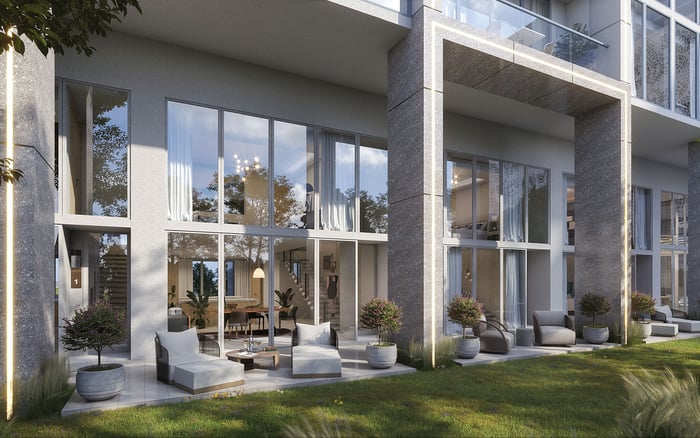
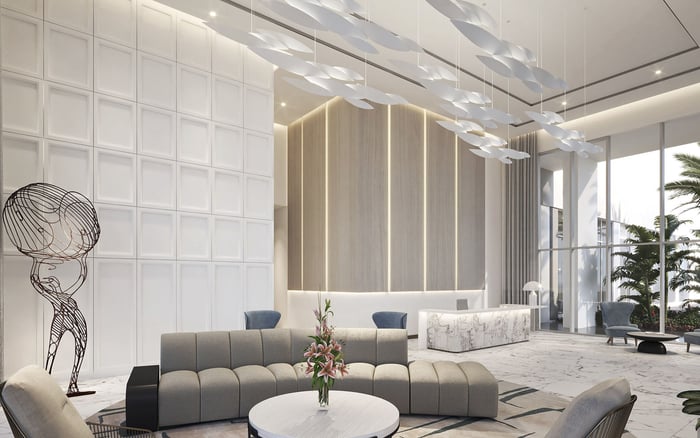
Fort Lauderdale can suit young families when the residence is operated with the same care as it is designed, prioritizing predictability, privacy, circulation, and service.
For young families, Fort Lauderdale works best when the building lives like a well-run private residence, not simply a beautiful tower with amenities. The distinction is subtle, but decisive. A family can adapt to a smaller dining area, a different view, or a less dramatic lobby. It is far harder to adapt to unreliable elevators, unclear guest procedures, difficult stroller storage, awkward parking, or a pool deck that feels ungoverned at the wrong hour.
This is where the Fort Lauderdale conversation becomes more sophisticated. The city can offer an appealing rhythm for buyers who want South Florida living without defaulting to a purely resort posture. Yet the success of the move depends on daily mechanics. The right building makes mornings legible, weekends easy, and evenings calm. The wrong building turns every transition into negotiation.
Luxury buyers are trained to read finishes: stone, millwork, glazing, appliance packages, terrace depth. Families should read operations with the same intensity. A residence may photograph beautifully, but family life exposes weak systems quickly. The most valuable amenity may be a door team that manages arrivals discreetly. The next may be an elevator plan that does not make every school run feel like a queue.
Pools, pets, deliveries, visitors, maintenance access, package volume, and move-in rules all matter because young families live in recurring patterns. A child’s schedule leaves little room for friction. A stroller needs a place. A caregiver needs a smooth sign-in. A visiting grandparent should not require improvisation. These are not secondary details. They are the infrastructure of calm.
That is why buyers comparing Fort Lauderdale residences should look beyond the amenity roster and ask how the building is actually staffed, governed, and used. A well-designed amenity can feel unusable if the operating culture is loose. A more restrained building can feel deeply luxurious when everything works with consistency.
In Broward, family buyers often weigh privacy, ease of movement, and proximity to daily obligations differently than seasonal owners do. The ideal residence does not have to mimic a single-family home. It has to remove the specific frictions that make vertical living difficult with children.
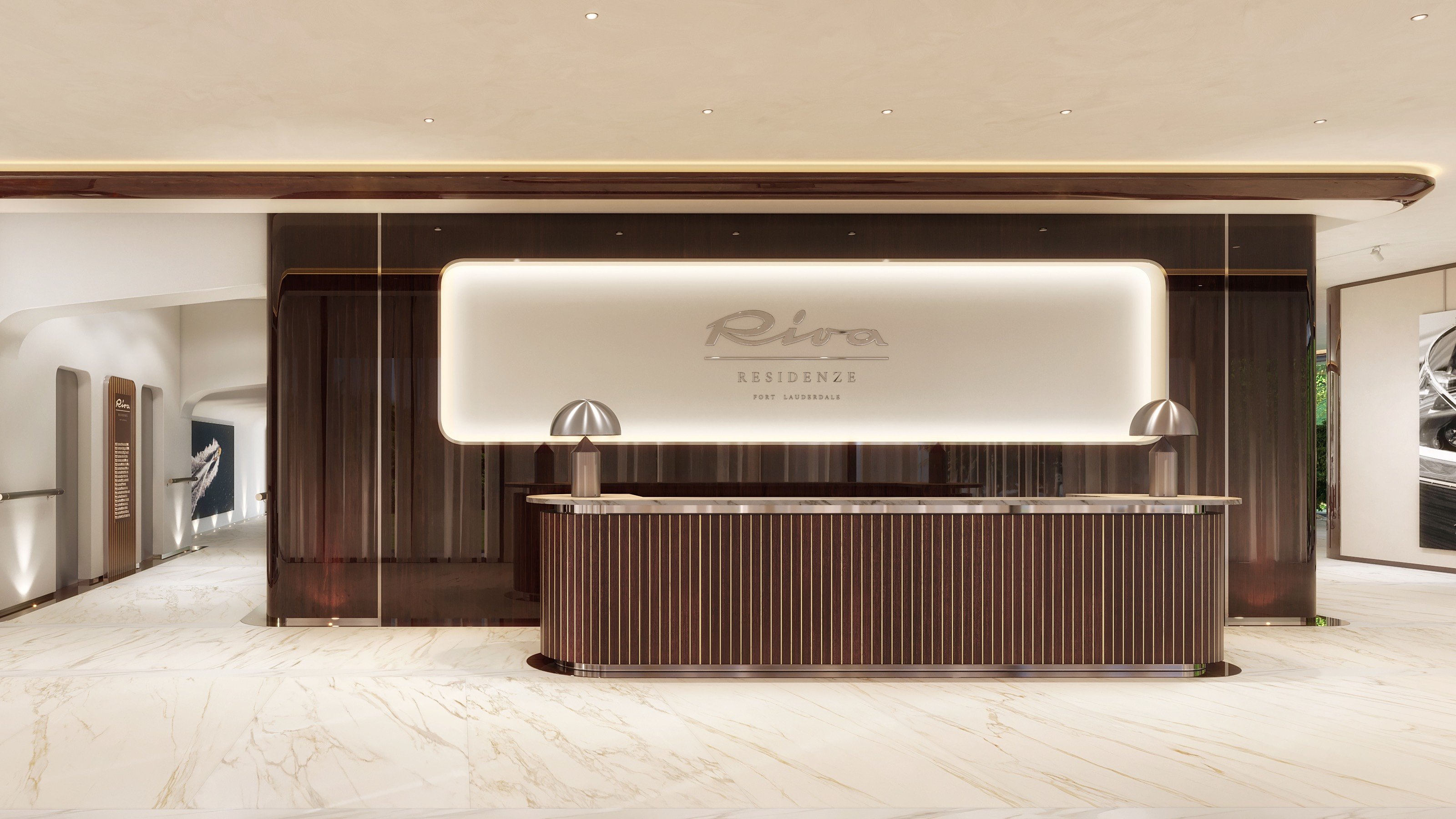
A hospitality-influenced address such as Four Seasons Hotel & Private Residences Fort Lauderdale may appeal to buyers who value a service culture and a polished arrival sequence. A building like Riva Residenze Fort Lauderdale can enter the discussion when a buyer wants a more residential interpretation of Fort Lauderdale living. The point is not that one model is universally superior. It is that the operating personality should match the family’s actual life.
For some households, the priority is a quieter building with intuitive access and a sense of neighborhood continuity. For others, it is the ability to host relatives, receive deliveries efficiently, and maintain privacy without feeling isolated. Fort Lauderdale can accommodate these different versions of family luxury, but the buyer must define the operating brief before touring.
The most revealing questions are practical. How many elevators serve the residential floors, and how are service movements handled? Where does a family wait for a car during rain or heat? Are children’s guests managed respectfully but securely? Is there a clear policy for pool behavior, private events, pets, and after-hours noise? How does the building handle repairs inside occupied residences? These answers shape the actual experience of ownership.
At Sixth & Rio Fort Lauderdale, buyers may be drawn to a more urban residential setting, which makes operational clarity especially important. At St. Regis® Residences Bahia Mar Fort Lauderdale, the branded-residence framework may attract households that want a defined service environment. In both cases, families should study not only the brochure language, but the way day-to-day living is meant to function.
The strongest buildings make rules feel like hospitality, not restriction. They protect quiet enjoyment without becoming cold. They accommodate children without surrendering adult composure. They understand that family life is active, and that luxury residents still expect discretion.
A family-ready building should have clear arrival choreography. Valet, lobby, elevator, package room, service corridor, and residence entry should work as one sequence. If those handoffs are awkward during a calm showing, they will be harder during a school morning, a birthday delivery, or a late return with sleeping children.
Storage is another quiet marker of suitability. Families accumulate more than they intend: scooters, beach gear, sports bags, holiday items, car seats. If the building does not provide a sensible way to absorb these objects, the residence itself begins to carry the operational burden.
Finally, study the social temperature. Some buildings are glamorous but not gentle. Others are private but too quiet for households with young children. The best fit is a building where family life feels anticipated rather than merely tolerated. That is the version of Fort Lauderdale that can work beautifully: refined, coastal, service-aware, and grounded in the realities of daily living.
Can Fort Lauderdale work for young families in a condominium setting? Yes, if the building has strong operations, predictable access, and policies that support daily family routines.
What matters more for families, amenities or management? Management often matters more because it determines whether amenities feel easy, safe, and consistently usable.
Should families prioritize larger units automatically? Not always. A slightly smaller residence in a better-run building can live more comfortably than a larger home with weak operations.
What should buyers ask about elevators? Ask how resident, guest, service, and move-in traffic are separated, especially during busy morning and evening periods.
Are pet policies important for families without pets? Yes. Pet rules affect elevator use, common areas, cleanliness, noise, and the overall culture of the building.
How should families evaluate pool areas? Look for clear rules, attentive staffing, shaded seating, and a tone that balances children’s use with adult comfort.
Is a branded residence always better for a family? Not automatically. Branding can indicate service discipline, but the actual building culture still needs careful review.
Why does arrival design matter so much? Arrival is where daily friction appears first: cars, strollers, guests, packages, groceries, and security all converge there.
Can a building feel luxurious and family-friendly at the same time? Yes, when rules are clear, staff are consistent, and shared spaces are designed for calm coexistence.
What is the best first step for a family buyer? Define the household’s daily routine before touring, then judge each building by how well it supports that routine.
For a discreet conversation and a curated building-by-building shortlist, connect with MILLION.
If branded residences are on your mind — as a home or as an allocation — we would be glad to share what we are seeing, privately.
Begin a quiet conversation