A discreet buyer’s guide to evaluating Fort Lauderdale as a trophy pied-à-terre market, with emphasis on lifestyle fit, waterfront utility, building governance, service standards, and long-term ownership discipline.
A trophy pied-à-terre is not simply a smaller primary residence. It is a precision instrument for time, privacy, ease, and arrival. In Fort Lauderdale, the first question is not whether the city is beautiful enough. It is whether its rhythm matches the way the residence will actually be used.
Start with a candid calendar. Will the home serve long weekends, winter stretches, boat-centric escapes, business overnights, or family spillover? A buyer arriving with luggage, expecting a seamless valet handoff, wanting dinner within minutes, and leaving before Monday has different requirements from one planning to live quietly for a month at a time. Fort Lauderdale can serve both profiles, but not every building, location, or view corridor can.
The smartest buyers test the city at the same hours they expect to occupy it. Visit early in the morning, late in the evening, during a rainy afternoon, and on a peak weekend. Listen for traffic, evaluate building access, watch valet operations, and notice whether the surrounding streets feel effortless or performative. A trophy pied-à-terre should reduce friction, not merely photograph well.
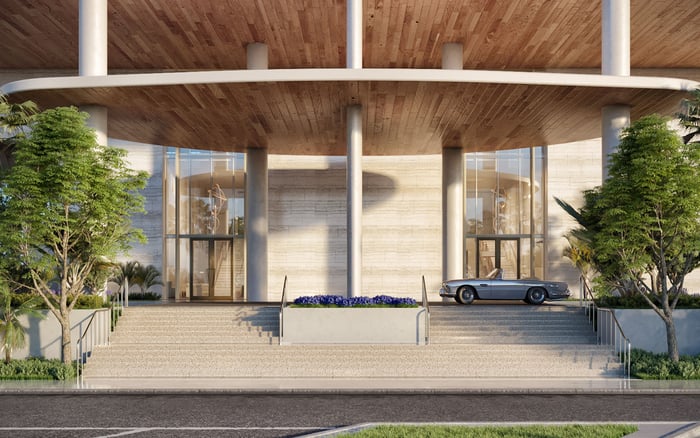
The word “trophy” is often overused. For a disciplined buyer, it should mean the residence has a durable reason to be chosen over alternatives: a superior arrival sequence, a meaningful water relationship, unusually strong service, rare privacy, architectural distinction, or an address that will remain legible to future buyers.
If the goal is hotel-level ease, a residence connected to hospitality may deserve close attention. Four Seasons Hotel & Private Residences Fort Lauderdale speaks to buyers who want a recognizable service language and a resort-oriented ownership experience. That does not automatically make it the right fit for every pied-à-terre buyer, but it frames the question correctly: do you want independence, or do you want infrastructure?
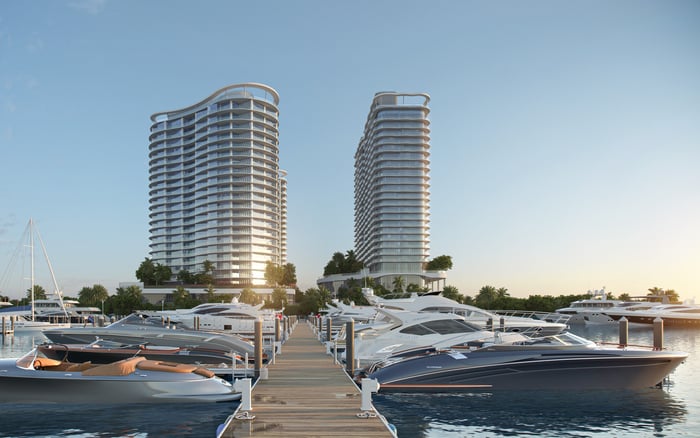
If the goal is a more marina-forward identity, the conversation shifts. St. Regis® Residences Bahia Mar Fort Lauderdale invites buyers to evaluate the relationship between residence, waterfront setting, brand expectations, and daily movement. The right due diligence is not just about finishes. It is about whether the project’s lifestyle promise matches the buyer’s actual patterns.
Create a one-page ownership brief before touring. Include must-haves, hard exclusions, preferred arrival route, anticipated guests, pet needs, boating requirements, privacy threshold, service expectations, rental posture if relevant, and acceptable monthly carrying costs. Then judge every residence against that brief. Emotional clarity is valuable; written discipline protects the acquisition.
In South Florida, luxury buyers cannot separate physical beauty from physical risk. Waterfront ownership demands a serious review of building systems, maintenance culture, insurance posture, and association governance. This is especially important for a pied-à-terre because the owner may not be present when small problems become expensive ones.
Before signing, ask for the condominium documents, budget, reserve position, insurance details, house rules, maintenance history, current litigation disclosures, and recent board communications. The objective is not to find a perfect building. The objective is to understand whether the building behaves like a serious long-term asset.
Examine how the residence will perform when unoccupied. Who can access the unit for approved maintenance? How are deliveries handled? What are the rules for contractors, guests, staff, pets, vehicles, and storage? How quickly does management communicate? A trophy pied-à-terre should feel protected when the owner is absent, not neglected.
For buyers who prefer a quieter residential experience, Riva Residenze Fort Lauderdale offers a useful lens through which to compare scale, privacy, water orientation, and daily livability. The question is not whether a project sounds louder or quieter in marketing terms. It is whether its operating culture suits the owner’s desired level of discretion.
Amenity lists can be seductive, but a pied-à-terre lives or dies by service execution. A gym, pool, spa, lobby, and lounge are not differentiators unless they are managed with consistency. Ask how staffing is structured, how peak periods are handled, what services are included, which services are à la carte, and how residents communicate with management.
The highest-value questions are often mundane. Is there a reliable method for placing groceries before arrival? Can housekeeping be coordinated within building rules? How are packages secured? Are private chefs and wellness providers permitted? What happens if an owner arrives late at night? Can a car remain on site for extended periods? If a boat is part of the lifestyle, how does the residence integrate with that reality rather than merely gesture toward it?
Buyers considering The Ritz-Carlton Residences® Fort Lauderdale should compare the brand promise with their own expectations for privacy, staffing, and daily hospitality. Branded residences can offer powerful familiarity, but the buyer should still evaluate building rules, culture, and owner experience with the same rigor applied to any independent condominium.
Do not confuse a grand lobby with a well-run building. The lobby is the prologue. The balance sheet, staffing model, elevator reliability, parking choreography, and resident conduct are the chapters that follow.
A pied-à-terre buyer should walk the neighborhood, drive the arrival sequence, and time routine movements. Where will guests be dropped? Where will drivers wait? How does the building feel after dinner? What is the route from airport, marina, beach, dining, and shopping? Is the address serene, social, or somewhere in between?
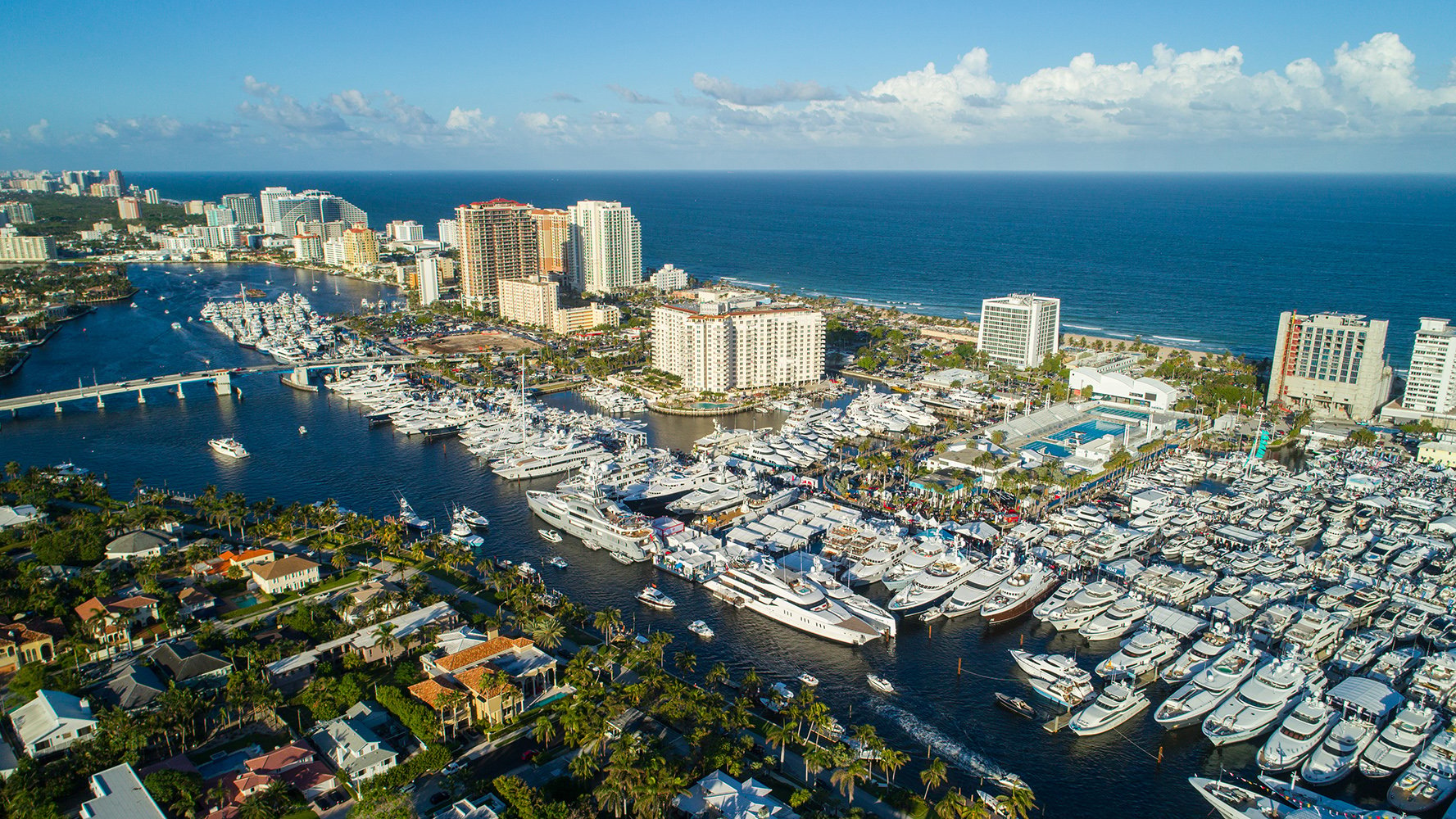
Fort Lauderdale’s appeal for many buyers lies in the possibility of a more relaxed waterfront life within a sophisticated South Florida frame. Yet the city is not monolithic. Beachfront, marina-adjacent, river-oriented, and downtown-adjacent settings can feel dramatically different in daily use. A buyer who wants quiet mornings may not want the same address as a buyer who wants a lively, walkable evening rhythm.
For those drawn to a more urban waterfront feel, Sixth & Rio Fort Lauderdale can be used as a comparison point when evaluating scale, access, and neighborhood cadence. The value is not only in the residence itself, but in the way the address supports the owner’s intended use.
The best test is a simulated stay. Arrive as you would arrive, dine as you would dine, park as you would park, and leave as you would leave. If the experience feels heavy before ownership, it will not become lighter after closing.
Even the most emotional pied-à-terre purchase deserves an exit thesis. Ask who the next buyer is likely to be, what they will value, and whether the residence has traits that remain scarce. Views, terrace usability, privacy, ceiling height, parking convenience, service quality, and building reputation can matter as much as interior decoration.
Avoid over-customizing too early. A pied-à-terre should feel personal, but future buyers may not share highly specific design choices. Favor excellent materials, flexible rooms, strong lighting, thoughtful storage, and durable systems. The most elegant secondary homes are often those that make ownership feel effortless.
Finally, pressure-test cost tolerance. Monthly carrying costs, insurance exposure, association decisions, special assessments, taxes, maintenance, staffing, and travel logistics should be considered before the thrill of the view takes over. The right trophy residence is not the one that wins the first showing. It is the one that still feels intelligent after the documents, costs, and lifestyle logistics have been fully reviewed.
What is the first thing a pied-à-terre buyer should test in Fort Lauderdale? Test the daily rhythm. Arrival, parking, service, neighborhood movement, and weekend conditions matter as much as the residence itself.
Should a trophy buyer prioritize oceanfront or marina access? It depends on use. Oceanfront may suit a beach-led lifestyle, while marina proximity may better serve a boating-led ownership pattern.
Are branded residences always better for a second home? Not always. They can offer service familiarity, but buyers should still examine rules, costs, staffing, privacy, and building culture.
How important are condominium documents? They are essential. Budgets, reserves, insurance, rules, and governance reveal whether the building is managed like a long-term asset.
Should buyers stay in Fort Lauderdale before purchasing? Yes, if possible. A short simulated stay can reveal traffic, noise, service gaps, and location advantages that a showing cannot.
What makes a pied-à-terre feel truly effortless? Reliable management, easy access, secure deliveries, practical storage, strong maintenance protocols, and intuitive hospitality all matter.
Is new construction always the safest choice? No. New construction can be compelling, but buyers should still evaluate the developer, association structure, rules, and long-term costs.
How should buyers think about resale? Focus on durable scarcity. Views, privacy, service quality, building reputation, and location logic often support future demand.
Can a pied-à-terre be highly personal and still marketable? Yes. Personal art and furnishings are flexible, while permanent finishes should remain refined, durable, and broadly appealing.
What should trigger a pause before buying? Unclear governance, weak communication, restrictive rules, uncomfortable carrying costs, or a lifestyle mismatch should slow the process.
For a discreet conversation and a curated building-by-building shortlist, connect with MILLION.
If branded residences are on your mind — as a home or as an allocation — we would be glad to share what we are seeing, privately.
Begin a quiet conversation