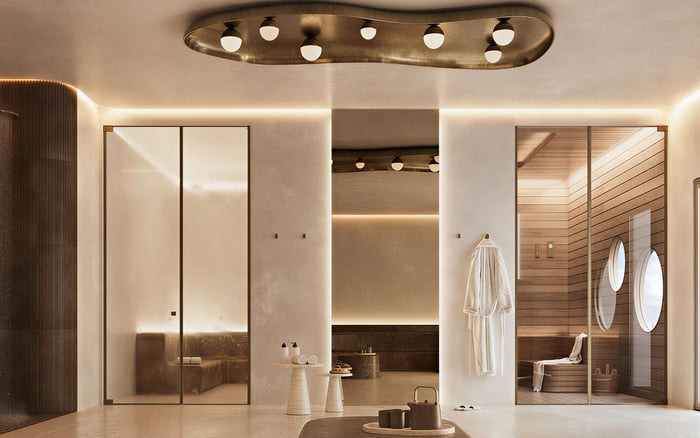
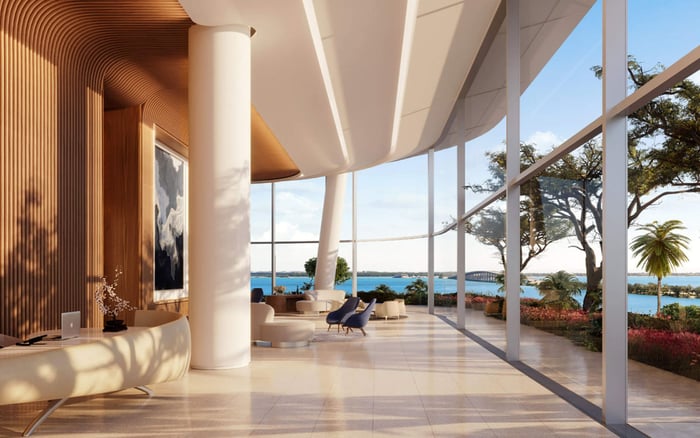
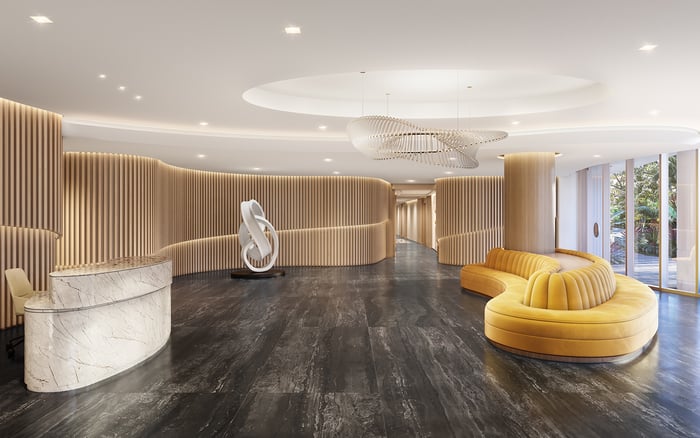
Quiet luxury in South Florida condos is less about spectacle and more about service architecture: private arrivals, intuitive staff culture, calm amenities, and residences that protect time, privacy, and ease.
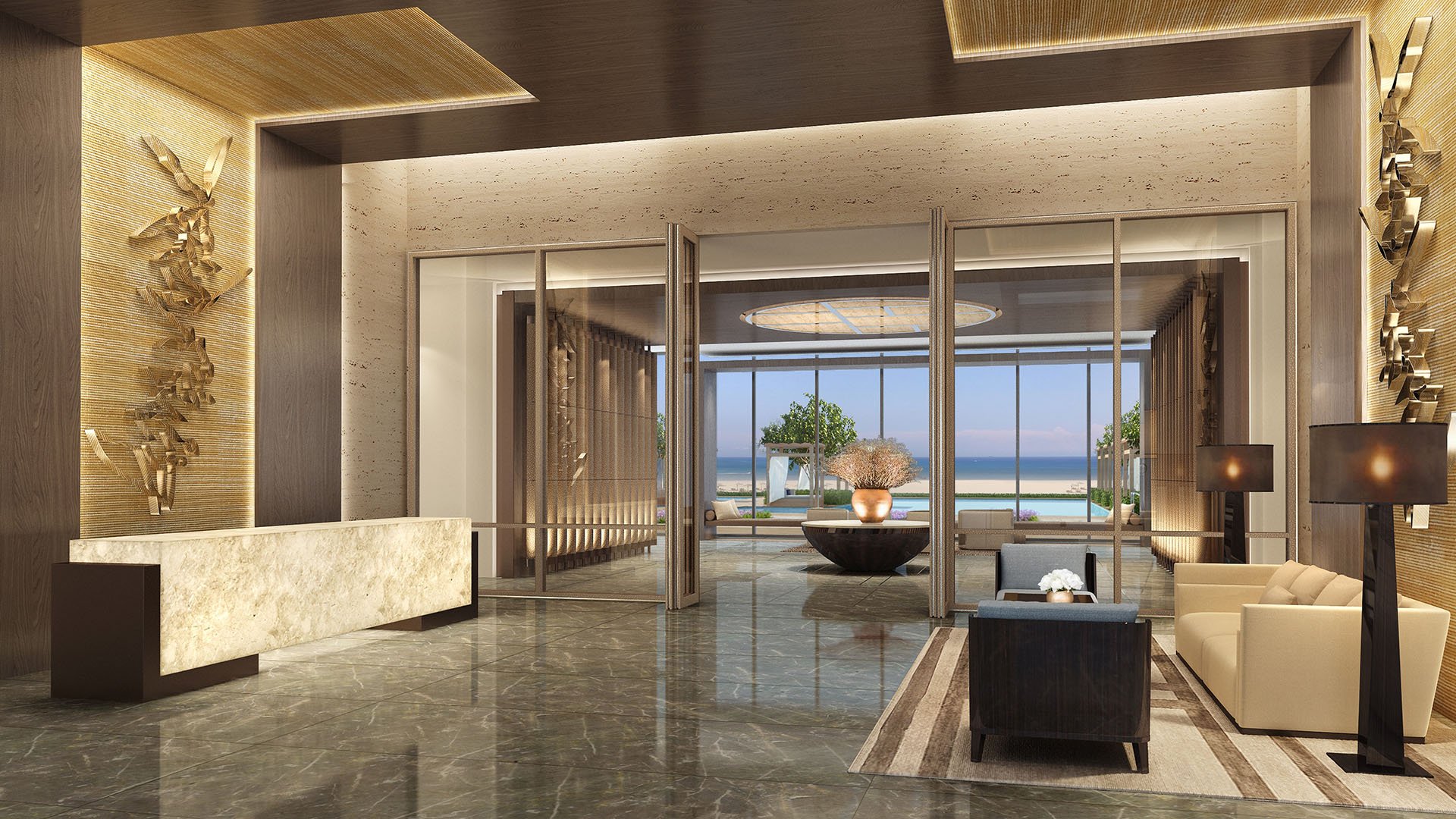
In South Florida’s most refined condominium market, luxury is becoming quieter. The signal is no longer a lobby designed for spectacle or an amenity deck that feels like a resort advertisement. The more persuasive standard is discretion: a residence where arrivals feel seamless, staff presence is intuitive, guests are recognized without fanfare, and daily routines unfold without friction.
This is the discreet service standard. It is the difference between being impressed and being understood. For buyers who already recognize fine materials, open water views, and architectural pedigree, service has become the element that determines whether a building feels merely expensive or genuinely rare.
Quiet luxury is not minimal service. It is service with restraint. The best experience is felt in the absence of interruptions: no awkward wait at the porte cochere, no public negotiation over deliveries, no crowded elevator moment after a private dinner, no staff member who needs to be reminded twice. The environment feels composed because every visible gesture is supported by an invisible system.
A discreet building begins before the front door. The arrival sequence matters because it tells residents how the property will handle their time. Is the approach calm? Is there a clear sense of privacy between residents, guests, service providers, and staff? Does the entrance feel ceremonial without becoming theatrical? These questions reveal more than a rendering ever can.
Inside, the lobby should not have to announce importance. A refined residential lobby is proportioned, legible, and controlled. It allows a resident to enter, be acknowledged, and continue privately. Seating should feel useful rather than staged. Lighting should flatter the space without turning it into a showroom. The concierge position should be accessible, but never intrusive.
Buyers comparing buildings such as The Residences at 1428 Brickell or The Perigon Miami Beach are often evaluating more than location. They are judging how a building manages thresholds: public to private, city to home, social to serene.
The most valuable service in a luxury condo is not simply availability. It is judgment. A well-trained residential team understands when to step forward and when to disappear. They can receive a guest with grace, coordinate a delivery without making it visible, and solve a small problem before it becomes a conversation.
This is where quiet luxury separates itself from amenity abundance. A long menu of services can still feel chaotic if the staff culture lacks precision. Conversely, a building with fewer theatrics can feel deeply luxurious when every interaction is consistent, warm, and confidential.
Buyers should listen closely during tours. The language used by sales teams, managers, and front-of-house staff can reveal the tone of the building. Does the conversation emphasize privacy, resident preference, and continuity? Or does it lean too heavily on novelty? Quiet luxury is built on memory and trust, not constant surprise.
Amenities still matter, but the way they are used matters more than their quantity. A discreet service standard asks whether wellness spaces, dining areas, lounges, pools, and guest suites can be enjoyed without feeling exposed. The best amenity environments provide choice: social when desired, secluded when needed.
In Miami Beach and Surfside, buyers may gravitate toward a coastal sense of calm, where the day is organized around light, air, and access to the water. The Surf Club Four Seasons Surfside naturally enters conversations about timelessness and a quieter coastal mood. In Coconut Grove, the appeal often comes from greenery, shade, and a softer residential rhythm, which is why Four Seasons Residences Coconut Grove is often considered in a different lifestyle frame than a high-energy urban tower.
The common thread is not aesthetic sameness. It is control. Quiet luxury gives residents the ability to choose their level of engagement. The building should never force sociability, even when it offers beautiful places to gather.
For ultra-premium buyers, privacy is no longer an abstract preference. It is a daily utility, as essential as parking, security, or climate control. It affects how residents host, how they travel, how they receive household support, and how they move between home and the wider city.
A discreet condominium respects layered privacy. There is the privacy of the residence itself, but also the privacy of arrival, elevator circulation, amenity use, package handling, and guest management. The strongest buildings treat these layers as part of the architecture rather than an afterthought.
This is particularly relevant in South Florida, where many owners balance seasonal residence, full-time living, business travel, family visits, and entertaining. The building must accommodate all of it without making the resident feel observed. The most elegant service is not the one that draws attention. It is the one that protects ease.
Quiet luxury takes different forms across South Florida. Brickell may prioritize seamless urban efficiency, with quick transitions between private residence, dining, work, and waterfront life. Miami Beach may place more weight on resort-like calm, open air, and a sense of retreat. Sunny Isles can appeal to buyers who want height, views, and a polished oceanfront rhythm. Surfside often suggests a more intimate coastal atmosphere. Coconut Grove can feel lush and residential. West Palm Beach introduces a composed, civic, and cultural sensibility.
Whether the search begins in Brickell, Miami Beach, Sunny Isles, Surfside, Coconut Grove, or West Palm Beach, the deeper question is always the same: which address will make life feel most effortless?
That is why a West Palm Beach buyer looking at The Ritz-Carlton Residences® West Palm Beach may be considering not only the residence, but also the surrounding pace. The right building should feel aligned with the owner’s personal rhythm, not merely with a market label.
A serious buyer should tour with the same attention they would bring to a private club, boutique hotel, or custom home. Notice what happens when you arrive. Notice who greets you, how quickly context is understood, and whether the building feels calm even when active. Ask how deliveries are handled. Ask how guests are announced. Ask where staff move when they are not visible.
Also consider acoustic privacy. The sound of a building is often overlooked. A truly refined property should not feel busy in its corridors, elevators, or amenity spaces. Quiet does not mean empty. It means thoughtfully buffered.
Finally, observe whether the residence feels independent from the building’s public personality. A luxury condo should allow a resident to enjoy the benefits of shared service without surrendering the intimacy of a private home. That balance is the essence of the discreet service standard.
Quiet luxury in South Florida condos is not a trend of beige rooms and soft branding. It is a more demanding measure of performance. It asks whether architecture, staffing, operations, and neighborhood context work together to protect the resident’s time and privacy.
The best buildings do not need to overwhelm. They create a sense of confidence. Doors open at the right moment. Names are remembered. Spaces feel ready. Amenities are available without feeling crowded. Staff members are present without becoming part of the scene.
For the right buyer, that is the new definition of prestige. Not excess. Not exposure. Not performance. Just a beautifully managed life.
What does quiet luxury mean in a South Florida condo? It means privacy, composure, and service that anticipates needs without turning daily life into theater.
Is quiet luxury mainly about interior design? No. Interiors matter, but the stronger signal is how a building manages arrivals, staff, amenities, and privacy.
Why is service so important in ultra-luxury condos? Service determines how the property feels after the first impression, especially for owners who value time and discretion.
What should buyers watch during a private tour? Watch the arrival flow, staff tone, elevator experience, lobby calm, and how private resident movement feels.
Are branded residences always more discreet? Not automatically. The brand may set expectations, but the actual resident experience depends on operations and culture.
How can amenities feel luxurious without feeling busy? They need thoughtful scheduling, spatial separation, acoustic control, and options for both social and private use.
Does neighborhood choice affect the service experience? Yes. Urban, oceanfront, garden, and civic settings each create a different rhythm for daily living.
Is privacy more important for seasonal owners? It can be especially valuable because seasonal owners often need seamless arrivals, guest handling, and home readiness.
Can a smaller boutique building deliver quiet luxury? Yes. Boutique scale can feel highly discreet when staffing, circulation, and resident recognition are well managed.
What is the simplest test of discreet service? Ask whether the building makes everyday life easier without asking the resident to manage the process.
To compare the best-fit options with clarity, connect with MILLION.
If branded residences are on your mind — as a home or as an allocation — we would be glad to share what we are seeing, privately.
Begin a quiet conversation