A discreet buyer’s guide for collectors and household staff evaluating climate control, storage, light, access, and daily operating protocols before committing to a South Florida residence.
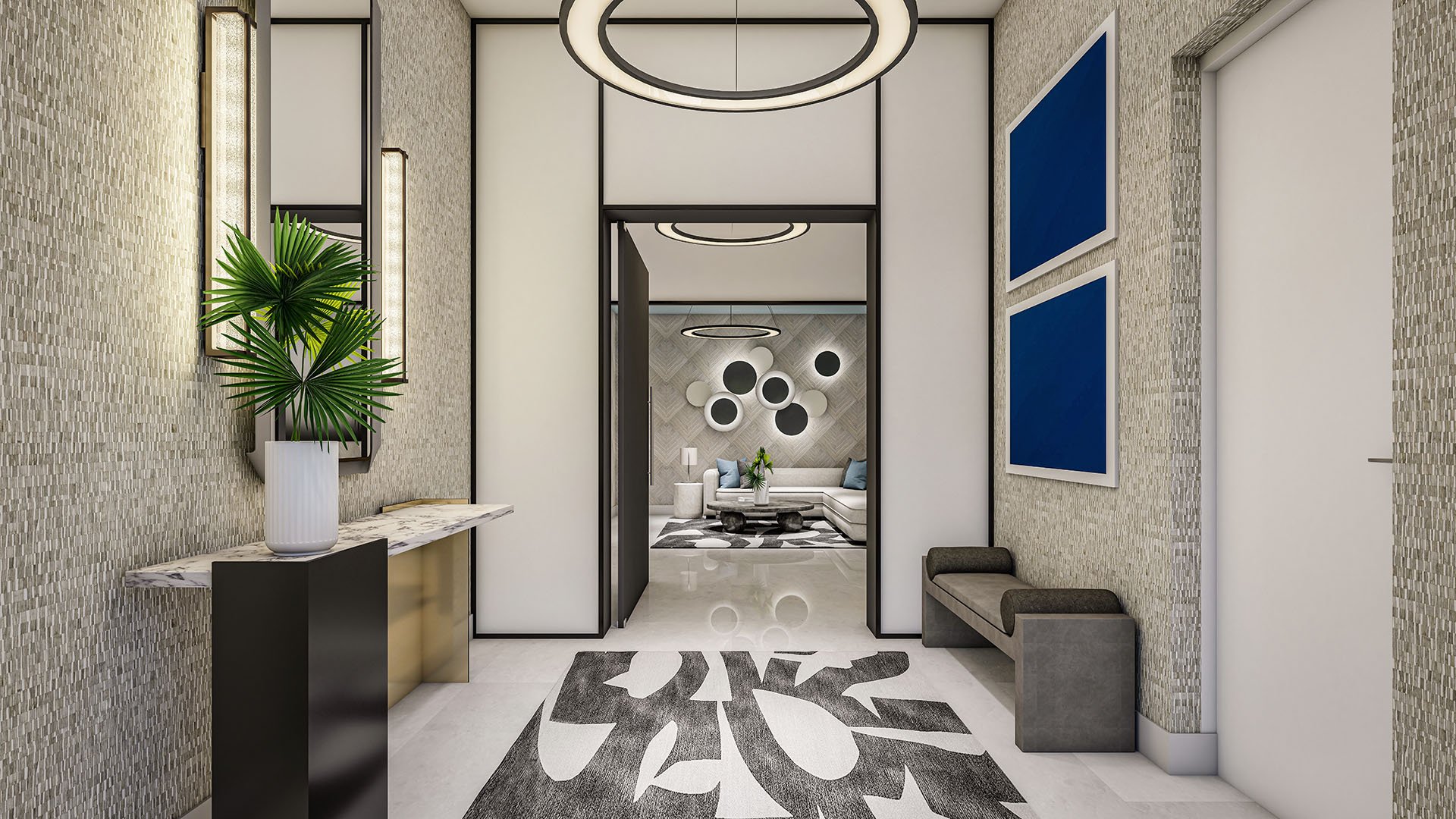
For collectors buying in South Florida, art-friendly climate control is not a technical footnote to delegate after closing. It is part of the residence itself, especially when the household includes estate managers, private chefs, housekeepers, art handlers, security teams, and seasonal guests moving through the property every day.
The most sophisticated homes in Miami Beach, Brickell, Coconut Grove, and Palm Beach are designed for beauty, privacy, and ease. Yet a collection raises the standard of due diligence. A residence that feels perfectly comfortable for people may still warrant closer review for paintings, works on paper, textiles, photography, design objects, wine-adjacent display areas, and materials sensitive to moisture, sunlight, temperature swings, or repeated handling.
Before signing, the essential question is not whether the home is luxurious. It is whether the home can be operated consistently. A collection lives inside routines: doors opening for deliveries, staff adjusting thermostats, terrace sliders left ajar during entertaining, storage rooms used for overflow, lighting scenes changed for dinner, and service corridors becoming temporary staging areas. The more active the household, the more intentional the climate plan should be.
Collectors with staff have an advantage, but only if the team is given a clear operating framework. Art-friendly climate control is not simply a mechanical system. It is a set of habits that governs where art is placed, how rooms are opened, who can adjust settings, how cleaning is performed, and what happens when the owner is away.
A principal residence in Brickell, for example, may require different staff choreography than a low-profile bayfront home or a seasonal condominium. In a vertical residence such as The Residences at 1428 Brickell, the due diligence conversation should include how the private interior environment will be monitored, who receives alerts, and how service access intersects with installation days. The most elegant outcome is a home where staff can work naturally without compromising the collection.
The same applies to Design & Architecture priorities. Large-format glazing, sculptural staircases, double-height living rooms, and gallery-like corridors can be spectacular settings for art. They can also raise practical questions about light exposure, airflow, ladder access, hanging systems, packing paths, and discreet sensors. A collector should ask those questions while the floor plan can still be studied carefully, not after the art advisor has arrived with crates.
The most valuable questions are operational. How are temperature and humidity settings controlled? Can key rooms be managed separately? Is there a way to monitor the environment when the owner is traveling? Where would crates be received, opened, and temporarily stored? Which walls are appropriate for major works? What lighting temperatures and dimming controls are available? How will staff know which areas should remain stable during events?
For a Miami Beach residence such as The Perigon Miami Beach, waterfront living may invite an indoor-outdoor rhythm that is part of the appeal. That same rhythm makes staff protocols essential. Terrace doors, entertaining setups, floral arrangements, catering heat, and frequent guest movement can all affect the way a room performs. The goal is not to make the home feel restrictive. The goal is to create quiet discipline around the art.
Collectors should also think beyond display walls. Powder rooms, elevator foyers, private offices, dressing rooms, wine-adjacent lounges, and media rooms often become tempting places for smaller works. Before those decisions are made, the team should understand which areas are stable, which are transitional, and which should be avoided for sensitive pieces. A room-by-room art plan can prevent costly improvisation.
A well-run residence needs a written playbook. It does not have to be theatrical or burdensome. It should be simple enough for daily use and precise enough to protect the collection when the principal is away.
The estate manager should know preferred climate settings, authorized vendors, delivery procedures, emergency contacts, insurance documentation locations, photography rules, and protocols for moving any object. Housekeepers should know which products, cloths, vacuums, ladders, and cleaning distances are acceptable near art. Security should understand who is permitted to enter display, storage, and staging areas. Private chefs and event teams should know where heat, moisture, and traffic should be redirected during service.
In Coconut Grove, where privacy and layered indoor-outdoor living are central to the lifestyle, a residence such as Four Seasons Residences Coconut Grove can suit collectors who want daily ease without sacrificing discretion. The collector’s task is to ensure the household rhythm supports the collection. That means training staff before a major installation, not after a near miss.
Many South Florida collectors are not in residence year-round. Seasonal ownership increases the importance of remote oversight. If a home will sit quietly for extended periods, the owner and staff should know who monitors conditions, who has authority to respond, and how quickly a qualified person can access the residence if something changes.
Power continuity deserves a calm, practical conversation. Collectors should ask what systems are intended to remain active during an interruption, how long essential support can be maintained, and which member of the household team is responsible for escalation. The answer may vary by building, residence type, and private enhancements. The important point is to understand the plan before art is installed.
Palm Beach buyers may be especially attuned to privacy, legacy planning, and long-term household continuity. In that context, The Ritz-Carlton Residences® West Palm Beach represents the kind of setting where a collector may want the residence to function seamlessly for family, guests, and staff across seasons. The climate-control review should be treated as part of that broader continuity plan.
Once a contract is signed, leverage narrows and assumptions harden. Before signing, a buyer can still ask focused questions, request walk-throughs with advisors, study wall conditions, evaluate storage, and decide whether private upgrades are necessary. This is the moment to align the architect, designer, art advisor, estate manager, and real estate team.
Art-friendly climate control also shapes the purchase decision itself. Some collectors need a residence that can hold museum-caliber works in daily living spaces. Others need a South Florida base with a smaller rotating selection and off-site storage. Still others want a family home where art is present but not dominant. Each scenario calls for a different level of system review and staff discipline.
The best residences do not make preservation feel clinical. They allow art to become part of the atmosphere while keeping risk intelligently managed. For collectors, that is the highest form of luxury: beauty that can be lived with, staffed, protected, and handed over without constant explanation.
Should collectors evaluate climate control before choosing a residence? Yes. The review should begin before signing so the buyer can understand whether the home suits the collection and the staff’s operating needs.
Is standard residential comfort enough for valuable art? Not always. A room that is comfortable for people may still require closer review for humidity, light, airflow, and daily use patterns.
Why does household staff change the equation? Staff members control many daily variables, including doors, cleaning, deliveries, events, and access. Clear protocols help prevent accidental exposure or handling.
Should an estate manager be involved in the purchase process? Yes. The estate manager can identify operational issues that may not be obvious during a design-focused showing.
Are waterfront residences unsuitable for collections? No. They simply deserve thoughtful planning around indoor-outdoor use, monitoring, display locations, and staff routines.
What rooms should receive the closest review? Primary living areas, storage rooms, elevator foyers, offices, corridors, and any space with significant light, moisture, or traffic should be studied.
Should buyers ask about power continuity? Yes. Collectors should understand which systems remain active during an interruption and who is responsible for response.
Can lighting affect where art is placed? Yes. Lighting quality, intensity, angle, and duration can influence whether a wall is appropriate for sensitive works.
Is a written staff playbook necessary? For serious collections, it is prudent. A concise playbook gives housekeepers, security, managers, and vendors consistent instructions.
When should the art advisor visit the property? Ideally before final commitment or early in the design process, when display, storage, and operational decisions can still be refined.
When you're ready to tour or underwrite the options, connect with MILLION.
If branded residences are on your mind — as a home or as an allocation — we would be glad to share what we are seeing, privately.
Begin a quiet conversation