A discreet guide for New York buyers comparing South Florida branded residences, from Brickell energy to West Palm Beach ease, with practical guidance on service, design, location and long-term ownership fit.
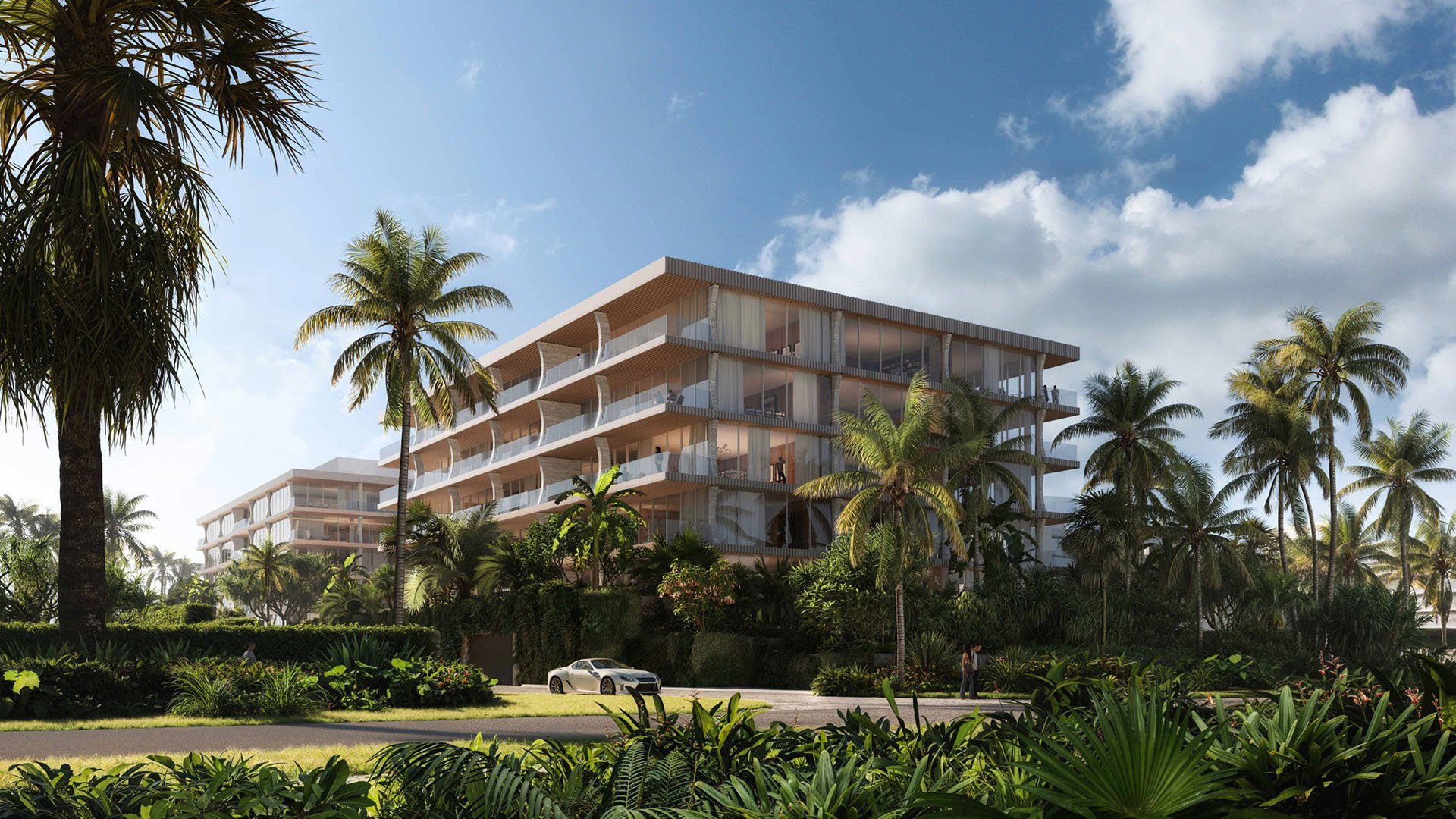
For a Brooklyn buyer, South Florida is not simply a change in weather. It is a change in rhythm, privacy, daily logistics and the way luxury is delivered. A branded residence promises a softer landing: recognizable service, curated design, a managed arrival experience and amenities that function less like additions than an operating system for the home.
Yet the name on the porte cochère is only the beginning. The strongest purchase is not necessarily the most famous brand, the newest tower or the most theatrical lobby. It is the residence whose service culture, neighborhood, floor plan, governance and exit liquidity match the way you actually intend to live.
That is why branded residences require a different kind of due diligence. A buyer moving from Brooklyn to West Palm Beach, Miami Beach, Brickell or Boca Raton is not only comparing views. They are comparing daily friction, social tone, privacy, programming, household support and the more intangible question of whether the brand will still feel relevant ten years from now.
A hospitality or design brand can signal service standards, aesthetic direction and a certain club-like promise. Buyers, however, should separate emotional recognition from operational substance. Ask what the brand controls, what it merely licenses and what level of ongoing involvement will shape the resident experience after delivery.
A hotel-rooted brand often appeals to buyers who want staff presence, concierge fluency and a sense of ceremony. A design-led brand may be better suited to those who care about material language, interiors and collectible identity. A wellness-oriented brand can be compelling for households that will actually use programming, treatment rooms, fitness spaces and calm communal areas.
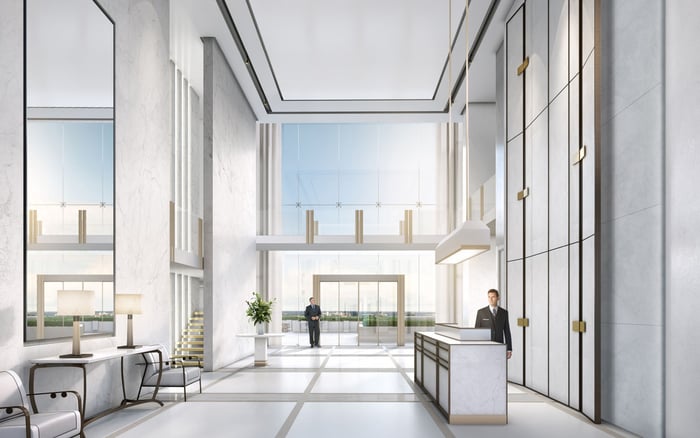
For instance, Baccarat Residences Brickell speaks to a buyer who wants a polished urban address with a recognizable luxury sensibility. That buyer may value arrival, service and skyline energy differently than someone seeking a quieter waterfront cadence in West Palm Beach.
A branded residence can make life feel seamless inside the building, but the neighborhood determines whether the purchase works over time. Brooklyn buyers are often accustomed to walking to dinner, coffee, schools, parks, culture and private services. In South Florida, the map is more varied. Some addresses feel urban and vertical. Others feel resort-like, discreet or residentially insulated.
Brickell offers intensity, dining, finance-driven energy and a high-rise lifestyle. Miami Beach adds ocean proximity, cultural cachet and a more resort-inflected rhythm. West Palm Beach has become especially attractive for buyers who want sophistication without the full tempo of Miami. Boca Raton can appeal to those prioritizing a more established residential atmosphere, private clubs, schools or a quieter daily routine.
This is where buyer guidance becomes most useful: it moves the conversation from generalized prestige to lived fit. A property may be exceptional, but if the surrounding pace is wrong, the home can become a beautiful compromise.
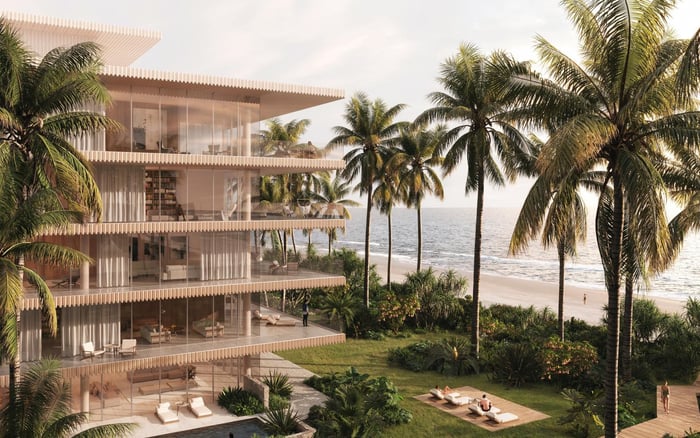
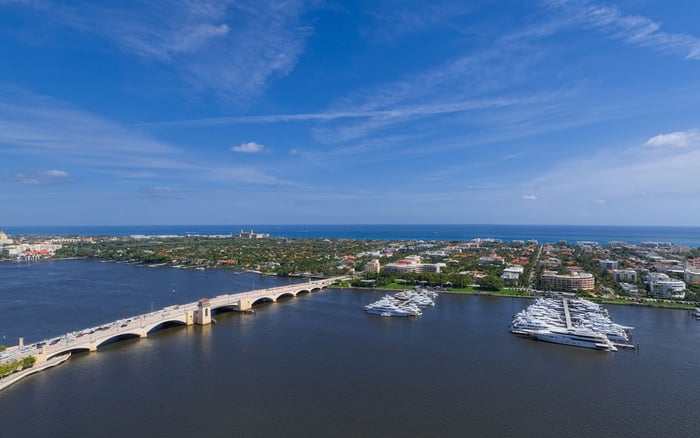
West Palm Beach has particular resonance for buyers who want access to culture, dining, waterfront living and Palm Beach proximity while preserving a more composed daily life. It can feel less like spectacle and more like a long-term relocation strategy. For former Brooklyn residents, the appeal is often not withdrawal from urban life, but refinement of it.
Within that frame, Mr. C Residences West Palm Beach may suit a buyer drawn to hospitality identity and a social but polished residential experience. The Ritz-Carlton Residences® West Palm Beach, by contrast, may appeal to those who place a premium on service familiarity, formality and a brand language that is globally understood.
The key is to compare not only finishes and amenities, but temperament. Does the building feel like a club, a hotel, a private residence or a hybrid of all three? The right answer depends on your household, not the market’s loudest narrative.
Miami Beach remains one of South Florida’s most emotionally powerful choices. For a Brooklyn buyer, it can offer ocean access, design culture and a sense of place that is difficult to replicate inland. But it also requires precision. The right building must filter the area’s public energy into a private residential experience.
A project such as Shore Club Private Collections Miami Beach may speak to buyers who want heritage, beachfront identity and a more curated relationship between hospitality and home. Here, the question is not whether the setting is desirable. It is whether the ownership structure, service offering and resident environment preserve privacy at the level expected by a primary or serious second-home buyer.
For many New Yorkers, the beach itself is not enough. The building must manage arrivals, guests, staff interactions, reservations, wellness and security with discretion. That is where a branded residence should prove its value.
Brickell and Boca Raton sit at different points on the South Florida lifestyle spectrum. Brickell is vertical, connected and metropolitan. Boca Raton is more measured, residential and often appealing to buyers who want space, order and a strong sense of everyday infrastructure.
In Boca Raton, The Residences at Mandarin Oriental Boca Raton offers an example of how a global hospitality name can align with buyers seeking service, polish and a calmer alternative to Miami’s pace. For families, frequent hosts or remote executives, that difference in tone can be decisive.
The best approach is to test your week, not your vacation. Where will you work? How often will guests visit? Do you want restaurants below, a beach nearby, a golf-and-club ecosystem, a boat-friendly routine or a lock-and-leave home that behaves like a private suite? These answers should narrow the search before square footage does.
The financial analysis of a branded residence should go beyond price per square foot. Buyers should review association budgets, anticipated service costs, brand fees, rental policies if relevant, maintenance standards, insurance considerations and the developer’s ability to execute the promised environment.
Service has a cost, and in the best buildings that cost is part of the value proposition. The issue is transparency. A polished brand should be matched by clear governance, durable staffing plans and rules that protect owners from a diluted residential experience.
Also consider resale. A strong brand can support recognition, but future buyers will still evaluate location, views, floor plan efficiency, building condition and the reputation of day-to-day management. Brand prestige may open the door. Operational excellence keeps value credible.
Begin with identity: do you want hotel-style ease, design distinction, wellness programming or a more classic residential service model? Then move to neighborhood fit. West Palm Beach, Brickell, Miami Beach and Boca Raton can all be correct, but rarely for the same buyer.
Next, audit privacy. Ask how the building separates residents from guests, deliveries, vendors and public-facing amenities. A branded residence with weak boundaries can feel busy, regardless of price point.
Finally, study the home itself. Light, ceiling height, terrace usability, storage, parking, staff circulation and bedroom separation matter more in daily life than lobby photography. A great brand cannot rescue a floor plan that does not support your routine.
The South Florida branded residence market rewards specificity. The buyer who chooses well is not chasing a logo. They are selecting a service culture, a neighborhood rhythm and a long-term version of themselves.
What is a branded residence? A branded residence is a private home associated with a hospitality, design, wellness or luxury brand, usually offering elevated services and curated amenities.
Is a branded residence always better than a non-branded condo? Not always. The premium is most compelling when the brand meaningfully improves service, design, management and the long-term ownership experience.
Why are Brooklyn buyers looking at West Palm Beach? West Palm Beach can offer urban convenience, waterfront access and a calmer social tempo, which may appeal to buyers seeking refinement without Miami’s full intensity.
Should I choose the brand or the neighborhood first? Start with the neighborhood. A strong brand can enhance daily life, but it cannot fully correct a location that does not match your routine.
Are branded residences good for primary homes? They can be, especially for buyers who value service, security, maintenance support and a turnkey lifestyle throughout the year.
What should I ask about brand involvement? Ask whether the brand is actively involved in service standards, design, operations and long-term oversight, or whether the relationship is primarily licensing.
Do branded residences have higher carrying costs? They often can, because service, staffing and amenities require funding. Buyers should review budgets and fees carefully before committing.
How important is privacy in a branded building? Privacy is essential. The best buildings clearly separate residents from hotel guests, public amenities, vendors and transient activity.
Can a branded residence work as a second home? Yes. Many buyers value the lock-and-leave convenience, managed services and predictable arrival experience for seasonal or part-time use.
What is the biggest mistake buyers make? The most common mistake is buying the logo rather than the lifestyle, governance, floor plan and neighborhood that support long-term satisfaction.
For a discreet conversation and a curated building-by-building shortlist, connect with MILLION.
If branded residences are on your mind — as a home or as an allocation — we would be glad to share what we are seeing, privately.
Begin a quiet conversation