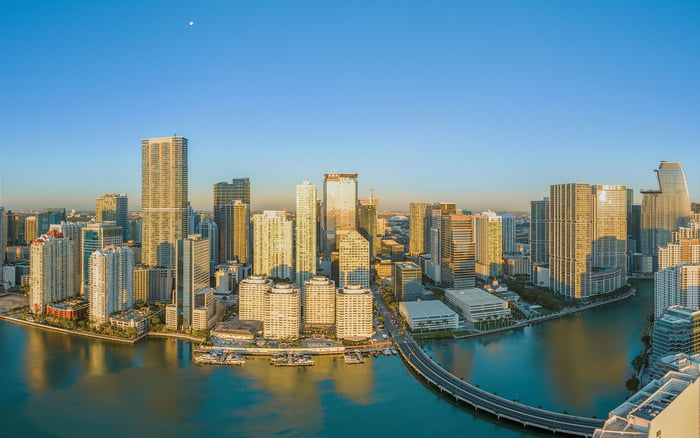
Terrace Wind should be treated as its own buyer-protection conversation, not a footnote inside a broader market tour. The review should separate legal structure, association health, building condition, insurance, flood exposure, financing, title, and entity questions before a buyer relies on marketing language or seller summaries.

For a luxury buyer, the most expensive misunderstanding is often not the purchase price. It is the assumption that a beautiful residence, a polished presentation, or a familiar South Florida setting has already resolved the harder ownership questions. Terrace Wind should be reviewed in a separate due-diligence conversation because the risk profile of a condominium or condominium-like purchase is not limited to the unit itself.
The right call is not adversarial. It is clarifying. It should separate design, view, outdoor living, and lifestyle appeal from the legal and financial architecture that follows the buyer after closing. In South Florida, shared-ownership residences can involve governing documents, association duties, budgets, insurance structures, disclosures, inspection questions, possible assessments, and project-level financing standards. Those issues deserve their own hour, their own document request, and their own decision framework.
This matters because no buyer should rely on an attractive name, a sales summary, or a secondhand description to define what Terrace Wind is. Before discussing value, the first question is identity: what is the legal structure, who is selling, what documents control the property, and what future obligations may transfer to the owner?
If Terrace Wind is a condominium, the building-level file can be central to the transaction. The buyer is not simply acquiring interior space. The buyer may be entering a shared ownership regime with rules, budgets, insurance responsibilities, repair obligations, and association governance.
The seller’s identity also matters. A developer sale and a nondeveloper resale can involve different contract and disclosure considerations, so that distinction should be established early with the buyer’s counsel. If the presentation suggests a new project, the conversation should be even more disciplined, because projected budgets and promised improvements are not the same as an operating history.
A refined buyer may organize the initial file around terrace use, investment goals, resale flexibility, new-project assumptions, Brickell comparisons, Broward alternatives, and Palm Beach expectations, but labels are not diligence. Documents are diligence. The legal structure should be confirmed, not inferred.
A separate Terrace Wind call should include a precise request for governing documents, budgets, financial statements, insurance information, meeting minutes, pending assessments, and litigation disclosures. These materials can change how ownership feels month to month and how risk is priced at closing.
Budgets reveal more than routine maintenance. They can show whether operating costs are changing, whether insurance is pressuring monthly obligations, and whether reserves are being funded in a way that supports long-term building care. Meeting minutes may surface concerns that have not yet become formal assessments. Litigation disclosures may identify disputes that affect cost, timing, or the association’s ability to act.
Special assessments deserve a direct question, not a casual aside. A buyer should ask whether assessments are pending, recently approved, being discussed, or reasonably anticipated. The answer can influence offer structure, escrow language, closing conditions, and the buyer’s appetite for the residence.
A Terrace Wind review should ask whether any building inspections, engineering reports, repair plans, municipal reviews, or association condition reports are available. The buyer’s team should also determine whether any required follow-up work remains open and whether future work could affect access, dues, assessments, or timing.
This is not merely a checklist item. Building-condition documentation can affect confidence, financing, insurance review, association planning, and future owner costs. If the property is in Miami-Dade, Broward, or Palm Beach County, local records and association files should be reviewed by the appropriate professionals.
Buyers often focus on what they can see: the lobby, the residence, the balcony, the view line, and the amenity spaces. The more important question may be what the association has documented about the building’s condition and what obligations remain ahead.
Reserve funding should be addressed separately because it can shape both near-term carrying costs and long-term building stewardship. A buyer should ask whether reserve studies or capital plans exist, what major components they cover, and how the association expects to fund future obligations.
The answer can materially change ownership economics. If funding has to increase, monthly dues or assessment risk can rise. If work is required, project timing and owner disruption can become part of the decision.
This is where an elegant purchase becomes a disciplined one. A buyer may love the terrace lifestyle, but long-term value is protected by understanding the capital plan behind the building.
South Florida buyers should not compress insurance and climate exposure into a generic closing checklist. Flood exposure can be location-specific and may affect insurance requirements, lender treatment, and long-term carrying costs. Coastal and waterfront exposure should be reviewed with location-based diligence in mind, especially where storm conditions, drainage, or elevation may influence risk perception.
Windstorm insurance also belongs in the conversation. Wind mitigation information may affect insurance evaluation, and the association’s master policy should be reviewed alongside any owner-level coverage required for the unit. A buyer should understand deductibles, exclusions, coverage limits, and how losses may be allocated among owners.
For buyers comparing Brickell towers with Broward waterfront residences or Palm Beach coastal living, the lesson is the same: the most desirable settings often require the most careful insurance conversation.
A separate Terrace Wind review should include property-record checks to verify ownership, assessed values, exemptions, property characteristics, and tax-related details. County records should be reviewed according to the property’s location, whether in Miami-Dade, Broward, or Palm Beach.
Official records should be searched for liens, recorded declarations, mortgages, notices, amendments, and other encumbrances. Marketing materials can introduce a property; they should not substitute for the recorded history that governs it.
Entity-level diligence is also important. If a seller, developer, association, or management company is organized through a business entity, the buyer’s team should confirm the entity details and authority to act. For high-value purchases made through entities or trusts, counsel should also evaluate any reporting or compliance considerations that may apply.
Even a cash buyer benefits from understanding financeability. Project-level eligibility standards for condominium and cooperative properties can affect whether future buyers can obtain conventional financing. That, in turn, can influence resale liquidity, buyer depth, and valuation.
A lender’s review may look beyond the borrower and into the association, insurance, budget, reserves, litigation, ownership concentration, and building condition. A residence can be appealing and still face project-level scrutiny. Buyers should know that before they negotiate, not after contract deadlines have passed.
A polished due-diligence call should leave the buyer with a concise matrix: legal structure, seller status, disclosure package, association health, inspection status, reserve position, assessments, insurance, flood and wind exposure, title, entity checks, and financing. Each item should be assigned to counsel, lender, insurance adviser, title professional, inspector, or buyer representative as appropriate.
The purpose is not to diminish the appeal of Terrace Wind. It is to preserve optionality. The buyer who asks these questions early can negotiate more intelligently, waive fewer rights casually, and avoid discovering structural, financial, or legal friction after emotional commitment has already set in.
Why should Terrace Wind have a separate due-diligence call? Because project-level legal, financial, insurance, inspection, and title issues can materially affect ownership cost and risk.
Is this only necessary if Terrace Wind is a condominium? It is most critical if the property is a condominium, but many of the same record, insurance, financing, and title questions remain useful in other structures.
What should buyers request first? Start with governing documents, budgets, financial statements, insurance details, meeting minutes, assessments, litigation disclosures, and recorded documents.
Why does seller status matter? Developer and nondeveloper sales can involve different contract and disclosure considerations, so the distinction should be confirmed early with counsel.
What should buyers ask about building condition? They should ask for available inspection reports, engineering reviews, repair plans, association condition records, and any open follow-up work.
Why are reserves important? Reserve planning can influence dues, assessments, financing confidence, and long-term building stewardship.
Should flood exposure be discussed even for luxury buyers? Yes. Flood and coastal exposure can affect insurance requirements, lender review, and long-term carrying costs.
Can financing matter if the buyer is paying cash? Yes. Project financeability can affect future resale liquidity because later buyers may depend on loan eligibility.
What records should be checked before relying on marketing materials? Buyers should review property records, official records, recorded declarations, liens, notices, mortgages, and relevant entity details.
What is the best way to shortlist comparable options for touring? Start with location fit, delivery status, and daily lifestyle priorities, then compare stacks and elevations to validate views and privacy.
For a tailored shortlist and next-step guidance, connect with MILLION.
If branded residences are on your mind — as a home or as an allocation — we would be glad to share what we are seeing, privately.
Begin a quiet conversation