A discreet buyer’s guide to treating cold plunge access as a separate due-diligence topic, with attention to rules, governance, privacy, maintenance, and resale context.
In the upper tier of South Florida real estate, wellness is no longer a decorative amenity category. Buyers are examining how spaces perform, how they are governed, and whether the daily experience matches the polished presentation. Cold plunge access sits squarely within that more exacting review. It may appear simple in a rendering or amenity tour, but its value depends on rules, reliability, maintenance, capacity, privacy, and the culture of use within the building.
For that reason, cold plunge access should not be reduced to a passing line item in a general amenities discussion. It deserves a separate due-diligence conversation, ideally before a buyer becomes emotionally anchored to the residence. The question is not merely whether a building has a cold plunge. The better question is how access will work in practice after closing.
A cold plunge is a physical installation, but the buyer experience is operational. Access can be shaped by hours, booking systems, guest permissions, capacity limits, spa staffing, cleaning protocols, age restrictions, and association policies. Even where the design is exceptional, an owner’s actual enjoyment may depend on small details that are easy to miss during a curated tour.
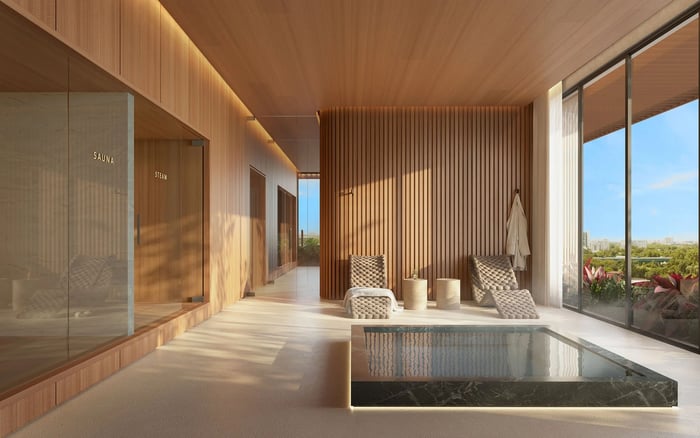
It is also social. A plunge used for a quiet recovery ritual creates a different environment from one that becomes a crowded post-workout gathering point. Buyers who value privacy should ask how the space is located, whether it is visually separated from other wellness areas, and how simultaneous use is managed. A serene amenity loses its appeal if the daily setting feels unpredictable.
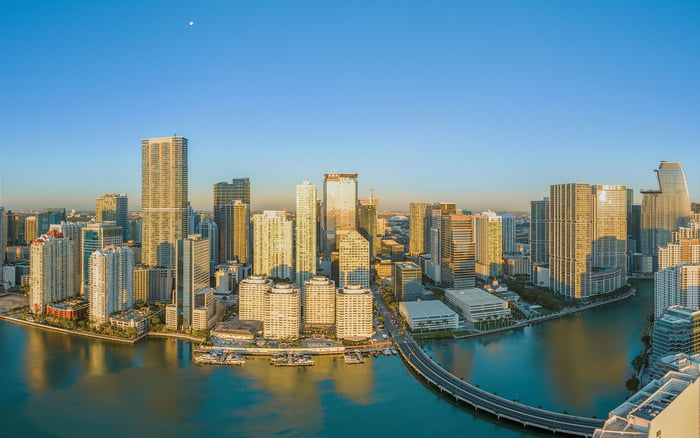
This is especially relevant in amenity-forward markets such as Brickell, where buyers often compare buildings by lifestyle programming as much as by views and finishes. The same lens applies to new-construction launches, oceanfront towers, pool-oriented amenity decks, resale offerings, and a second-home purchase where the owner may use the residence intermittently but expect seamless access upon arrival.
The first question is access. Is the cold plunge available to all residents, only certain membership tiers, spa users, hotel guests, or private residence owners? If a building combines residential and hospitality components, buyers should be especially attentive to who can use the wellness areas and under what conditions. A beautifully presented plunge may not carry the same value if it is shared more broadly than expected.
The second question is scheduling. Some buyers prefer open access; others appreciate reservations because they reduce crowding. Neither model is inherently superior. The important point is fit. A buyer who plans daily use may want to know whether prime morning and evening windows are difficult to secure. A buyer focused on occasional recovery may care more about spontaneity and guest flexibility.
The third question is operating responsibility. Who maintains the system, who monitors cleanliness, and who responds if it is temporarily unavailable? Buyers do not need to become facilities experts, but they should understand whether upkeep is treated as a serious wellness function or as a secondary task within a broader amenity program.
Cold plunge access can affect the perception of value even when the direct cost is not separated on a statement. Maintenance, repairs, staffing, inspections, supplies, and eventual replacement planning all flow through some version of building operations. In a luxury condominium, the issue is not simply whether an amenity costs money. All serious amenities do. The issue is whether the cost is transparent, sustainable, and aligned with owner expectations.
Governance matters because amenities can change. Rules may be amended. Hours may be adjusted. A reservation system may be introduced. Guest access may tighten. A separate conversation allows buyers to ask whether the cold plunge is part of the building’s core wellness identity or more of a supplemental feature. Core amenities are often treated with greater consistency because they are central to the building’s positioning.
Buyers should also ask how disputes are handled. If residents disagree about noise, hygiene, scheduling, attire, or guest use, the association’s ability to enforce rules will shape the experience. A luxury amenity is only as refined as the conduct it can maintain.
Cold plunge routines are personal. Some owners use them after training, some as a morning ritual, and others as part of a spa circuit. Because the practice can involve changes in body temperature and individual health considerations, buyers should avoid assuming that access alone equals suitability. The space should support the buyer’s preferred routine without requiring awkward improvisation.
Privacy is often the decisive factor. A plunge beside a busy pool deck offers a different atmosphere than one tucked into a spa suite. A plunge adjacent to saunas and treatment rooms may feel more deliberate. A plunge visible from a fitness corridor may feel less intimate. The right choice depends on the buyer, but the distinction should be surfaced early.
For buyers evaluating a primary home, the question is daily livability. For a second-home buyer, the question is predictability. Will the amenity be available during peak seasonal periods? Will guests be permitted? Will access feel effortless during a short stay? The highest value is not novelty. It is dependability.
Wellness amenities can enhance the narrative of a residence, but sophisticated resale buyers are becoming more selective. They are less impressed by a checklist and more interested in whether the building delivers a coherent lifestyle. A cold plunge can be an asset when it is well maintained, appropriately governed, and integrated into a broader wellness program. It is less compelling when it feels underused, difficult to access, or inconsistently operated.
That is why buyers should document the answers received during due diligence. Marketing language can fade, but practical details remain relevant. Future purchasers may ask the same questions: who can use it, how often, under what rules, and in what condition? Clear answers can support confidence when the residence later returns to market.
Treat the cold plunge conversation as its own mini-review. Ask the sales team, management representative, or association contact to walk through access, rules, cleaning, guest policies, hours, costs, and contingency plans. Request written materials where available. Compare the amenity’s presentation with its actual operating structure.
Buyers should also tour the amenity at a realistic time of day when possible. A quiet mid-afternoon visit may not reveal morning demand. A weekend viewing may show how the building behaves when residents and guests overlap. The goal is not to interrogate the feature out of enjoyment. It is to protect the enjoyment by understanding what ownership will actually feel like.
In South Florida’s most considered residences, the difference between a luxury amenity and a luxury experience is execution. Cold plunge access belongs in that distinction. The best buyers ask early, listen carefully, and separate design appeal from operating truth.
Why should cold plunge access be reviewed separately? Because its value depends on access rules, maintenance, privacy, and daily operations, not just the presence of the amenity.
Is a cold plunge always included for all residents? Not necessarily. Buyers should confirm whether access is universal, restricted, appointment-based, or tied to a spa or membership structure.
What is the most important access question to ask? Ask who can use the plunge, when it can be used, and whether guests are permitted under the building’s current rules.
Can cold plunge rules change after purchase? Yes, amenity rules may evolve through building governance. Buyers should understand how changes are approved and communicated.
Should buyers ask about maintenance? Yes. Cleaning, monitoring, repairs, and downtime procedures directly affect whether the amenity feels reliable and premium.
Does cold plunge access affect resale value? It can support a wellness narrative when the amenity is credible, well run, and easy to explain to future buyers.
Is privacy a major factor? For many luxury buyers, yes. Location, visibility, capacity, and scheduling can determine whether the experience feels restorative.
How should a second-home buyer evaluate access? Focus on peak-season availability, guest permissions, and whether the amenity can be used easily during short stays.
Is a plunge near the pool less desirable? Not always. Some buyers like convenience, while others prefer a quieter spa setting with more separation.
What should be confirmed before signing? Confirm access rights, hours, reservation procedures, guest rules, maintenance responsibility, and any related operating costs.
For a tailored shortlist and next-step guidance, connect with MILLION.
If branded residences are on your mind — as a home or as an allocation — we would be glad to share what we are seeing, privately.
Begin a quiet conversation