A buyer-focused editorial on why wellness access, privacy, and medical concierge services may increasingly compete with skyline and water views in Miami condo searches.
For decades, the Miami condo search has followed a familiar hierarchy: water, height, exposure, and drama. A sweeping bay view could settle a debate before a buyer even reached the kitchen. In the ultra-premium market, however, the conversation is becoming more layered. The view still matters, but it is no longer the only emotional anchor. For certain buyers, especially those who travel frequently, manage demanding schedules, or care for family across generations, medical concierge access can feel as valuable as the most cinematic skyline.
This does not mean buyers have stopped wanting beauty. It means beauty is now measured alongside control. The modern luxury resident wants a home that protects time, reduces friction, and quietly supports health without turning daily life into an appointment. In that context, a medical concierge is not a novelty. It is part of a broader shift toward residences that function as private ecosystems.
Medical concierge appeals because it addresses a concern that luxury cannot always solve through square footage: uncertainty. A buyer can select the right floor, exposure, and finishes, yet still feel vulnerable if access to care is inconvenient. A strong wellness proposition changes that psychology. It suggests the building is not only a place to entertain and retreat, but also one where practical needs are anticipated.
In Miami, this idea is particularly resonant. Many luxury condo buyers divide time between cities, countries, and households. Some are purchasing a second home, while others are creating a long-term base for family, work, and leisure. The more complex the buyer’s life, the more valuable it becomes to have trusted access, privacy, and coordination nearby.
A medical concierge service may vary from one building or membership structure to another, so the details matter. Buyers should ask how the service is organized, what is included, what requires separate engagement, and how privacy is handled. The point is not simply to see the words in a brochure. The point is to understand whether the service fits the way the household actually lives.
A view is immediate. It creates emotion in seconds. Medical concierge, by contrast, is often appreciated through anticipation. It is the amenity a buyer values before a flight, after a minor injury, during a family visit, or while managing the health needs of a parent. The best luxury purchases often combine both: visual pleasure and invisible support.
Still, some buyers are willing to compromise on view if the building offers stronger everyday utility. A slightly less dramatic exposure may be acceptable if the residence delivers privacy, service, wellness programming, and an environment that feels calm under pressure. This is especially true when buyers are comparing similar residences within the same price band. Once the finishes, location, and floor plan are satisfactory, the deciding factor may be the building’s ability to simplify life.
The idea is not anti-view. It is pro-resilience. Oceanfront living will always command attention, but the modern buyer may ask a more exacting question: what does this building do for me when I am not standing at the window?
Medical concierge belongs to the same luxury language as private elevators, discreet arrival sequences, secure parking, and well-managed staff protocols. It is about reducing exposure. Buyers who value privacy do not necessarily want to move through crowded waiting rooms, explain personal matters repeatedly, or lose hours coordinating simple needs.
This is where the amenity becomes more than healthcare. It becomes choreography. The ideal experience is quiet, responsive, and precise. It allows residents to maintain their routines without broadcasting personal concerns. For high-profile owners, multigenerational families, and international buyers, that discretion can be more persuasive than another amenity that looks good in a photograph.
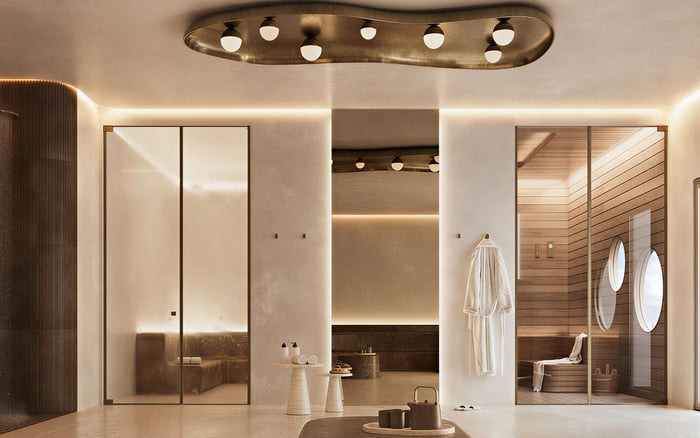
The same logic applies to wellness spaces. A pool, spa suite, recovery room, or fitness studio carries more weight when it is part of a coherent lifestyle strategy. Buyers are increasingly alert to whether wellness is decorative or operational. A beautiful room is not enough if the experience is crowded, poorly scheduled, or disconnected from real support.
In Brickell, the medical concierge conversation often intersects with time. Buyers drawn to the district may want proximity to offices, restaurants, and cultural life, but they also understand that convenience is not only about geography. A residence that reduces scheduling pressure can feel especially compelling in a dense urban setting.
In Aventura, the calculus may be more family-oriented. Buyers comparing buildings may think about visiting relatives, routine care, and a residential rhythm that balances privacy with access. The amenity package is evaluated not as a trophy case, but as a support system for daily life.
Miami Beach, Sunny Isles, Coconut Grove, and other luxury enclaves each have their own buyer psychology, but the same principle applies. The stronger the lifestyle promise, the more important it is that the building can sustain that promise beyond aesthetics. New-construction buyers may be particularly focused on this point because a new project is often judged by the future it implies. The question becomes: will this residence still feel intelligently designed in ten years?
The most refined buyers approach medical concierge with the same discipline they apply to architecture and financial structure. First, they clarify the scope. Is the service focused on coordination, access, wellness consultations, in-residence support, or a broader membership model? Second, they study the privacy framework. Who receives information, how is access controlled, and what boundaries exist between building staff and personal health matters?
Third, they consider reliability. Luxury service is meaningful only if it performs consistently. A buyer should understand how requests are handled, what hours are covered, and what happens during peak demand. The language may be polished, but the operational answers reveal the real value.
Finally, buyers should evaluate fit. A medical concierge feature is not automatically valuable to every household. A seasonal owner may need different support than a full-time resident. A young professional may prioritize recovery, performance, and travel readiness. A family may care more about pediatric access, elder care coordination, or emergency planning. The best amenity feels personal without becoming intrusive.
Investment decisions in luxury real estate are never based on a single amenity, but lifestyle relevance can influence perceived value. A residence that speaks to health, privacy, and time management may appeal to a deeper pool of buyers than one that relies only on spectacle. Views can be compared quickly. Service quality, once experienced, can be harder to replace.
Resale conversations may increasingly distinguish between buildings that merely photograph well and buildings that live well. Buyers are becoming more precise about the difference. They want spaces that serve entertaining, rest, work, wellness, and family logistics with equal grace. In that setting, medical concierge can become part of a larger argument for durability.
The strongest properties will not ask buyers to choose between beauty and wellbeing. They will integrate both. Yet when compromises are necessary, the buyer who chooses medical concierge over a superior view may not be sacrificing luxury. They may simply be defining it with more maturity.
Why would a buyer choose medical concierge over a better view? Because access, privacy, and time savings can affect daily life more directly than scenery.
Does this mean views are becoming less important in Miami? No. Views remain powerful, but they are being evaluated alongside service, wellness, and convenience.
Is medical concierge the same in every condo building? No. Buyers should review the scope, access model, privacy standards, and any separate costs.
Who benefits most from medical concierge access? Frequent travelers, multigenerational families, seasonal owners, and privacy-focused residents may value it highly.
Should second-home buyers prioritize this amenity? It can be useful if the residence must function smoothly when the owner is in and out of Miami.
Can medical concierge affect resale appeal? It may help if buyers see the service as part of a broader, well-run lifestyle platform.
Is this mainly relevant in Brickell? No. Brickell buyers may value speed, but the same thinking applies across Miami’s luxury neighborhoods.
How should buyers compare wellness amenities? They should look beyond design and ask how the services operate, how private they are, and how often they are available.
Does a pool or spa matter less than medical concierge? Not necessarily. The strongest buildings connect leisure amenities with practical wellness support.
What is the key takeaway for luxury buyers? The best residence is not only the one with the best view, but the one that best supports how life is actually lived.
If you'd like a private walkthrough and a curated shortlist, connect with MILLION.
If branded residences are on your mind — as a home or as an allocation — we would be glad to share what we are seeing, privately.
Begin a quiet conversation