Luxury buyers weighing Miami Beach, Brickell and other South Florida lifestyles should evaluate short-term rental restrictions as part of purchase due diligence, not as an afterthought.
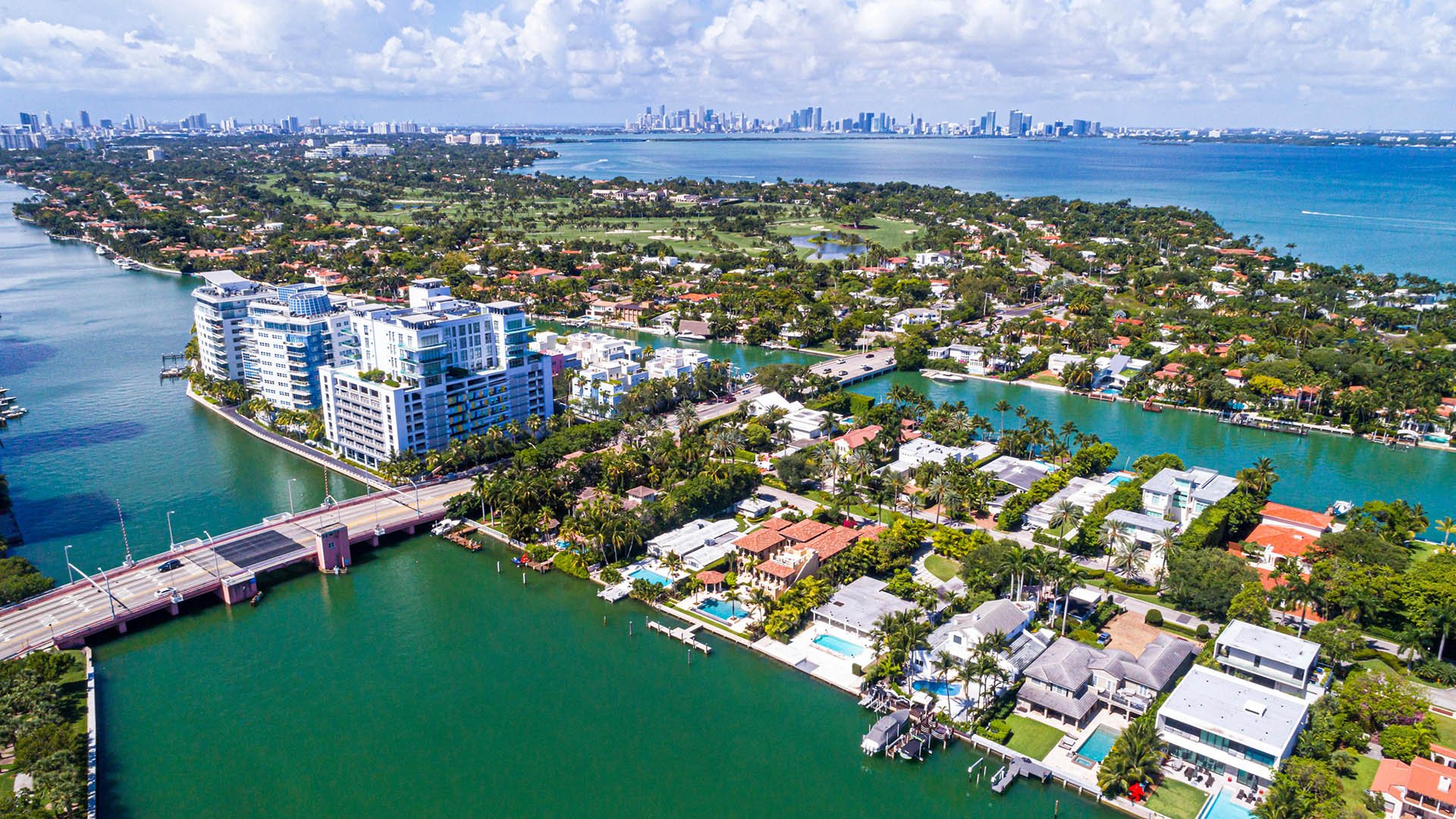
South Florida buyers often begin with a beautifully simple question: beach or city? One path leads to sunrise terraces, sand underfoot and a quieter rhythm shaped by water. The other points to dining rooms, private clubs, offices, galleries, valet lobbies and the daily voltage of a vertical neighborhood. Yet for many luxury purchasers, especially second-home buyers, the more consequential question is not aesthetic. It is operational: what can the owner actually do with the residence when they are not using it?
Short-term-rental diligence now belongs at the center of the purchase conversation. It affects carrying-cost assumptions, family usage, guest access, privacy expectations and exit strategy. A residence that feels ideal for long weekends may not support the same ownership plan if rental frequency, minimum-stay periods, guest registration, building approvals or local permissions are more restrictive than expected. Conversely, a buyer who values privacy may prefer a building where transient use is limited and the residential character is carefully protected.
For MILLION readers, the objective is not to chase the most permissive address. It is to align the legal, building and lifestyle framework with the way the property will actually be lived in.
Beach markets carry an emotional premium. Buyers are paying for arrival, view, air, light, service and the sensory distance from ordinary life. In Miami Beach, that can mean comparing a serene oceanfront residence such as The Perigon Miami Beach with the highly curated hospitality aura of Shore Club Private Collections Miami Beach. The decision is partly architectural, partly social and partly regulatory.
A beach buyer should not assume that demand from visiting guests translates into usable rental flexibility. Coastal neighborhoods may have layered rules, and luxury condominium associations often maintain their own standards for leases, approvals, building access, amenity use and guest conduct. Those private rules can matter as much as public law. They determine whether a residence functions as a private club, a seasonal second home or an asset designed for frequent turnover.
This distinction is especially important for buyers who plan to occupy during holidays and monetize shoulder periods. The practical question is not simply whether rental activity is possible. It is whether the rules support the owner’s preferred calendar, level of discretion and service expectations without compromising the quiet enjoyment of the building.
Urban buyers sometimes assume that denser neighborhoods offer more adaptable rental conditions. That assumption deserves careful testing. Brickell, Downtown Miami and other city districts can feel naturally suited to visiting executives, international families and short-stay residents. Still, the permission structure can turn on a combination of local rules, declaration language, association policy and building operations.
A buyer evaluating The Residences at 1428 Brickell or St. Regis® Residences Brickell should ask the same questions as an oceanfront buyer, only through a different lifestyle lens. How are guests registered? Are leases subject to approval? Are there minimum terms? Are amenities available to tenants, or only to owners and approved long-term occupants? How does the building balance privacy with a dynamic urban location?
The city lifestyle may support a more frequent in-and-out ownership pattern, but luxury buildings are rarely indifferent to who is moving through the lobby. The more elevated the service model, the more important it becomes to understand how rental use interacts with security, staff protocols, package handling, valet operations and amenity reservations.
The first layer is the public framework. Municipal and county rules can affect whether short stays are permitted, licensed, registered or otherwise conditioned. These rules can vary by location and property type, so the buyer should review the actual address rather than rely on neighborhood reputation.
The second layer is the condominium or homeowners’ association. Declarations, bylaws, rules and frequently updated board policies may define minimum lease periods, application procedures, deposits, tenant screening, move-in rules, guest passes and penalties. A building can be more restrictive than the surrounding jurisdiction, and those private restrictions can be decisive.
The third layer is the owner’s personal plan. A residence used by family for winter holidays, friends for long weekends and tenants during selected gaps requires a different review than a pure primary home or long-term hold. Investment analysis should include not only projected income, but also management friction, cleaning access, insurance questions, wear on interiors, tax considerations and the owner’s tolerance for administrative oversight.
This is why rental review should happen before signing, not during the calm after closing. By then, leverage is reduced and assumptions have already been priced into the buyer’s decision.
The written rules are only the beginning. Luxury real estate is also shaped by building culture. Some buildings feel residential and reserved, with long-tenured owners and a strong preference for familiar faces. Others are designed around a more fluid pattern of seasonal occupancy. Neither is inherently superior. The right answer depends on the buyer.
For an owner who wants a polished second home with occasional family use, restrictions may be a feature. They can help preserve quiet elevators, predictable amenities and a stronger sense of neighborhood within the building. For a buyer with a more active revenue plan, the same restrictions may create conflict with the intended use.
In Fort Lauderdale, for example, a purchaser studying Four Seasons Hotel & Private Residences Fort Lauderdale should separate the appeal of a service-rich coastal lifestyle from the specific ownership permissions of the residence being considered. Service, brand, view and rental use are related in the buyer’s mind, but they are not the same due-diligence category.
The strongest buyers ask direct questions early. What is the minimum lease term? How many leases are permitted per year? Are online listings allowed, limited or prohibited? Does the association require tenant approval? Are there waiting periods, fees, deposits or background checks? Can guests use the pool, spa, beach service, gym, club rooms and valet? What happens if an owner violates the rules?
The answers should be reviewed with counsel and compared against the buyer’s intended use. They should also be considered alongside financing, insurance, furnishings and management. A beautifully designed residence can become a poor fit if the ownership plan depends on flexibility the rules do not provide.
For buyers, the more sophisticated advice is also the simplest: do not treat rental permissions as a footnote. In South Florida, lifestyle and investment often meet inside one condominium document.
The beach-versus-city decision is seductive because it feels personal. It is about morning swims or evening reservations, privacy or immediacy, horizon or skyline. But the best luxury purchase also respects the mechanics beneath the dream. Short-term rental restrictions can change the practical meaning of ownership, especially for buyers who divide time among multiple homes.
A disciplined buyer does not need to become a regulatory expert. The buyer needs a clear brief, the right questions and a team willing to test assumptions before contract deadlines pass. When the property, the rules and the lifestyle plan align, South Florida ownership becomes what it should be: elegant, flexible where intended and free of avoidable surprises.
Should a buyer assume a luxury condo allows short-term rentals? No. Permission depends on the property address, governing documents and building rules.
Are beach properties usually more restrictive than city properties? Not always. The correct analysis must be done property by property and building by building.
Can a condo association restrict rentals even if the area permits them? Yes. Association documents and rules may impose separate limits on leasing and guest use.
When should rental restrictions be reviewed? They should be reviewed before signing or during the earliest contract review period available.
Do short-term rental rules matter for buyers who do not plan to rent? Yes. They can affect privacy, building culture, resale audience and future flexibility.
What documents should be examined? Buyers should review declarations, bylaws, house rules, lease policies and any current association guidance.
Should rental income be included in purchase assumptions? Only after confirming that the intended rental pattern is permitted and practically manageable.
Can rules change after purchase? Rules may evolve, so buyers should understand amendment procedures and ongoing association governance.
Is Brickell automatically better for rental flexibility? No. Brickell offers an urban lifestyle, but each building has its own ownership framework.
What is the best way to shortlist comparable options for touring? Start with location fit, delivery status, and daily lifestyle priorities, then compare stacks and elevations to validate views and privacy.
To compare the best-fit options with clarity, connect with MILLION.
If branded residences are on your mind — as a home or as an allocation — we would be glad to share what we are seeing, privately.
Begin a quiet conversation