South Florida luxury buyers are increasingly evaluating how short-term visitor exposure affects privacy, daily operations, resale confidence and the residential tone of a building before they commit.
South Florida buyers have always evaluated view, light, architecture, amenity depth and neighborhood prestige. For 2026, a quieter filter is moving closer to the front of the conversation: short-term visitor exposure. The question is no longer simply whether a residence can be rented. It is how often unfamiliar guests move through the lobby, how a building manages arrivals, and whether the tone feels residential or transient on an ordinary Tuesday evening.
This matters because ultra-premium buyers are not only purchasing square footage. They are purchasing control: over privacy, sound, elevator experience, staff familiarity, valet rhythm, pool atmosphere and the social texture of the address. In South Florida, where second-home use, seasonal occupancy and global travel patterns overlap, the difference between hospitality energy and residential calm can be decisive.
The most sophisticated clients are not treating this as an emotional preference. They are treating it as due diligence. Before a contract is signed, they want to understand rental rules, guest registration, minimum stay requirements, board culture and how building operations preserve the dignity of ownership.
The modern luxury buyer is unusually fluent in operations. Many have owned in multiple markets. They understand that the same pool deck can feel private in one building and anonymous in another. They recognize that a front desk can be polished and still become strained if visitor flow is not carefully governed.
Short-term rental exposure, when present, can affect daily life in subtle ways. More luggage in elevators. More questions at the concierge desk. More unfamiliar faces in amenity spaces. More pressure on housekeeping, valet and security protocols. None of these factors automatically diminishes a property, but they do change the feel of ownership.
For primary residents, the issue is usually privacy and predictability. For seasonal owners, it is often trust: will the building feel composed when they return after months away? For investment-minded buyers, the question becomes more layered. A flexible rental framework may be attractive, but it must be weighed against long-term building identity, buyer depth and resale expectations.
That is why exposure is becoming a filter rather than a footnote. It helps buyers distinguish buildings designed primarily for residence from those that may feel more fluid, commercial or hotel-like in practice.
Brickell is one of South Florida's most useful laboratories for this conversation because its appeal is inherently urban. Buyers come for the skyline, dining, offices, water views and lock-and-leave convenience. Yet even in a high-energy district, the strongest luxury buyers are asking how buildings create separation from the street.
A buyer considering The Residences at 1428 Brickell is typically not just comparing architecture or views. The conversation often turns to arrival sequence, private access, resident-only atmosphere and the ability of the building to feel composed within an active downtown environment. The same dynamic applies across the Brickell luxury tier: the address must offer proximity without surrendering discretion.
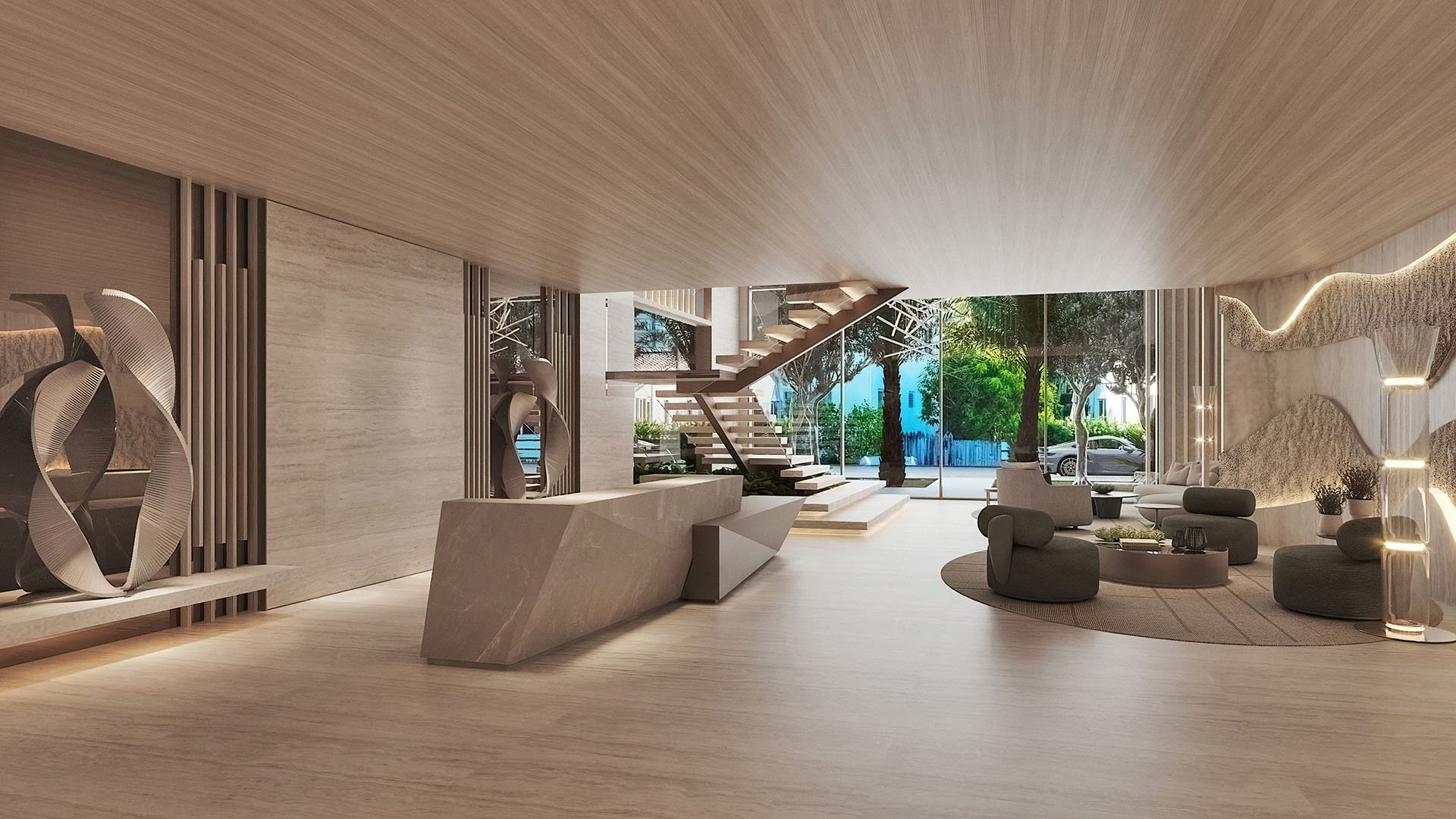
This is where visitor exposure becomes especially important. In a dense urban market, the lobby is not merely decorative. It is the first layer of privacy. Elevators, amenity reservations, package areas and valet operations all become part of the ownership experience. A building can be vibrant and still feel controlled, but that balance must be intentional.
Miami Beach has a different version of the same question. Here, lifestyle demand is intense, and visitor appeal is obvious. The buyer who loves the beach, restaurants, cultural calendar and resort atmosphere may still want home to feel protected from that energy.
That is why buildings with a clearly residential sensibility hold special appeal. A buyer looking at The Perigon Miami Beach may be drawn to coastal living that does not feel casual or improvised. The decision is less about rejecting the social life of Miami Beach and more about choosing when to participate in it.
In this context, short-term visitor exposure is really a question of boundaries. Can residents enjoy a destination neighborhood while maintaining a private residential rhythm? Are amenities scaled and managed for owners rather than constant outside turnover? Does the building culture support recognition, continuity and quiet confidence?
For many luxury buyers, those answers now carry as much weight as finishes. Marble can be upgraded. The personality of a building is harder to change.
Sunny Isles buyers often think in terms of vertical exclusivity, views and full-service ease. The question is how a tower preserves serenity when demand for waterfront living remains broad. At Bentley Residences Sunny Isles, buyers may approach the decision through the lens of privacy, brand alignment and the choreography of daily arrival. The more elevated the price point, the less tolerance there is for ambiguity in the guest experience.
Bay Harbor Islands offers another expression of the same filter. It is quieter, more intimate and often attractive to buyers who want proximity to Miami Beach and Bal Harbour without the same level of exposure. In a boutique setting such as The Well Bay Harbor Islands, the appeal may lie in a softer residential cadence, where scale itself can help shape discretion.
Neither model is universally superior. A taller coastal tower, an urban Brickell residence and a boutique Bay Harbor address each serve a different buyer psychology. The important point is that exposure must match intended use. A second-home owner may accept a different level of activity than a full-time resident with children, staff, pets and daily routines.
The most useful questions are practical. What are the minimum lease terms? How are guests registered? Are amenities limited to residents and approved guests? How does the building handle move-ins, deliveries and high-season arrivals? How often do rules change, and how engaged is the board or management team?
Buyers should also pay attention to the sensory experience during a tour. A calm lobby, staff who recognize residents, orderly valet flow and well-managed elevators can signal a building culture that protects ownership. Conversely, a beautiful amenity deck that feels difficult to monitor may require closer review.
The goal is not to avoid all visitors. South Florida is a social, international market, and a healthy building will always welcome family, friends and legitimate guests. The goal is to understand whether visitor exposure is occasional, structured and well-managed, or frequent enough to alter the residential character.
For 2026, that distinction is becoming part of value itself. Buyers are recognizing that privacy is not only created by gates, elevators or floor height. It is created by policy, culture and consistency.
Why is short-term visitor exposure becoming more important to buyers? Buyers are prioritizing privacy, predictability and building atmosphere. Visitor turnover can influence how residential a property feels day to day.
Does short-term rental activity always hurt luxury value? Not necessarily. The impact depends on rules, enforcement, building culture and whether the exposure fits the buyer's intended use.
What should a primary resident review first? Primary residents should focus on minimum lease terms, guest access, amenity controls, elevator flow and security procedures.
Is this only a condominium issue? No. The same thinking can apply to branded residences, waterfront towers, boutique buildings and managed communities.
Why does Brickell require special attention? Brickell combines residential demand with intense urban energy, so access control and lobby management become especially important.
How should Miami Beach buyers think about this filter? They should decide how much resort energy they want near home, then evaluate whether the building preserves residential calm.
Can a second-home buyer tolerate more visitor exposure? Sometimes. A buyer using a residence seasonally may weigh flexibility differently than someone living in the building full time.
What signals a well-managed residential environment? Consistent staff, orderly arrivals, clear guest protocols and calm amenity spaces are all positive signals.
Should buyers rely only on written rental rules? No. Written rules matter, but buyers should also observe the building's daily rhythm and ask how policies are enforced.
Is visitor exposure now part of resale thinking? Yes. Buyers increasingly view privacy, control and residential identity as factors that can influence future demand.
For a confidential assessment and a building-by-building shortlist, connect with MILLION.
If branded residences are on your mind — as a home or as an allocation — we would be glad to share what we are seeing, privately.
Begin a quiet conversation