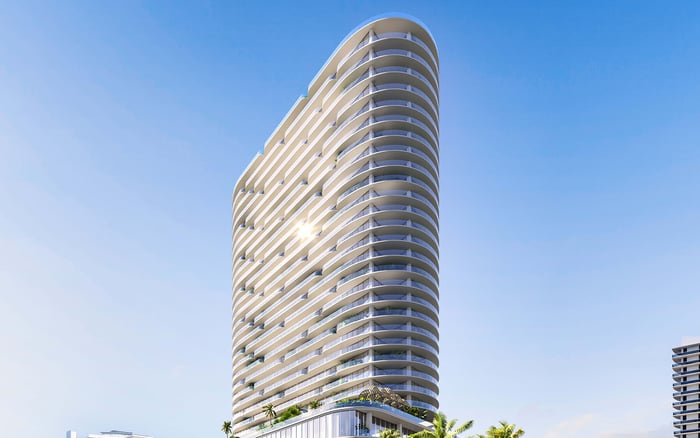
For Tokyo buyers, North Bay Village insurance due diligence extends beyond the HO-6 premium. The decisive considerations include the association’s storm deductibles, the unit policy’s retained exposure, loss-assessment protection, and contingency planning for delayed occupancy during hurricane season.
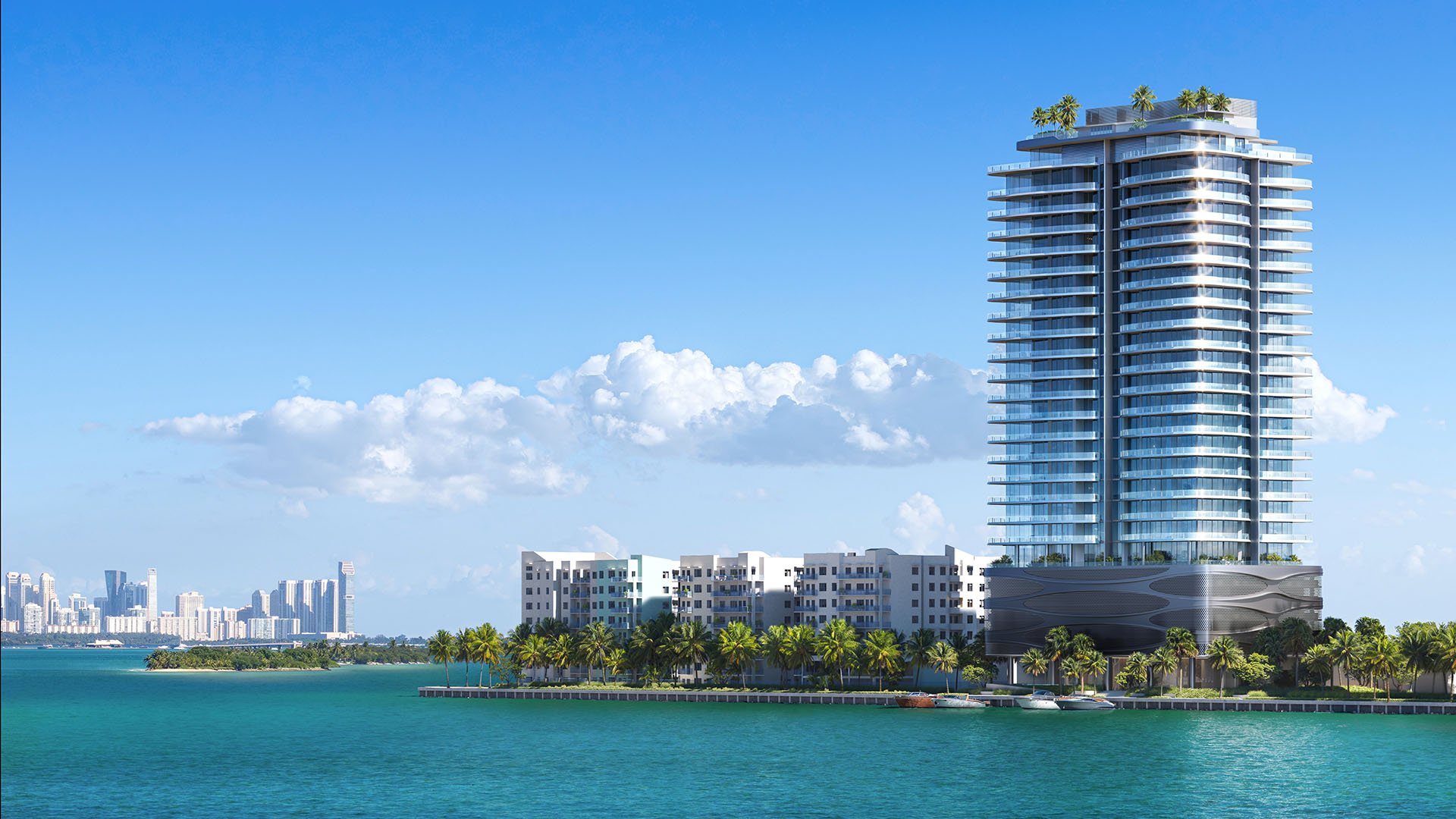
For a Tokyo buyer considering North Bay Village, an insurance quote can appear reassuringly simple: a premium, several coverage limits, and a set of deductibles. Yet the premium alone does not reveal the buyer’s full storm exposure. A more useful analysis places the condominium association’s master policy beside the proposed unit-owner policy and translates each deductible into a practical out-of-pocket scenario.
That discipline applies whether the residence is intended as a second home, a future rental, or a longer-term South Florida base. A buyer reviewing Continuum Club & Residences North Bay Village should request the relevant association insurance documents and evaluate them with the proposed unit coverage. Project selection and insurance analysis belong in the same pre-closing conversation, without assuming that one policy automatically fills every gap left by the other.
The meaningful comparison is not premium against premium, but total retained risk against total retained risk.
The master-policy declarations can identify the insured property, coverage limits, deductible structure, and event triggers. A percentage deductible should be converted into a dollar amount using the applicable insured value so the buyer can understand the association’s retained exposure before coverage responds.
That retained amount may affect association reserves, financing decisions, or owner assessments, depending on the governing documents and circumstances. A Tokyo buyer should therefore request more than confirmation that insurance exists. The review should identify the stated hurricane, named-storm, wind, hail, and other applicable deductibles, together with the coverage amount used for each calculation.
This is especially relevant when comparing Shoma Bay North Bay Village with other waterfront options. The useful questions are how much risk remains below the policy threshold, how the condominium documents address that exposure, and what portion could potentially reach an owner.
A policy may use different deductibles or triggers for hurricanes and other wind events. Each definition should be read independently rather than inferred from the wording of another section. The insurance adviser should explain which provision applies to each modeled event and identify any uncertainty before the buyer relies on the quote.
Percentage deductibles also need context. The relevant figure is not simply the percentage shown on the declarations page, but the resulting dollar obligation under the stated coverage limit. The buyer should ask the adviser to document the calculation and clarify whether the deductible is applied by event, by policy period, or under another stated basis.
Quotes should be normalized to the same assumptions for improvements, contents, loss of use, loss assessment, occupancy, and deductibles. Otherwise, a lower premium may reflect different protection rather than better value. A side-by-side schedule makes those differences visible and gives the buyer’s insurance, legal, and real estate advisers a common reference point.
The association’s retained exposure and the owner’s potential assessment exposure are related but not identical. The buyer should first calculate the applicable master-policy deductible in dollars, then review how the condominium documents permit costs to be allocated. This avoids treating the building-level figure as though it were automatically the owner’s final obligation.
Loss-assessment coverage also requires careful reading. Buyers should confirm the selected limit, deductible, covered causes, exclusions, and relationship to the unit policy. A verbal statement that assessment protection is included is less useful than written confirmation showing when the coverage responds and when it does not.
Intended occupancy must be represented accurately as well. A buyer considering Tula Residences North Bay Village for rental use should request coverage based on that intended use rather than relying on assumptions designed for personal occupancy. The same principle applies to a second home that may remain vacant for extended periods while its owner is in Tokyo.
A hurricane-season closing benefits from two parallel plans. The first confirms that the correct coverage can be bound on the required timeline. The second establishes what the buyer will do if move-in is delayed or the residence becomes temporarily unavailable after a covered event.
The buyer should ask how the proposed unit policy treats temporary accommodation and additional living expenses. The review should focus on the applicable limit, covered circumstances, duration, documentation requirements, and any restrictions affecting a second home or rental property. Association coverage should not be treated as a substitute without written confirmation that the relevant expense is covered.
For a Tokyo household coordinating international travel, furnishings, deliveries, and local access, continuity matters as much as reimbursement. A flexible accommodation option, a local contact authorized to receive documents, and a sequenced move-in plan can reduce avoidable pressure. These arrangements do not change the insurance contract, but they can make a disruption easier to manage.
A pre-construction purchase calls for the same discipline as completion approaches. If the buyer is comparing nearby inventory such as La Maré Bay Harbor Islands, each property should be assessed using its own current documents, deductible structure, and occupancy assumptions rather than conclusions drawn from another condominium.
Insurance review should remain connected to the financing and closing timeline. A lender may request particular association and unit-policy documents, while a cash buyer may choose to conduct a similarly detailed review to understand retained risk. Requirements should be confirmed directly with the relevant lender, insurer, and advisers rather than assumed from another transaction.
Before closing, the buyer’s team should create one schedule placing the master-policy limits and deductibles beside the proposed unit-policy protection for improvements, contents, loss of use, and loss assessment. It should also record the intended occupancy, unresolved questions, responsible adviser, and deadline for each answer.
The final choice should reflect retained risk, intended use, document quality, and the resilience of the move-in plan. A polished quote is useful, but a coordinated review gives a Tokyo buyer greater clarity when preparing for ownership in North Bay Village.
For discreet guidance on South Florida property selection and due diligence, connect with MILLION.
If branded residences are on your mind — as a home or as an allocation — we would be glad to share what we are seeing, privately.
Begin a quiet conversationThe premium does not show the association’s retained exposure or the owner’s possible assessment risk. Quotes should be compared using matching coverage and occupancy assumptions.
The buyer should request the current master-policy declarations and any related documents needed to understand limits, deductibles, and event triggers.
The dollar calculation makes the association’s retained exposure easier to evaluate and compare.
No. A policy may define separate deductibles or triggers, so each provision should be reviewed independently.
Compare them using consistent assumptions for improvements, contents, loss of use, loss assessment, occupancy, and deductibles.
Buyers should not assume that it does. The policy’s covered causes, limits, deductibles, and exclusions require written review.
Coverage assumptions may differ for a primary residence, second home, or rental property. The application and quote should reflect the buyer’s actual intended use.
The buyer should coordinate coverage timing, flexible accommodation, local access, document handling, and contingency arrangements.
No. The buyer should obtain written confirmation of how the proposed unit policy and association coverage treat temporary accommodation expenses.
The buyer should coordinate document requests and deadlines with the insurer, lender, legal adviser, and real estate team before closing.