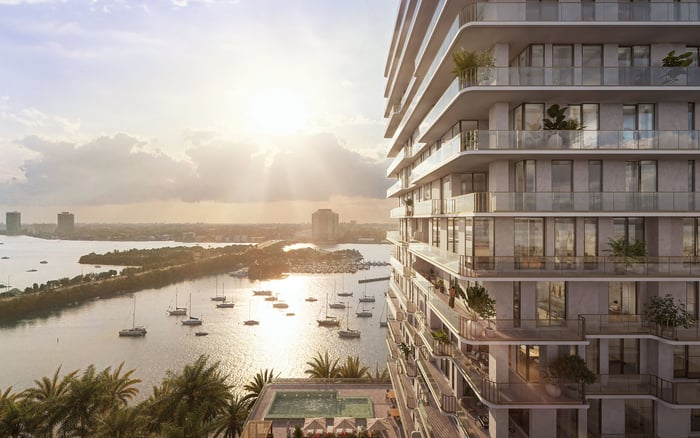
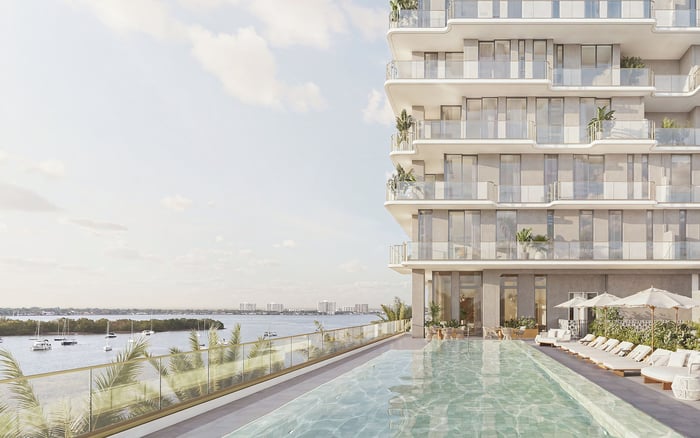
In North Bay Village, resilience diligence should begin before contract assumptions harden. Buyers should align flood elevations, barrier design, critical equipment, backup power, and post-storm access in one technically documented review.
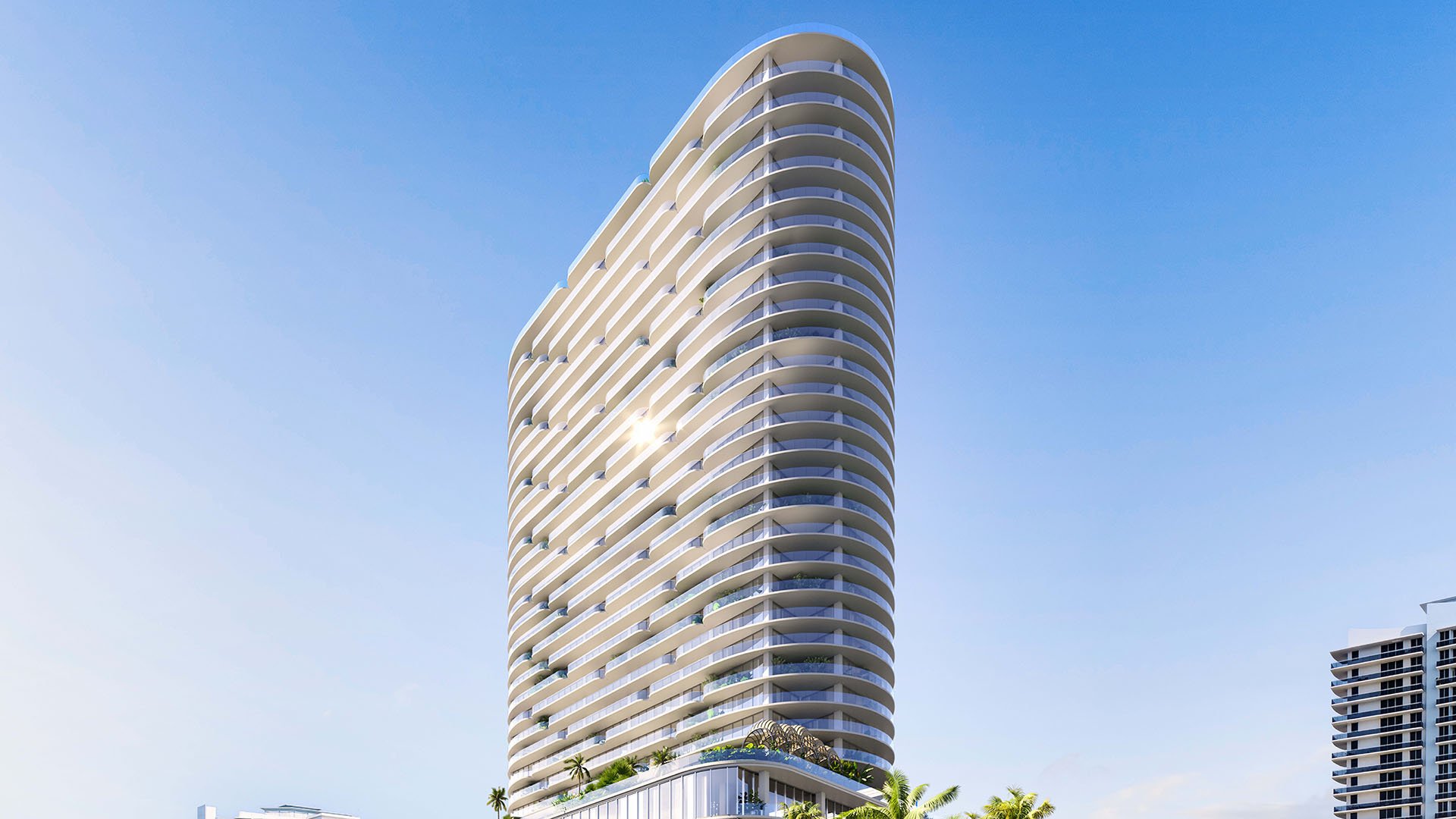
In North Bay Village, the most consequential luxury may be continuity. A sophisticated residence can deliver architecture, privacy, and expansive water views, yet its long-term performance also depends on less visible systems: the elevation of electrical rooms, the reach of backup power, the integrity of garage protection, and the sequence that allows residents to return after a storm.
These questions deserve attention before deposit milestones or closing. Flood documents, equipment schedules, insurance terms, and operating procedures should be reviewed together rather than treated as separate files. Historical or generalized assumptions are not substitutes for current property documents.
The strongest purchase review treats resilience as an integrated operating system.
Before closing, request the available flood determination, elevation certificate, applicable design elevations, required freeboard, and the datum used for every measurement. Then compare those materials with as-built or current project documents for the garage, electrical rooms, HVAC equipment, domestic-water pumps, fire systems, elevators, communications infrastructure, and generator.
The datum matters because elevation figures using different reference systems should not be compared without professional interpretation. Buyers should ask a qualified adviser to reconcile the measurements and clarify how the residence, common elements, and personal contents are addressed by applicable insurance.
The goal is not simply to identify the finished-floor elevation. It is to understand whether the systems needed for access, water, cooling, communications, and life safety are positioned and protected in a manner consistent with the property's plans.
Waterfront protection is only as persuasive as its weakest transition. A deployable barrier at a garage entry may be one component, but buyers should also understand how the protection line addresses seawalls, loading areas, pedestrian openings, service corridors, and adjoining conditions. Request available design elevations, engineering documents, permits, deployment instructions, and maintenance records.
Responsibility is equally important. The review should identify who installs each component, where it is stored, how deployment is organized, and whether trained personnel are expected on site before access becomes restricted. Testing and maintenance records can help establish whether seals, tracks, anchors, and removable components are managed as an operating system rather than presented as a static feature.
This framework is relevant when assessing residences such as Continuum Club & Residences North Bay Village and Shoma Bay North Bay Village. Project-specific resilience representations should be reconciled with current technical and transaction documents.
Mechanical elevation deserves more attention than the residence's floor height alone. Even when living areas are elevated, lower-level equipment may determine whether elevators operate, water reaches residences, cooling resumes, and access systems function.
A buyer's review should distinguish spaces designed to tolerate interruption from systems expected to preserve habitability. Parking, storage, loading, and service areas may have different protection strategies from electrical, pumping, communications, and life-safety equipment.
Ask for plans or schedules identifying the location and protection of essential equipment. Any discrepancy among marketing materials, design documents, as-built records, and operating procedures should be resolved by qualified professionals before the buyer relies on a resilience claim.
A generator's presence does not reveal its practical coverage. Request its rated capacity, location, protected elevation, fuel type, fuel-storage arrangement, expected operating plan, and testing history. Most importantly, obtain a clear schedule of connected loads.
Life-safety coverage may differ substantially from broader operational continuity. Buyers should determine whether backup power serves only emergency systems or also elevators, domestic-water pumps, garage ventilation, access control, communications, selected cooling, or residential circuits. The review should also address fuel management and identify the party responsible for testing and maintenance.
For opportunities such as Tula Residences North Bay Village, specifications should be reconciled with executed purchase documents and current plans. Marketing language should not replace a load schedule, equipment plan, or operating protocol.
Storm re-entry is not merely the moment an evacuation restriction ends. A building may require structural, electrical, fire-safety, elevator, or garage reviews before management permits normal occupancy. Residents should ask who conducts those assessments, what conditions may delay reopening, and how status updates are communicated.
The protocol should address staff access, generator support, water service, elevator restart, garage clearance, and communications. It should also explain whether residents may access their units before full service restoration and how management handles a partial restart of building systems.
Written procedures matter because re-entry depends on property-specific conditions and management decisions. Buyers should review the current plan, understand who has authority to act, and confirm how residents receive instructions when normal channels are disrupted.
Public infrastructure and private-building resilience serve different roles. Improvements to roads, drainage, seawalls, or other shared systems may strengthen the broader setting, but they do not replace diligence on a building's elevations, barriers, equipment, insurance, and management practices.
Investment judgment should therefore remain asset specific. The same disciplined framework can inform comparisons with other waterfront residences across South Florida, but each conclusion should rest on the documents, systems, and procedures applicable to the property under consideration.
The strongest buyer guidance ultimately resolves into documents. Before deposit milestones or closing, assemble available elevation records, barrier plans, equipment schedules, generator loads, testing logs, insurance terms, and re-entry procedures. Ask qualified legal, engineering, insurance, and property-management professionals to reconcile inconsistencies and explain current requirements.
Resilience is not a single amenity. It is the coordination of site defenses, protected systems, backup power, insurance, and trained operations. Reviewing those layers early can help a buyer evaluate a North Bay Village purchase with greater clarity.
For private guidance on South Florida's most considered residences, connect with MILLION.
If branded residences are on your mind — as a home or as an allocation — we would be glad to share what we are seeing, privately.
Begin a quiet conversationBarrier design, equipment protection, insurance, and recovery procedures can affect ownership decisions. Early review provides time to reconcile documents before closing.
Request available flood determinations, elevation certificates, design elevations, freeboard requirements, and records identifying the measurement datum.
Measurements using different reference systems should not be compared without proper interpretation. A qualified professional can reconcile the figures.
Review electrical rooms, HVAC equipment, water pumps, fire systems, elevators, communications infrastructure, and generators.
Request available engineering documents, permits, design elevations, deployment instructions, and maintenance records. Confirm how the protection line addresses all relevant openings and transitions.
Property documents and operating plans should identify the responsible party. Buyers should also confirm storage, training, testing, and deployment procedures.
It should identify capacity, location, fuel arrangements, testing history, operating responsibilities, and connected loads.
Not necessarily. Coverage depends on the connected-load schedule, so each building system should be verified individually.
Building assessments, utility status, staffing, access conditions, and system restarts may affect timing. The property's written procedures should explain the process.
No. Buyers should separately assess the property's barriers, equipment, elevations, insurance, and operating procedures.