For trust and entity buyers in North Bay Village, reserve diligence should distinguish cash from credit, verify assessment approvals, and translate association obligations into a realistic ownership budget.

For a North Bay Village condominium buyer taking title through a trust or entity, financial clarity deserves the same attention as the residence itself. Monthly dues are only the starting point. The more revealing question is how the association plans to pay for required work-and when that plan will require cash from the owner.
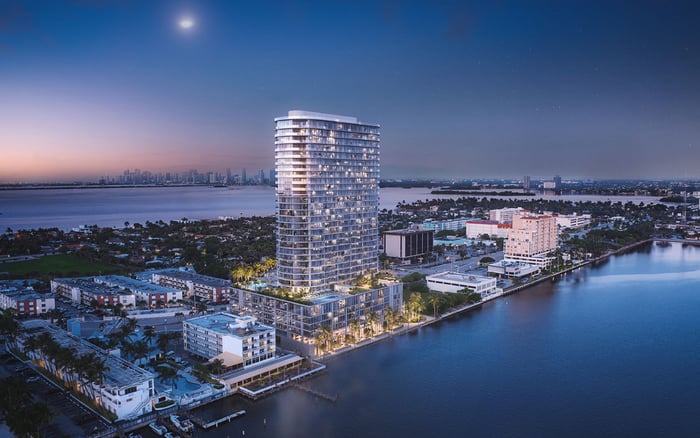
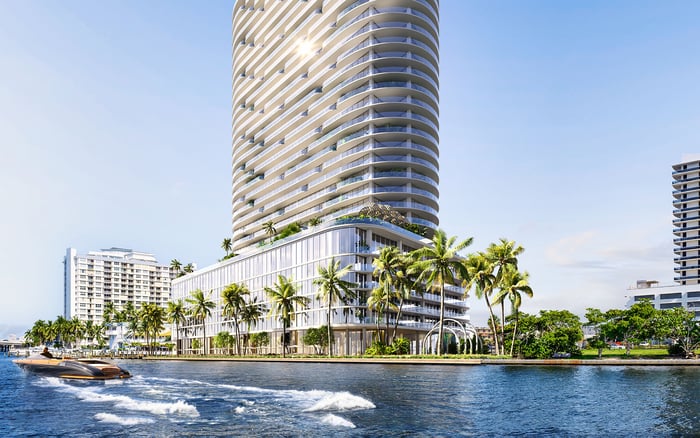
Whether the search includes Continuum Club & Residences North Bay Village or another North Bay Village residence, apply the same discipline: distinguish cash already held from expected collections, available credit, and debt already incurred. These project references provide comparison contexts, not statements about any particular association’s reserves or borrowing.
For a trustee or entity manager, translate those distinctions into a payment calendar. The purchase budget should accommodate predictable carrying costs as well as obligations that may fall due before the next planned transfer of funds.
Florida’s 2025 condominium statute allows reserves for structural integrity reserve study items to be funded through regular assessments, special assessments, lines of credit, or loans. The practical question is not simply whether reserves are described as funded, but which mechanism supports that description.
Regular assessments:
Identify the reserve contribution within recurring dues. North Bay Village condominium dues typically also cover master insurance, common-area maintenance, shared utilities, management, and amenity upkeep. Request a breakdown rather than treating the entire payment as reserve savings.
Special assessments:
Request the approved amount, purpose, installment schedule, and unit-level allocation. Distinguish an adopted obligation from a proposal still under discussion.
Lines of credit:
Separate the facility’s stated capacity from its undrawn amount and outstanding balance. Review access conditions, interest terms, and maturity. Borrowing capacity is not cash in the bank.
Loans:
Review the repayment schedule and how debt service is passed through to owners. Association repair financing can be repaid through increased regular assessments or dedicated debt-repayment assessments over multiple years. Financing changes the timing of the owner’s expense; it does not eliminate it.
A covered special assessment, line of credit, or loan requires approval by a majority of the association’s total voting interests. That is not the same as a majority of those attending a meeting. Ask counsel to review the approval records and voting calculation.
A qualifying unit-owner-controlled association may obtain reserve financing sufficient to cover previously waived or unfunded reserves plus the amount required by its latest structural integrity reserve study. Funds obtained through that financing must be immediately available to the board for required repairs, maintenance, or replacement without further member approval.
Covered special assessments, credit lines, and loans must also be disclosed in the annual financial statement provided to owners and prospective purchasers. Reconcile that disclosure with executed financing documents and subsequent approvals. A statement covering an earlier financial period should not end the inquiry into later commitments.
Start with the latest budget, annual financial statement, structural integrity reserve study, milestone-inspection information, and 12-24 months of board and member meeting minutes. Add assessment resolutions, voting records, financing agreements, current balances, and unit-level payment schedules.
For a residence under consideration at Shoma Bay North Bay Village, ask which documents apply to the transaction and what period they cover. A projected budget is not a substitute for evidence of collections, balances, or executed borrowing commitments.
Read the documents together. Compare funding with building age, waterfront exposure, structural studies, and known capital projects. Review litigation, insurance deductible changes, and deferred maintenance for potential assessment pressure. Meeting minutes can identify contemplated work or borrowing that warrants follow-up before commitment.
Keep inspection diligence distinct from reserve diligence. Milestone inspections and structural integrity reserve studies are not interchangeable requirements. Have counsel confirm the applicable obligations and timing rather than relying on a single age-and-height shortcut.
Avoid the shorthand question, “Is the building 100% funded?” Instead, ask whether the adopted plan matches the latest study’s requirements and timelines. That comparison does not assume every future replacement cost must already be held in cash.
Build a schedule with four distinct categories: reserve cash held, future assessment collections, undrawn available credit, and outstanding loan principal. Align expected funding availability with anticipated repair and replacement payments. Do not count a credit facility’s full limit as both cash and unused borrowing capacity.
For buyers comparing Tula Residences North Bay Village with other options, this framework keeps the focus on documentary evidence rather than the apparent reassurance of a monthly payment figure. Request explanations wherever project timing and funding availability do not align.
Stress-test two scenarios: an immediate special assessment and a sustained increase in recurring payments to service association debt. Consider their combined effect rather than assuming only one can occur. Review interest terms, maturity dates, and loan covenants for obligations that warrant additional liquidity planning.
For the purchasing trust or entity, confirm who can authorize payments and how cash will reach the ownership vehicle. Ask counsel to review signing authority and any internal approvals needed to meet the anticipated schedule. These are planning questions, not grounds to assume every ownership structure operates alike.
Ask the buyer’s lender whether the building’s reserve and inspection status affects financing eligibility or terms. In parallel, have the purchase contract address approved assessments, installments due after closing, and disclosure of contemplated borrowing. Seller responsibility is a matter for attorney review and negotiation, not an automatic outcome.
North Bay Village’s Condominium Special Assessment Program offers qualifying owners zero-interest loans up to $25,000 for eligible building-repair and safety-upgrade assessments tied to applicable building-integrity recertification requirements.
Qualifications include primary-residence occupancy, homestead status, and household income limits of up to 140% of area median income. Assistance is repayable through monthly payments-not a grant-and is limited to one award per eligible owner.
A second-home or investment purchase should therefore not be underwritten on presumed access to assistance. Nor should a trust or LLC be treated as automatically excluded solely because of its ownership form. Confirm eligibility with the city for the specific ownership and occupancy arrangement before including assistance in a liquidity plan.
The final purchase decision should connect three elements: required work, an authorized funding plan, and an ownership vehicle able to meet the resulting payment schedule. If any remain unclear, request clarification before committing.
For a discreet conversation about North Bay Village ownership and your residential search, connect with MILLION.
If branded residences are on your mind — as a home or as an allocation — we would be glad to share what we are seeing, privately.
Begin a quiet conversationFor structural integrity reserve study items, the statute allows regular assessments, special assessments, lines of credit, or loans.
A special assessment, line of credit, or loan under the reserve-funding provision requires a majority of the association’s total voting interests. A majority of meeting attendees is not the same threshold.
No. Separate reserve cash held, future assessment collections, undrawn available credit, and outstanding loan balances when evaluating the funding plan.
Request the latest budget, annual financial statement, reserve study, milestone-inspection information, and 12–24 months of board and member meeting minutes. Add assessment approvals and financing documents where applicable.
Covered special assessments, lines of credit, and loans must be disclosed in the annual financial statement provided to owners and prospective purchasers.
Owners may repay association repair financing through increased regular assessments or dedicated debt-repayment assessments over multiple years. Review the unit-level schedule and financing terms.
Model both an immediate special assessment and sustained debt-service increases, including their combined effect. Confirm payment authority and the availability of cash within the purchasing vehicle.
Do not assume that outcome. Have counsel review and negotiate responsibility for approved assessments and installments due after closing.
It offers qualifying owners zero-interest, repayable loans up to $25,000 for eligible repair and safety assessments. Qualifications include primary-residence occupancy, homestead status, and household income limits of up to 140% of area median income.
Do not assume a blanket exclusion based solely on ownership form. Confirm eligibility with the city for the specific ownership, occupancy, homestead, and income circumstances.